


In 2024/25, we launched Cycle 4, funds totalling £266,000 were sent to 21 organisations in 5 focus countries. This time round, we are piloting funding for up to 2 years with grants capped at £10,000 for informal group grantees and £20,000 for partners annually. 10 grantees also received GBP, 65,000 funds out-of-cycle for interventions including Kenya’s emergency flood response.
We also saw the wide-ranging impact of how the fund supported feminist advocacy for Cycle 3 grantees.
With HVF, Fresh International expanded their feminist advocacy and movement-building across Nepal, reaching marginalised communities. They did this through the 26-episode Justice Junction podcast on legal literacy and gender-based violence (GBV), six feminist workshops in Bagmati and Madhesh Provinces, and digital campaigns including #NotMadeForUs and a technology-facilitated GBV mini-campaign. These collectively reached over 55,000 people.
These efforts encouraged intergenerational dialogue, strengthened activist networks, and led to the formation of two local feminist groups in Madhesh Province. Multilingual advocacy tools and a legal literacy booklet extended the impact of community outreach, while participation in national and international feminist spaces enhanced collaboration, learning, and responsiveness to community needs. By creating platforms for storytelling, dialogue, and collective reflection, Fresh International challenged stigma, amplified marginalised voices, and laid the foundation for sustained legal aid, rights awareness, and a stronger, more cohesive feminist movement in Nepal.

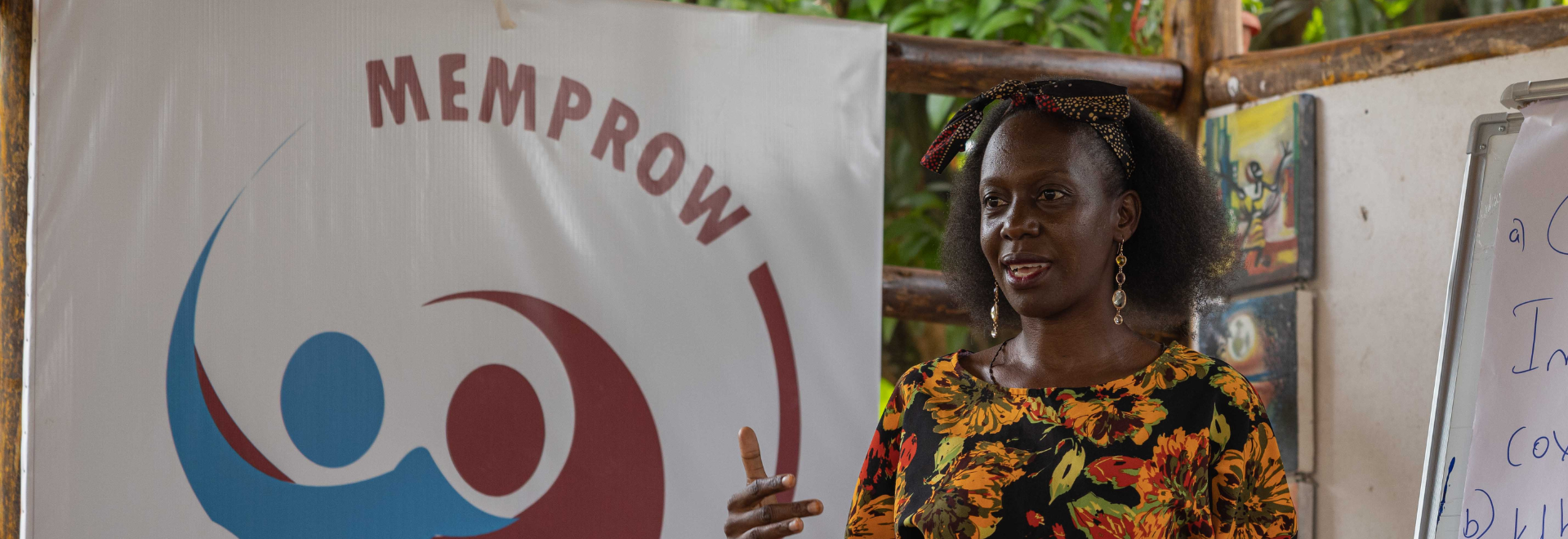
In Uganda, Mentoring and Empowerment Programme for Young Women (MEMPROW) used HVF to advance second-chance education and support the reintegration of child mothers in Pakwach district. Through a combination of community sensitisations, teacher trainings on child safeguarding, advocacy walks, radio campaigns, and targeted engagement, including an inception meeting with 31 district leaders, the project reached over 300 community members and raised awareness of re-entry policies and the District Education Ordinance.
By intentionally involving women-led organisations and feminist groups at every stage, MEMPROW built alliances and solidarity, whilst amplifying their call for girls’ education. They created spaces for young mothers to share their experiences publicly. This worked to challenge stigma, reframe narratives, and strengthen collective advocacy for gender equality.
Efforts to revive and disseminate the district education ordinance contributed to systemic change, embedding gender-responsive policies that other feminist and women’s rights actors can build on. Community barazas, teacher trainings, and engagement with cultural and religious leaders expanded grassroots feminist power, rooting advocacy in local structures that sustain momentum beyond the life of the project.

With their HVF grant, She Decides Zimbabwe cultivated a new generation of young women leaders to advance sexual and reproductive health and rights (SRHR). She Decides strategically engaged with policymakers to influence legislative reform. Through the She Decides Feminist Academy, 20 young women gained comprehensive knowledge and advocacy skills, connecting with national, regional, and Pan-African platforms to enhance collective voice and solidarity. Through Parliamentary engagement, they fostered allyship to support future review of Zimbabwe’s restrictive Termination of Pregnancy Act, while advocacy campaigns such as “I Take A Stand” increased visibility, reduced stigma, and normalised public dialogue on safe abortion and bodily autonomy.
By amplifying the marginalised voices of adolescent girls, sex workers, LGBTQI+ persons, and HIV-impacted communities, the organisation ensured inclusivity and intersectionality within the women’s movement. These efforts not only shifted social and political norms around SRHR but also strengthened Zimbabwean participation in global feminist advocacy, ensuring local experiences inform regional and international policy conversations.

Feminist for Peace, Rights and Justice Centre (FPRJC) in Kenya used their HVF grant to support adolescent girls and young women, strengthen their volunteer capacity, mobilise communities, and amplify women’s voices through media and creative activism. The project trained 20 volunteers, mentored 36 adolescent girls, and provided financial literacy skills to 20 young women, fostering leadership, economic independence, and personal agency. Over 1 million people were reached through podcasts, radio shows, social media campaigns, community dialogues, and creative initiatives like feminist murals. These challenged harmful norms, sparked public reflection, and fostered solidarity. Intergenerational mentorship strengthened continuity within the women’s rights movement, while advocacy for recognition of femicide as a distinct crime advanced legal protections and accountability for survivors.
Through coalition work as co-convenor of WILD FEMINIST and membership in Reproductive Justice Watch, FPRJC amplified local struggles at the national level, building stronger feminist alliances and creating spaces for collective advocacy, story-sharing, and institutional accountability.


