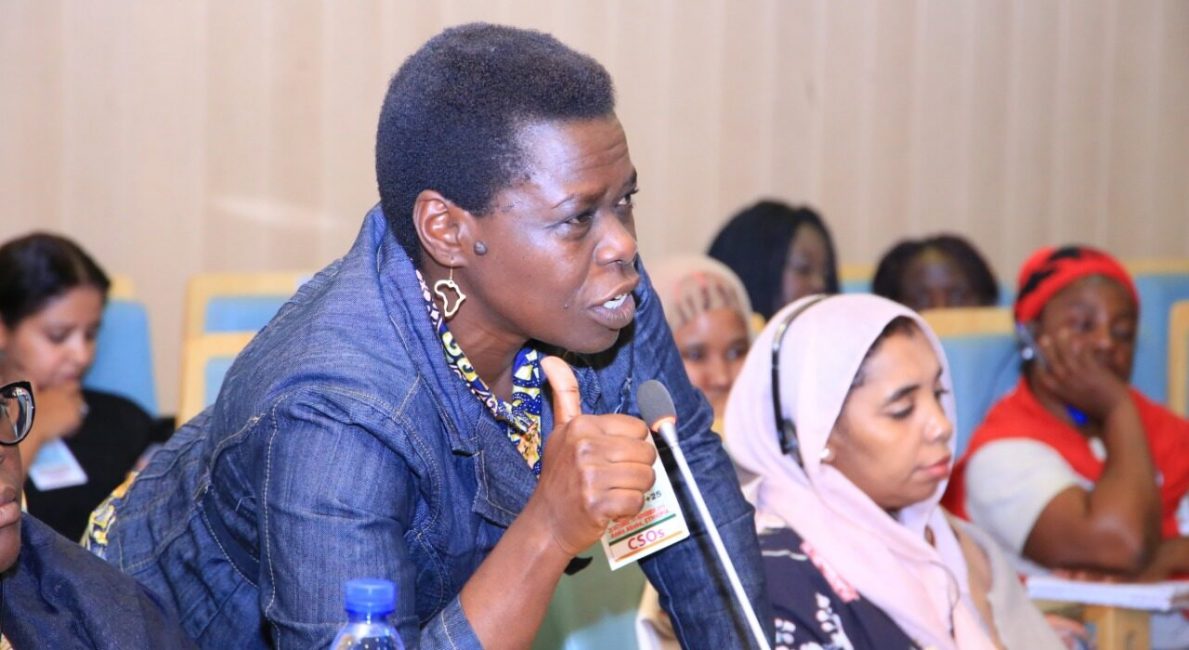


Imagine being unable to decide how your country is run or speak up about issues affecting your local community. This is the reality for many women around the world, who don’t have a say in the decisions that impact their lives.
Currently, only 25% of parliamentarians across the globe are women and women lead fewer than 25 of the world’s 196 countries. When it comes to elections, many women face barriers that make it hard to stand for elections, to be voted for and to vote for the people leading their countries.
Why are women underrepresented?
There are many obstacles that stop women from being involved with decision making at all levels of society. Women who face violence, poverty and discrimination are more likely to be excluded from decision making.
Barriers such as discriminatory laws, lack of education and greater caring responsibilities all restrict women from becoming leaders or voting in elections. Some women aren’t allowed to see their ballot papers, with male family members casting a vote in their name. Women are underrepresented as voters and leaders in governments and communities around the world.
When women do run for office, they are less likely to have the contacts and confidence to succeed. And those who do reach leadership positions, can face daily prejudice, harassment and violence.