How is COVID-19 affecting women and girls?

COVID-19 is disproportionately impacting women and girls around the world. In times of crisis, violence against women and girls increases, this is true for the COVID-19 pandemic. Women are hit harder by economic fallout. Women are placed at increased risk of infection, making up 70% of the global health workforce.

Violence against women during COVID-19

No country is immune or unaffected by the ‘shadow pandemic’, the violence and abuse against women and girls that is heightened by security, health and money concerns and worsened by lockdown measures. In some countries calls to domestic abuse helplines have increased by five times the number pre-COVID. According to the United Nations Population Fund, every three months of lockdown could result in 15 million more cases of domestic violence than would typically be expected.

Womankind partners providing safe houses and shelters for women survivors of violence in Ethiopia, Nepal and Zimbabwe have reported higher demand for their services. To prevent infection, many governments have instructed shelters not to take in newcomers and in some instances, such as in Nepal, Womankind partner, Women for Human Rights have given over the spaces in their shelters to the government for quarantining COVID-19 patients. Womankind is extremely concerned about the availability and continuation of specialist services run by women’s organisations for women survivors of violence.

State sanctioned violence

We are extremely concerned by reports of security forces in Uganda, Kenya and Zimbabwe using excessive force including beating, shooting, and arbitrarily detaining people to enforce lockdown measures.

There are also reports of police abusing their powers to target marginalised groups, for example there are reports of police using COVID-19 as the reason to arrest 23 people during a raid on a shelter for homeless LGBT youth in Uganda.

Women’s economic rights during COVID-19

Women are bearing the brunt of the economic fallout of the current COVID-19 crisis. As schools and childcare facilities close and health systems are overloaded, care for children and sick relatives largely falls to women who already perform over three quarters of unpaid care and domestic work. Outside of times of crises, this vastly impacts women’s ability to engage in paid work and in times like these, women are often faced with unfair and sometimes impossible choices of giving up paid work to care for children, older people, the sick or people with disabilities. Research suggests that women are leaving the formal job market at 1.8 times the rate of men. The gender pay gap further compounds the inequality, making it harder for women to meet families’ basic needs.

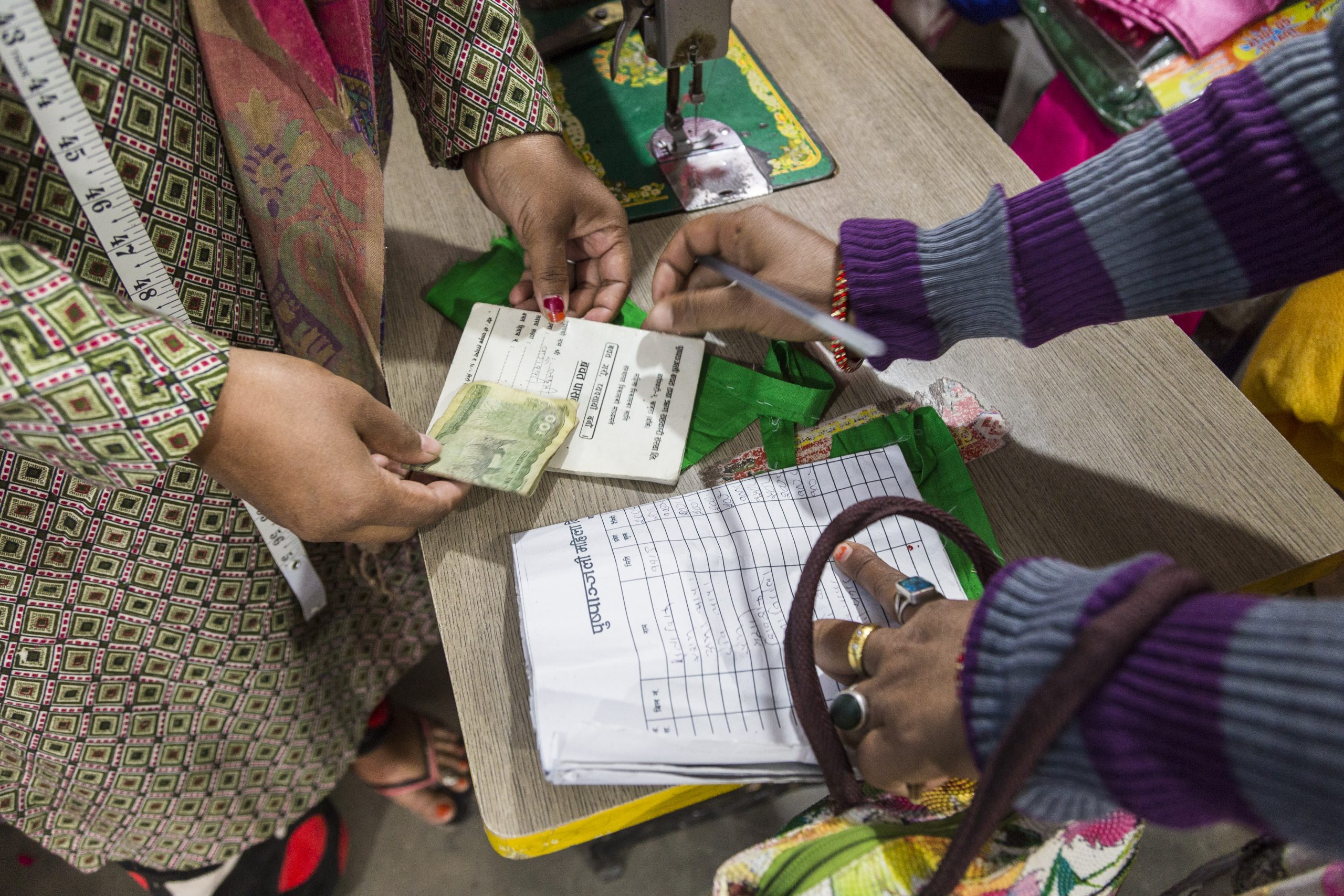
Women are also more likely to be in precarious and low paid work, providing critical services with no secure income or social protections, such as street vendors or domestic workers. For example, 80% of women across Uganda rely on day-to-day informal labour to support their families. There is serious concern that these women cannot survive sustained lockdown measures with no savings, resources or land to support themselves. The irony is that informal vendors are a vital part of food supply chains, providing affordable nutrition to those who can only afford to buy life’s necessities in very small quantities and cannot afford discount supermarket prices. Lockdown measures threaten not just the income and livelihoods of these women but the survival of whole communities
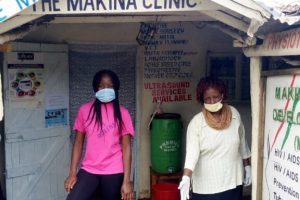
Intersectionality during COVID-19

COVID-19 is exacerbating existing inequalities and impacting the most marginalised the hardest. For the three billion people in the world without access to running water such as those in the Global South or Indigenous communities, the hand washing advice is seen as a conversation among the privileged.

Access to reliable and accessible information itself is not equal, especially for people with disabilities, illiterate people, and people living in rural areas. For example, Womankind partner National Union of Women with Disabilities of Uganda (NUWODU) report that government directives and guidelines are not inclusive nor considerate of people with disabilities and there have been cases of those with disabilities having been penalised for not adhering to public health restrictions.

Women who are more marginalised are more likely to work in the informal sector, which means that with no social protections they are at increased risk of being pushed further into poverty. Discriminatory practices mean that some women are denied access to essential government provisions. In Nepal requirement of government ID to receive assistance meant trans people struggled to get relief packages. In Uganda lesbians who are ‘masculine presenting’ have been turned away from centres giving out emergency food packages.

School closures around the world have put girls at increased risk of violence. As families struggle financially and intervention programmes are halted more girls are at risk of female genital mutilation (FGM) and child marriage. It is estimated that 2 million more girls will undergo FGM than expected in the next decade – this on top of the 3 million girls at risk of FGM each year pre-COVID.

Women’s participation and leadership

Just 12% of countries have introduced measures to counteract all of the three biggest impacts of COVID-19 on women and girls, such as tackling increased violence against women and girls, supporting unpaid care work and strengthening women’s economic security.

Women’s rights organisations and movements have been largely excluded from dialogues and discussions on COVID-19 response and recovery despite being at the frontline providing essential services (such as shelters, hotlines for gender-based violence survivors) where governments have failed to do so.

Without meaningful engagement of women’s rights organisations and feminist leadership we risk a COVID-19 recovery that ignores the gender impacts of the pandemic and accelerates the rollback of women’s rights. Decision making is stronger, gender responsive and fairer when diverse feminist leaders are involved.

We have been supporting our partners through the Womankind COVID-19 resilience grants. The fund will enable partners to continue their work responding to the diverse needs of the women in their communities during this extraordinary time.

Help us to support our partner organisations during these unprecedented times. Click here to donate today.

Find out more about how COVID-19 is impacting women’s rights in our focus countries and how our partners are responding here. 

Women's voices

“I realise my potential and the power within me”
Sheillar’s story