
Online violence and abuse

What is online violence and abuse?

The rise in the use of the internet and other communication technologies has led to new forms of violence and abuse against women in online spaces including violence targeting women human rights defenders. Online violence and abuse can be sexual, psychological and emotional.[1] Patterns of violence and abuse most commonly reported include sexual harassment, cyber stalking and threats of violence, cyber bullying, non-consensual sharing of intimate images or videos (also known as ‘revenge porn’), and hate speech.

How common is online violence and abuse?

In 2018, Womankind supported research with the University of Leeds covering online violence and abuse against women on social media. The research was published in our report: Breaking the Silence: Ending online violence and abuse against women’s rights activists and included key findings from partner women’s rights organisations and activists in Kenya, Nepal and Zimbabwe.

We learnt 89% of women who responded had witnessed another woman being subjected to online violence and abuse, while a further 50% of women said they had experienced online violence and abuse themselves.[2] Other studies have raised similar concerns for women more broadly. For example, in Uganda 45% of women said they had experienced threats or direct personal bullying on the internet.[3]


Womankind and partners work to end online violence and abuse

Partners are finding new and innovative ways to mobilise through ICTs, while creating greater awareness of ways to make the internet a safe place for women. In Zimbabwe, Women in Politics Support Unit (WiPSU) have used WhatsApp to launch campaigns like “16 Days of Activism campaign,”, which aims to inform women about a different right each day. Ugandan partner, Freedom and Roam (FARUG) host Facebook Live discussions tackling violence against the LBTQI+ community.

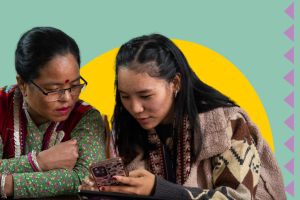
Womankind supports in projects that broaden access to and information about ICTs for women and girls. For example, in Nepal, our partner Voices of Women Media (VOW Media), who want to equalise use of the internet and new technologies, have been designing and testing a feminist ICT curriculum. Through 24 weeks of workshops, they target girls aged 14-18 years, who come from low-income households and orphanages, with skills development in ICTs and knowledge of both the opportunities and the harms they can bring.


[1] European Institute for Gender Equality (EIGE). (2017) Cyber violence against women and girls.

[2] https://www.womankind.org.uk/docs/default-source/default-document-library/breaking-the-silence-policy-briefing.pdf?sfvrsn=0

[3] Women of Uganda Network (WOUGNET), Association for Progressive Communications (APC) and Collaboration on International ICT Policy for East and Southern Africa (CIPESA). (March 2016) Women’s Rights and the Internet in Uganda: stakeholder report to the Universal Periodic Review 26th Session Uganda.

Women's voices

“The radio is stirring their souls”
Precious’s story