This G7 is not just a historic opportunity but a historic responsibility
By Caroline Haworth, Chief Executive
This Friday the UK will host a meeting of 7 leaders from some of the world’s largest economies. The G7 will meet to set out their aims for global politics covering everything from the climate crisis to the post-COVID-19 recovery. Here Womankind Chief Executive Caroline Haworth talks about the historic responsibility to centre women’s rights, and why the UK must recommit to creating a more equitable world for those most marginalised.
It is within the power of the G7 to meet this moment and they must. This G7 is not just a historic opportunity, but a historic responsibility at the time of the twin global crises of COVID-19 and climate change. The G7 must set the ambition and commit the resources for radical, transformational change. For stronger, more equal, more resilient societies and for the international policies that will support them, in finance, trade, health, environment – and in race and gender justice.
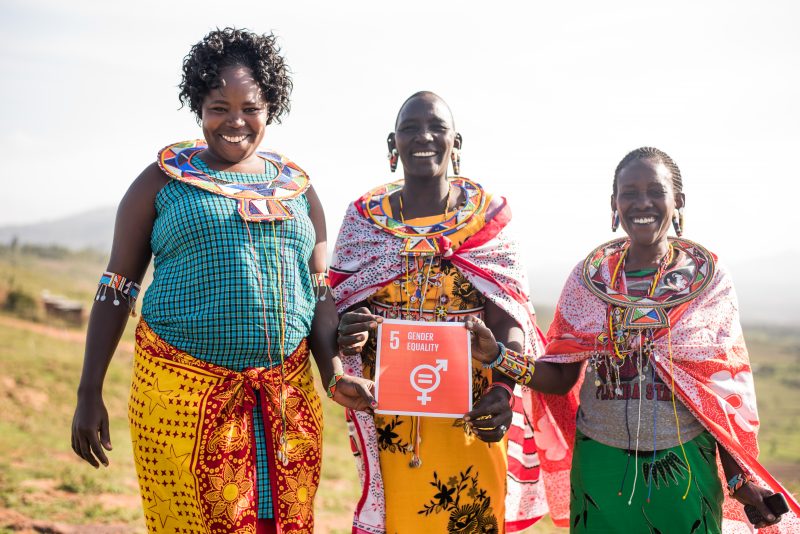
The G7 purports to support the development of open, just, democratic societies. Societies that are sustainable and inclusive. Now is a pivotal moment. They must step up to move that vision forward. The Sustainable Development Goals (SDGs), to which all G7 nations committed, should not be swept away by the present dangers we face. They have never been more relevant. As we respond to current crises, delivering on the SDGs and leaving no-one behind provides a route map for transformational change. This is not the time to cut programmes working towards these goals. It is the time to deepen our commitment to them.
The toll of COVID-19: the need for global support now
Systemic inequality has been laid bare by COVID-19 in every nation on the planet. Women bear a disproportionate burden of the impact, they have a greater burden of care, and experienced increased levels of violence, insecure employment and unequal access to services and resources. Women with multiple and intersecting marginalised identities, such as LBTQ+ women, women with disabilities, or Black, Indigenous and People of Colour are further disadvantaged and discriminated against.
Women’s rights organisations and movements are essential to solutions which meet greatest need. Yet, they are often excluded from participation in policy development and decision making.
Women’s rights organisations and movements are essential to solutions which meet greatest need and advance justice and rights for all women and girls both in times of crisis and stability. Yet, they are often excluded from participation in policy development and decision making and are always under-resourced.
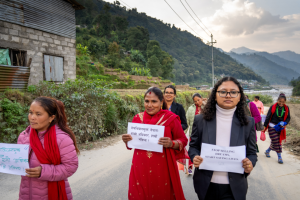
The devastation being wrought by COVID-19 in Nepal has been screened across the world. 4,000 people are reported to have died in the last month. The media has documented the desperation of families left to deal with illness and death as best they can, amidst a grievous lack of basic commodities and services. But through this, women’s rights organisations and movements are supporting women at the community level, despite the personal risks involved as they work outside the home.
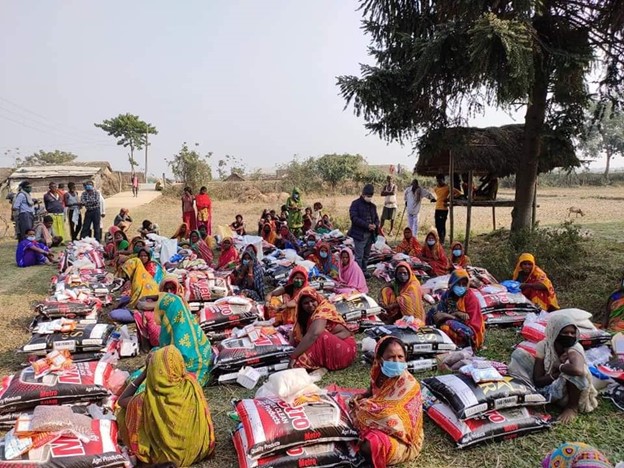
Womankind partner Feminist Dalit Organisation (FEDO), are supporting the resilience of Dalit and other marginalised women by providing essential foodstuffs, health and hygiene supplies, winter clothes and blankets and items to support livelihoods, including mobile phones and bicycles. FEDO have been supporting women like Bisna, who had lost her husband, suffered violence from relatives and lost her income during lockdown. She reported that she would not be alive today without the FEDO relief package and was now able to plan a small pig keeping business and a more sustainable future.
Global crises need global solutions
Whilst it is one of the lowest carbon emitters, Nepal is also one of the most vulnerable countries in the world to climate change, including flooding and landslides which cost lives and destroys housing, infrastructure and farmland.
As well as hosting the G7 the UK also presides over the UN climate change summit (COP26) taking place in November this year. On a recent visit to Nepal, Alok Sharma, President of COP26, acknowledged the strong understanding of the need for climate action amongst women and young people. Yet rather than extend efforts to shift greater power and resources to women’s movements leading climate action at the local level, he is part of a government that, incomprehensibly, feels it is right to cut the UK aid budget.
These vicious cuts to UK aid make no sense amidst the crises of COVID-19 and climate change
These cuts appear to be neither planned nor rationalised. There is no official government analysis of the impact they anticipate from the cuts they are making. But independent reports from UK based NGOs estimate it will take an additional 36 years to close the gender gap created by the pandemic if urgent action is not taken now.
The impact of the cuts will affect the most at risk communities and fall disproportionately on women and girls, causing deep harms. These harms fly in the face of the government’s manifesto pledge on aid and represent a serious breach of promise to some of the most marginalised women and girls in the world, as well as to the British tax payer.
As the G7 lays the ground for further global commitments on addressing COVID-19 and climate change the UK government needs to rethink its decision to cut aid. It must come up with an approach that ensures that its international aid directly reaches women’s rights organisations and movements who are the frontline of the response to these crises. It’s time the UK government walks the talk and lives up to its commitment for a more equitable world that centres the rights of women. This must start with immediate reversal of the UK aid cuts and implementation of recommendations from civil society.
In the meantime, women’s rights organisations and movements are on the frontlines of the response to COVID-19 throughout Nepal. Find out more about how you can support the emergency appeal here.