

We must protect women human rights defenders
By Netty Musanhu
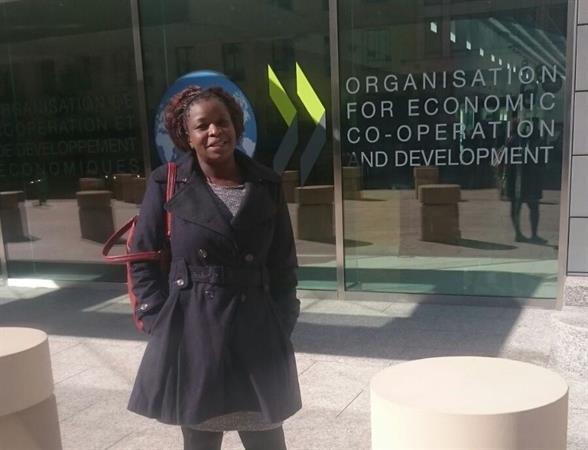
Netty Musanhu is the director of Musasa in Zimbabwe, a women’s rights organisation delivering shelter services to survivors of violence. On Human Rights Day, Netty shares the threats and violence women’s human rights defenders face.
“The context in Zimbabwe is very difficult at the moment. The women’s movement is suffering, there are very few resources to go around, and the need from women is overwhelming. On the one hand we do now have very good laws as a result of the new constitution – women’s rights organisations campaigned hard to ensure the constitution paid attention to gender, and it does. But on the other hand the government has not prioritised implementation of the constitutional laws on women’s rights.
Women human rights defenders face a lot of threats, on a daily basis, because our work and our activism challenges culture, and patriarchy. It does not matter if you are working on perceived “soft issues” such as domestic violence, you are challenging deeply held, harmful social norms. You are stigmatised right from the family level, in your own home. As your voice gets bigger and reaches the national level, the repression gets worse.
I have numerous examples of where I’ve been followed and threatened. Court actions have been taken against me by powerful men, who are angry that their wife has sought
refuge from domestic violence in our shelter. But I just carry on.
We are not protected because we are women
As women’s rights activists we are visible, we are out there. We saw and experienced electoral violence. We are the face of the movement, and we’re on the front line, but we have very little protection. Because we are women, we are not seen as ‘human rights defenders’ so we are not protected. We need mechanisms in place – safe houses, established routes out of danger, phone lines we can call for help. But the money for those things isn’t there, so we continue, without protection.
After the last elections, international donor agencies stood back and took a “wait and see” attitude to funding in Zimbabwe. So there is less money to go around. Yet we are overwhelmed. We have thousands of women come to us on a daily basis and we can’t cope with the demand. Women have dared to stand up to violence, to speak out and seek safety. Women are resilient, they have to be, they experience the violence and they carry on. But they are suffering.
We are delivering shelters, ‘one stop shops’, services for women, but the government is not contributing so we are dependent on donors from overseas. And it is not every donor who allows us to dream – to decide ourselves on the interventions we need in our communities. Much aid is short-term, tied to particular projects, and doesn’t allow us to plan ahead, or to develop our own strategies, based on what we know women need.
We, as women, know the solutions
We don’t need international ‘experts’ telling us about the violence in our own country. The international community needs to understand that we, as women, are the experts who live and breathe our local communities. We know the solutions to our problems. If you give us a chance, we have developed innovative solutions that we can roll out in our communities.
There is a lot of talk about impact and value for money in development financing. But what does value for money mean? What value do we put on the life of a woman who can now live free from violence? Women’s rights organisations are strong, and we’re ready – we understand the problems faced by women, and we have the solutions. Investing in our work will show impact where it really matters, in the lives of women.”


