

Ensuring a brighter future for women’s rights organisations and movements
By Alexandria McCarthy & Estelle Bloom
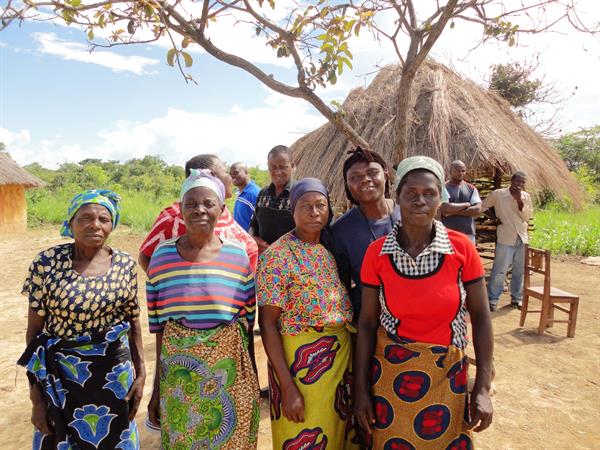
Women’s rights organisations and movements around the world are vital to protecting and promoting women’s rights, yet they are often left struggling for survival. Those in sub-Saharan Africa are no exception. Many are forced to close their doors or operate on next to nothing, jeopardising the fundamental work they do.
In response to this, Womankind Worldwide joined forces with the Global Fund for Women and CARE to host an event to explore solutions to this worrying situation. It was held at the United Nation’s annual CSW event to review the progress and continuing gaps in the implementation of women’s rights.
The event, Putting Women’s Rights Organisations Up Front: Lessons Learned In Building Support and Partnership for Social Transformation, brought together women’s rights organisations, international NGOs and donors. Together, they highlighted actions to ensure women’s rights organisations and movements in sub-Saharan Africa are supported to deliver their work.
Participants engaged in lively discussions to examine the challenges faced by women’s rights organisations and movements, share success stories and identify strong recommendations for the way forward.
What women’s rights organisations need, urgently
One of the key recommendations put forward was to ensure core, flexible and long-term funding for the organisations and movements, to enable them to set their own agenda and respond to the local context.
Other recommendations focussed on:
• funding a diverse range of women’s rights organisations and movements, including grassroots organisations and those that are led by marginalised groups of women and girls.
• more emphasis on the actual changes in women and girls’ lives created by the organisations and movements, rather than on numbers. As one participant said, ‘We don’t work just for numbers, we work for transformational change.’
• giving a greater voice to new or smaller grassroots women’s rights organisations and movements, including young women-led organisations
• more equal and meaningful partnerships between international NGOs and local women’s rights organisations
• addressing the challenges caused by lack of support at government level, fewer women in decision-making positions and the gap between local needs and available resources
• building the capacity of women’s rights organisations and movements, in a way that meets their specific needs
• better support and protection for women’s rights defenders who work tirelessly, often in the midst of continuing attacks and threats against them
The event helped identify measures we hope donors will consider as they develop their policies and programmes. A full report of the recommendations discussed is available here.


