
“Everything I do is to try to address or to try to contribute to a world that’s more balanced”
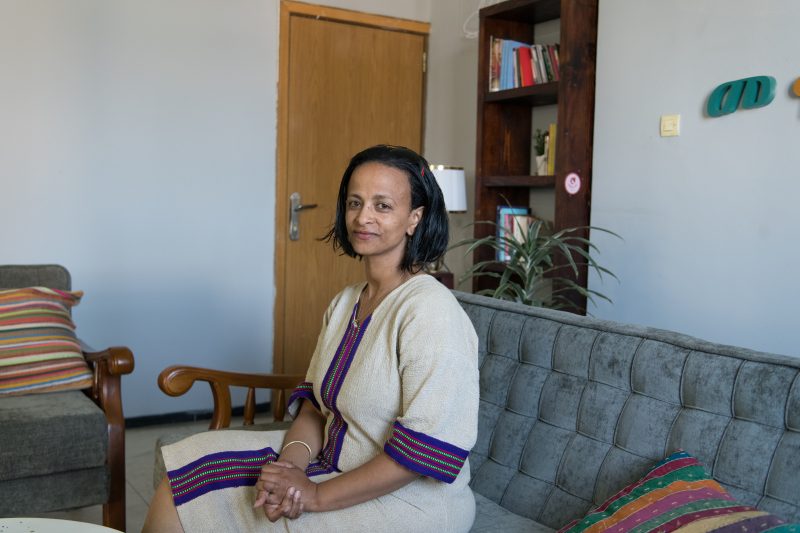
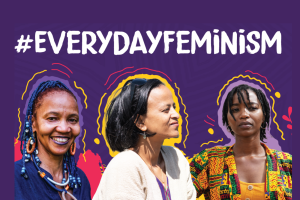
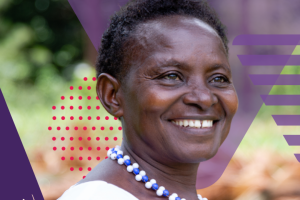
Sehin Teferra is an Ethiopian activist and Director of Womankind partner Setaweet. She defines herself as a feminist and is keen on debunking myths around it.
Her #EverydayFeminism is focused on building allyship and solidarity. She believes men can also be feminists and their feminist awakening can begin when they acknowledge their own privilege and connect it to their own forms of oppression.
My experience with activism
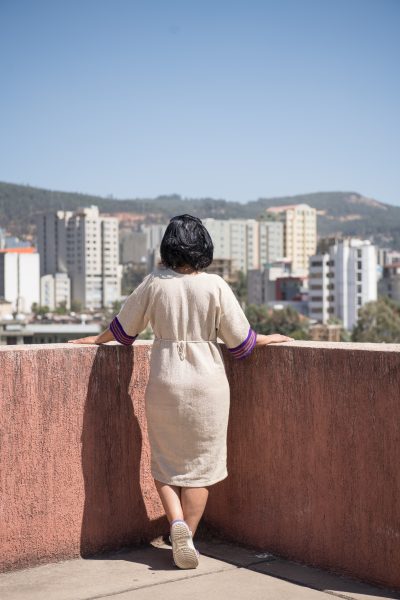
There was a moment that I made the decision to be an activist because I did a lot of gender work before that. I really think I was an undercover feminist. I was afraid to say what I thought but I think it was after I gave birth to my daughter, I also realised the way I was doing gender work was very technocratic, which was very much coming from a development angle and not really the academic activism that I think I now bring to the work. I remember making a conscious decision to be more vocal about this and that I will call myself a feminist and work alongside other feminists. And that’s really how it was born.
About maybe 12 years ago it really began with me starting a conversation with fellow Ethiopian feminists sayiing we are all feminists, but there is no feminist platform or feminist organisation. So we thought, let’s create one. I think our identity grew and became firmer with that. That’s how we came into the feminist identity and into organising work.
My experience with feminism
Why do I define myself as a feminist? Because I understand gender inequality to be the greatest injustice in the world, the most prevalent kind of injustice that I see every day particularly in my own country Ethiopia, where we work to address sexual violence and focus on movement building. And for me, these are kind of the core tenets of feminism. Everything I do is to try to address or to try to contribute to a world that’s more balanced, that’s slightly more just and I do this through the prism of gender justice. This is, for me, is the definition of feminism. And this is what I’ve committed my life to doing, to serving.
I think everyone worries about being misunderstood. I think it’s human nature to not want to get into trouble over your own identity. There was so much misunderstanding about the word that I kind of only used it in private and I still see the misunderstanding. I think the backlash against feminism has gotten worse in Ethiopia. Partly because I’m part of a growing movement of women and men who call themselves feminists. When there’s more of you, there’s more objection. The backlash grows in tandem. Why is there such a misunderstanding? I think because in the case of Ethiopia, it’s a Western concept and the assumption that it comesfrom abroad. I completely disagree with this. Fairness and justice are human rights issues and they’re completely Ethiopian values.
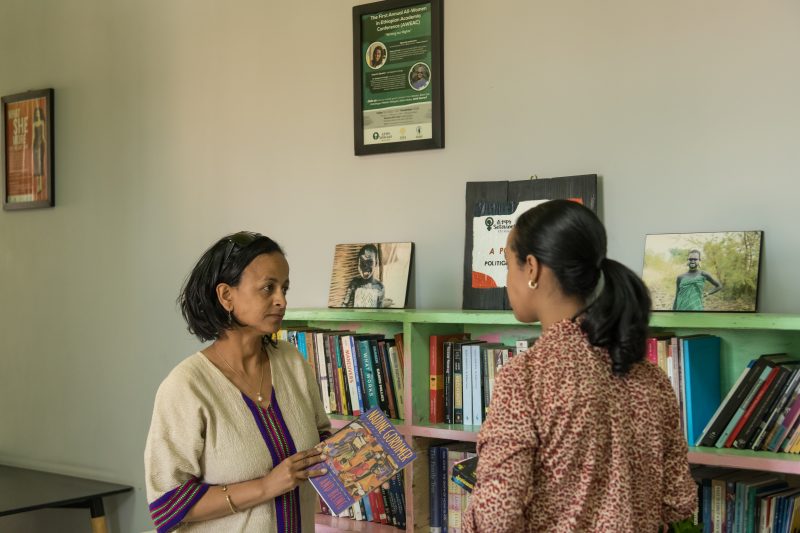
I learned feminism from my grandmother, who never learned the word feminism but she very much lived a feminist life. It’s my life’s mission to clear up the misconception around it. A lot of people would say, “why don’t you just say you work for gender justice?” But there’s a word for it. That’s feminism. I’m not going to pretend that I’m not a part of this global movement to end patriarchy and to bring about a more just world.
A second area of misunderstanding and very vocal backlash against feminism in Ethiopia is the connection or the assumed connection LGBTQ rights. Because I live in a highly homophobic society that’s really terrified of the notion of human rights for, this connection is really seen as a way to keep us at bay.
What I see as men’s role within feminsim
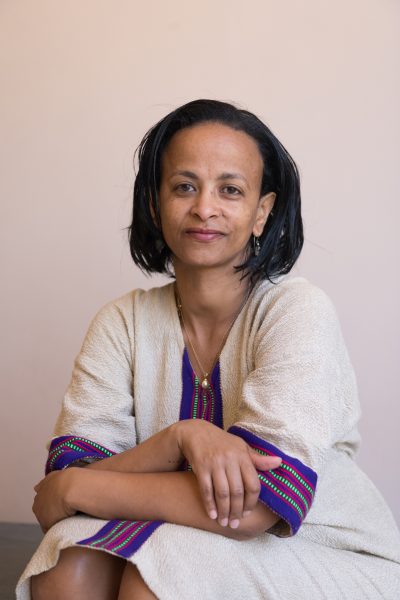
This is a complicated discussion within feminism. I happen to think men can be feminists. I think some of the strongest feminists in Ethiopia that I know are men. They’ve been greater allies to me and to the work that I do than many women. They’ve been more steadfast in their support. I think feminism for men starts when men acknowledge their own privilege, start to connect it to their own forms of oppression and to other forms of oppression. I think this is a key tenet of intersectional feminism. I’m not saying that I think men need to lead the movement. I think they need to be very much in the background but there’s definitely key allyships. Personally I couldn’t do without some of the men who served on our board of directors, some of the who’ve really kind of protected our work and really stood beside us and really given invaluable support and it’s important for me to acknowledge that.
< View all stories