
Violence against women during COVID-19
No country is immune or unaffected by the ‘shadow pandemic’, the violence and abuse against women and girls that is heightened by security, health and money concerns and worsened by lockdown measures. In some countries calls to domestic abuse helplines have increased by five times the number pre-COVID. According to the United Nations Population Fund, every three months of lockdown could result in 15 million more cases of domestic violence than would typically be expected.
Womankind partners providing safe houses and shelters for women survivors of violence in Ethiopia, Nepal and Zimbabwe have reported higher demand for their services. To prevent infection, many governments have instructed shelters not to take in newcomers and in some instances, such as in Nepal, Womankind partner, Women for Human Rights have given over the spaces in their shelters to the government for quarantining COVID-19 patients. Womankind is extremely concerned about the availability and continuation of specialist services run by women’s organisations for women survivors of violence.
State sanctioned violence
We are extremely concerned by reports of security forces in Uganda, Kenya and Zimbabwe using excessive force including beating, shooting, and arbitrarily detaining people to enforce lockdown measures.
There are also reports of police abusing their powers to target marginalised groups, for example there are reports of police using COVID-19 as the reason to arrest 23 people during a raid on a shelter for homeless LGBT youth in Uganda.
Women’s economic rights during COVID-19
Women are bearing the brunt of the economic fallout of the current COVID-19 crisis. As schools and childcare facilities close and health systems are overloaded, care for children and sick relatives largely falls to women who already perform over three quarters of unpaid care and domestic work. Outside of times of crises, this vastly impacts women’s ability to engage in paid work and in times like these, women are often faced with unfair and sometimes impossible choices of giving up paid work to care for children, older people, the sick or people with disabilities. Research suggests that women are leaving the formal job market at 1.8 times the rate of men. The gender pay gap further compounds the inequality, making it harder for women to meet families’ basic needs.
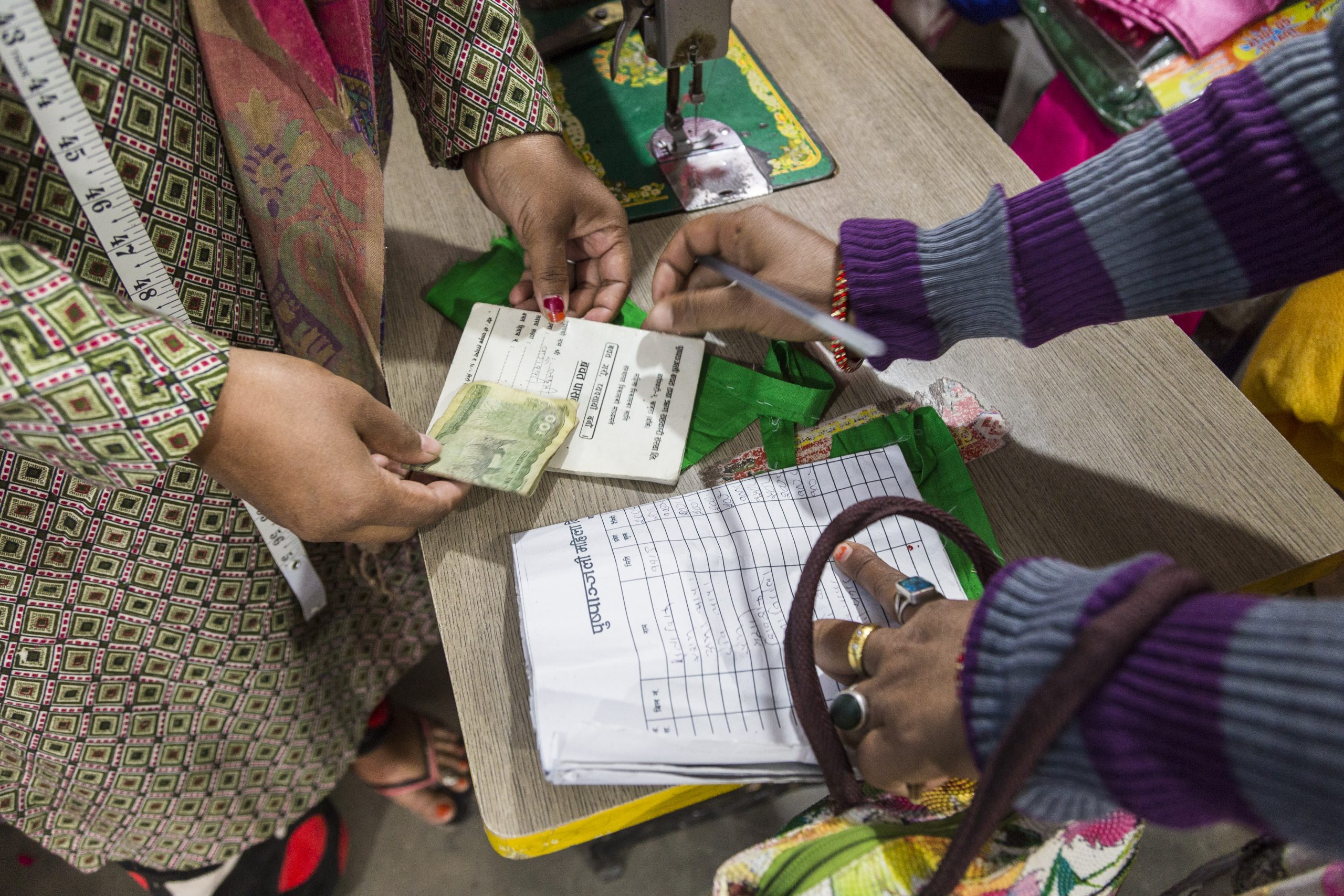
Women are also more likely to be in precarious and low paid work, providing critical services with no secure income or social protections, such as street vendors or domestic workers. For example, 80% of women across Uganda rely on day-to-day informal labour to support their families. There is serious concern that these women cannot survive sustained lockdown measures with no savings, resources or land to support themselves. The irony is that informal vendors are a vital part of food supply chains, providing affordable nutrition to those who can only afford to buy life’s necessities in very small quantities and cannot afford discount supermarket prices. Lockdown measures threaten not just the income and livelihoods of these women but the survival of whole communities