Misogyny runs deep: how to stand up to sexist language
By Clemmy Manzo, Feminist Copywriter
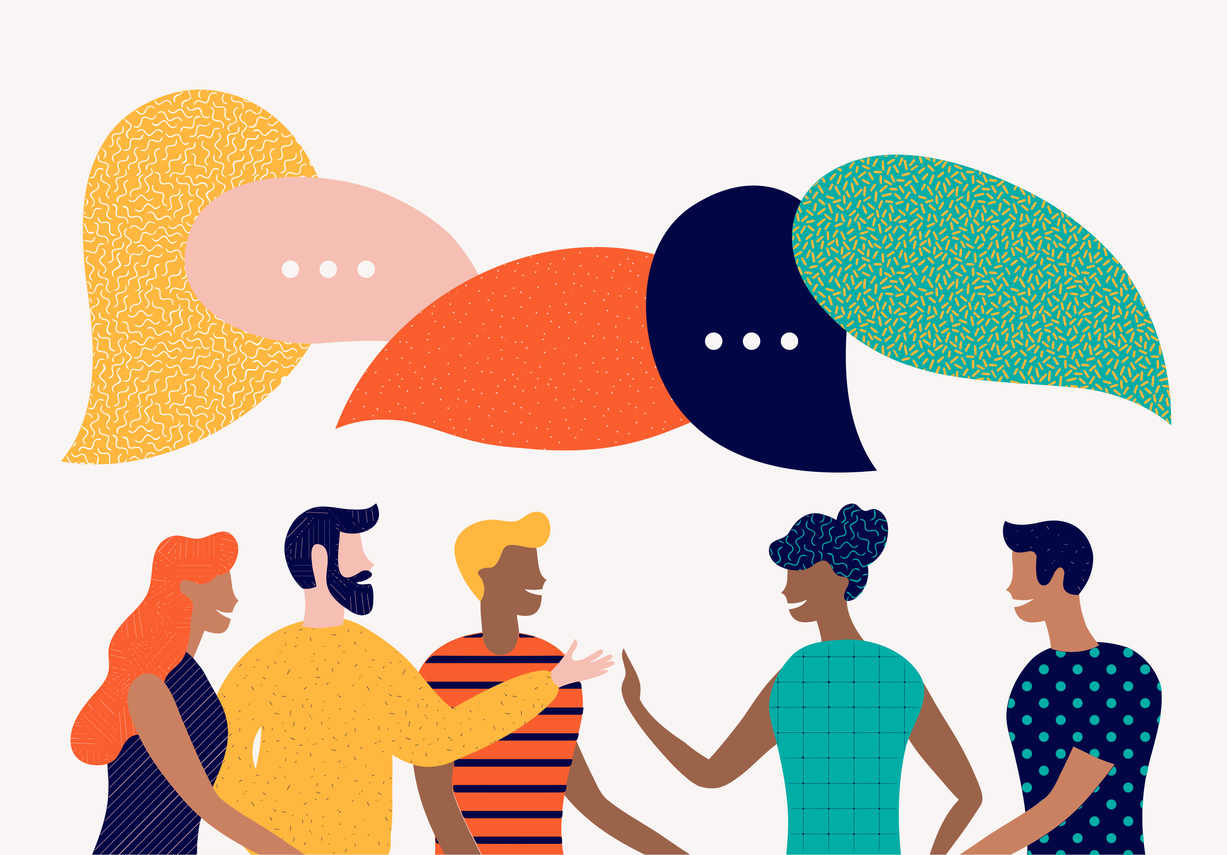
Our journey as feminists means we are constantly learning; and sometimes this means learning to unlearn language we previously accepted, or at least tolerated. It means learning to challenge that language. This blog aims to provide feminist readers with some tools to help build confidence in how we address sexist language in our own lives and interactions.
All too often we hear sexist remarks about women and girls, which are then passed off as casual jokes. Worse still, this exposure to sexist language starts young: in the UK, 66% of 16-18-year-old girls have experienced sexist language at school. It’s a global issue, and one that continues into adulthood. Women in high-ranking positions are not spared sexism either: in Africa, for example, a total of 67% of the women parliamentarians interviewed reported being repeatedly subject to sexist remarks and attitudes over the course of their parliamentary mandates.
Language matters. It even shapes the values of a society. It’s therefore important to understand that sexist language is part of the patriarchal system and a culture of misogyny that harms women. If, as a society, we accept and allow sexist language, we’re sending a message that it’s OK to demean women, and if it’s OK to demean women, then it’s not too big a leap to see how harassment and verbal abuse might feel OK to some. So the next time someone says their sexist language is ‘just a joke’, know that this isn’t acceptable at all.
 Source: An Empirical Exploration Into the Measurement of Rape Culture (Nicole Johnson, Dawn M. Johnson)
The diagram above helps visualise how sexist talk and rape culture are intrinsically linked. Sexism, objectification, and the restrictive nature of traditional gender roles all feed into a culture of misogyny that create a barrier to women achieving equality – and perpetuate violence. And when we consider that 1 in 3 women across the globe experience violence in their lifetime, we see how vital it is to challenge sexism in all its forms.
“Individual acts of sexism may seem benign, but they create a climate of intimidation, fear and insecurity. This leads to the acceptance of violence, mostly against women and girls.” - The Council of Europe
So how can you challenge sexist language, without feeling like a killjoy or, worse, exposing yourself to risk?
The first thing to do is to champion non-gendered language in your everyday vocabulary. Stay away from words that perpetuate stereotypes or strip women of their power.
And then there are some useful tactics that you can use for calling out sexism directly:
- Don’t validate a sexist comment with a laugh. By laughing, you’re saying ‘this is OK with me.’
- Don’t just let it pass. It’s not always easy to say something, but if it’s safe to do so, challenge the use of sexist language.
- Ask questions. What did they mean by that? Was it funny? Why did they feel the need to refer to the person’s gender?
- Remind them of their better self. Would they have said that if they were in a different setting?
- Or express outright disapproval. ‘I didn’t like what you said and I don’t think it’s funny.’
- Know your boundaries. If this turns into a debate, recognise your own limits and don’t feel guilty for shutting down the conversation.
It’s worth practicing some of these tactics to yourself out loud, and on friends. You’ll find it easier to incorporate them into your life if you’ve tried them out first.
Finally, if you witness someone challenging this language, support them – be an ally. And if you’re the one being challenged on your language, don’t get defensive. Listen. Learn. In order to challenge the current culture of misogyny, we must work together and be willing to do better.
How Womankind is working on this issue
Violence against women and girls is both a result of and a driver of gender inequality. We work with our partners to address violence against women and girls at all levels of society, from enacting legislation to challenging gender norms. In Ethiopia we worked with partners Setaweet on the pioneering Gender Shops project, a feminist curriculum rolled out to schools that challenged stereotypes and addressed issues of consent.