
“Feminism, for me, has always mattered a lot in shaping who I am.”

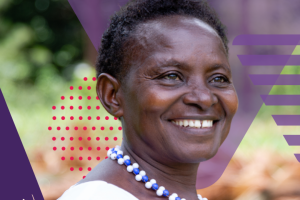
Pema Wangmo Lama is an activist belonging to Mugum indigenous nations and the Programme Coordinator at National Indigenous Women’s Federation (NIWF).
Pema’s stance on Everyday Feminism is about equality, dignity, and respect for all genders and building a more just and inclusive society. She learned feminism from her mother and this has been an anchor in making her feel empowered.
What #EverydayFeminism means to me
The major misconceptions about being a feminist are that we are too loud, our opinions are too revolting, and what we are asking for is far too much for society to change.
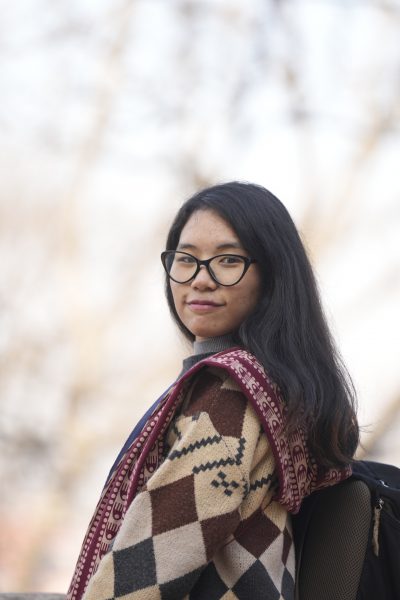
For me, being a feminist means that I see biasness everywhere. I also see my strength everywhere as well, and I get to unapologetically be me and just be with people who share values and are willing to come together for a common purpose. Feminism is about equality, dignity, and respect for all genders. It matters because it helps us build a more just and inclusive society. I learned feminism from my mother, and it has helped me feel empowered. Feminism, for me, has always mattered a lot in shaping who I am and has been instrumental in my personal growth and in building a sense of community.
There is a lot to do to change our society, but we can definitely start by learning and teaching each other about our experiences. Educating ourselves about the diverse realities, and if we cannot fully accept it, at least we can start by acknowledging it. Continuous learning and unlearning can take us a far way.
To the younger generation, I would say: be bold, be confident, be respectful. Let’s listen as much as we speak and try to educate ourselves about the diverse realities of today. But still, stay strong in your values and just do what feels right for you.
What indigenous feminism teaches us
My indigenous culture has given me so much more humility, strength and confidence in shaping who I am. A lot of my personal self is also built on what my indigenous identity is because all the culture, the elements of our culture, the way we celebrate the feelings of solidarity among each other, and not just within my community, but as an overall indigenous community as well. We have a lot of feelings of sisterhood and brotherhood.
This connection is so great, and it builds how I take humanity itself. It gives me passion, it gives me love, it gives me the feeling of respecting not just people but also nature and living in harmony with nature. That has built who I am today and also built a lot of my values as well. And, because I also identify myself as a feminist, I get a lot of connections between those two values.
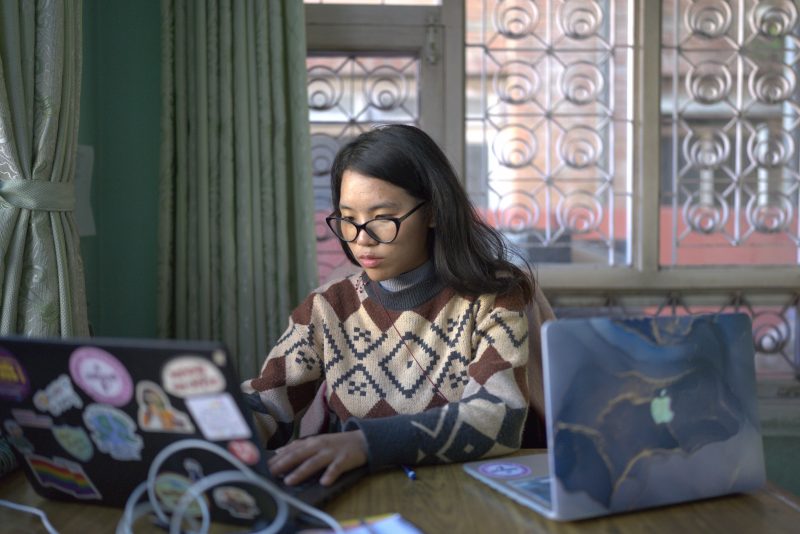
When we talk about feminism, it’s a lot about our individual rights or a lot of our individual identity. Indigenous feminism comes with a collective sense of community. So when the two combine, it just gives a much better sense of what we should do, how we should add, what our values should be in the community.
Being an indigenous woman to me is just all about being confident, being loving to not just those close to us, but being also loving to our Mother Nature, our relatives, our relatives from all over the world. It teaches me how to not just act for myself, but more collectively. It gives me the collective connection to human beings, to nature, to wildlife, to everything that that’s around me. I think that’s what being an indigenous woman gives me.
For me, feminism means about being confident in how unique I am within myself. Being feminist gives me confidence to be out-of-the-box, even within indigenous movement, feminism gives me the courage to just point it out: “This is not right and we should not be doing this. This needs to be changed.” And we can do it so much better if we connect those both to us, indigenous feminism, that’s what we are working on and that’s what I aim to promote.
< View all stories