Strengthening women’s participation and leadership.

Imagine being unable to decide how your country is run or speak up about issues affecting your local community. This is the reality for many women around the world, who don’t have a say in the decisions that impact their lives.

Currently, only 25% of parliamentarians across the globe are women and women lead fewer than 25 of the world’s 196 countries. When it comes to elections, many women face barriers that make it hard to stand for elections, to be voted for and to vote for the people leading their countries.

Why are women underrepresented?

There are many obstacles that stop women from being involved with decision making at all levels of society. Women who face violence, poverty and discrimination are more likely to be excluded from decision making.

Barriers such as discriminatory laws, lack of education and greater caring responsibilities all restrict women from becoming leaders or voting in elections. Some women aren’t allowed to see their ballot papers, with male family members casting a vote in their name. Women are underrepresented as voters and leaders in governments and communities around the world.

When women do run for office, they are less likely to have the contacts and confidence to succeed. And those who do reach leadership positions, can face daily prejudice, harassment and violence.
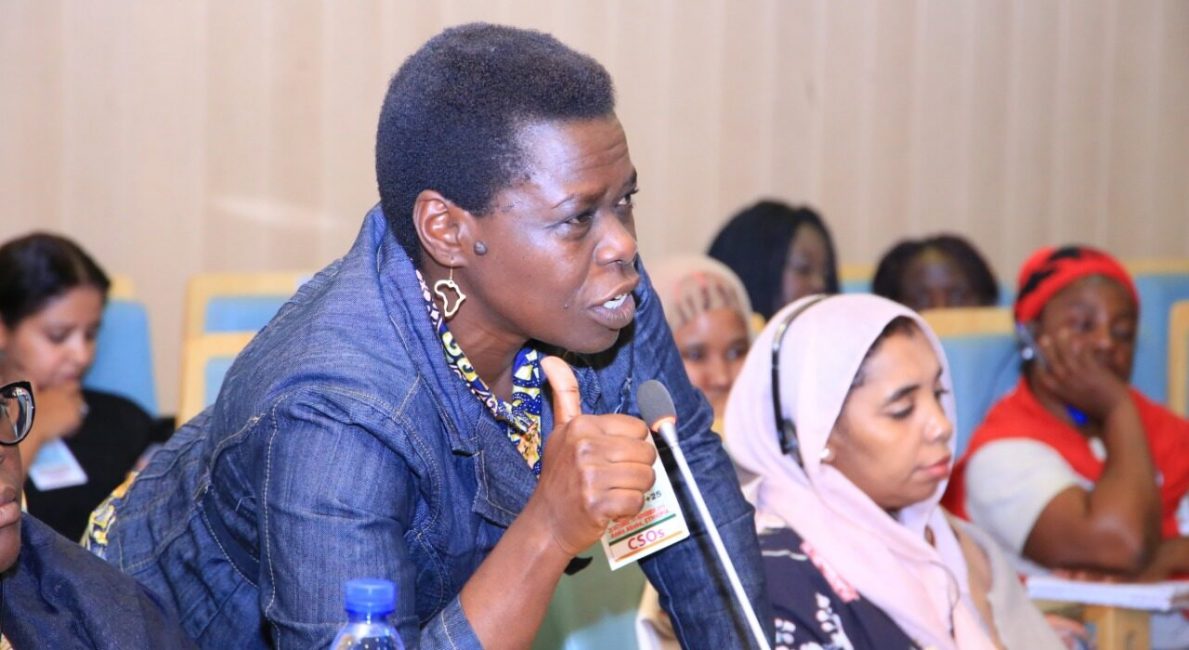
Jane Anyango, Founding Director of Polycom Development Project speaking at the Beijing +25 Africa Regional Reviews at the African Union. Photo credit: Billy Mutai for Womankind Worldwide

Why do we need women leaders?

Women have a right to participate fully and equally in public and political life and bring their unique experience to public debates and decisions.

Shifting the power

Women’s public and political participation is more than a numbers game. For women to shape laws and practices they must have real influence over decisions.

To create an equal future, we need to transform existing systems of discrimination so that women can make decisions at every level of society including at the political level. We’re working with women’s rights organisations and movements to challenge gender roles, stereotypes, attitudes and beliefs and to mobilise women and girls to influence decisions made by those in power.

Together we’re:

  • Creating spaces for women to speak out and claim their rights
  • Supporting women leaders to gain the confidence, skills and knowledge to represent other women
  • Improving the representation of women in local leadership as this is where many of the decisions affecting women’s lives are made
  • Holding decision makers to account and making sure they respond to women’s priorities and needs, including women with disabilities, from lower classes or castes, and lesbian, bisexual and transgender women
  • Working with communities to challenge and change attitudes towards women

Women's voices

“This is my work now: I am an activist”
Florence’s story