
Unpaid care work, lack of fair and job security, poor working conditions, and limited opportunity to own and control land and inherit property are all undermining women’s rights. Women can’t earn a living and take control of their lives.
When a woman doesn’t have the freedom to earn a wage, have social security or own her own land or property, it affects everything – from her ability to make her own choices to an increased risk of violence.
Women taking control
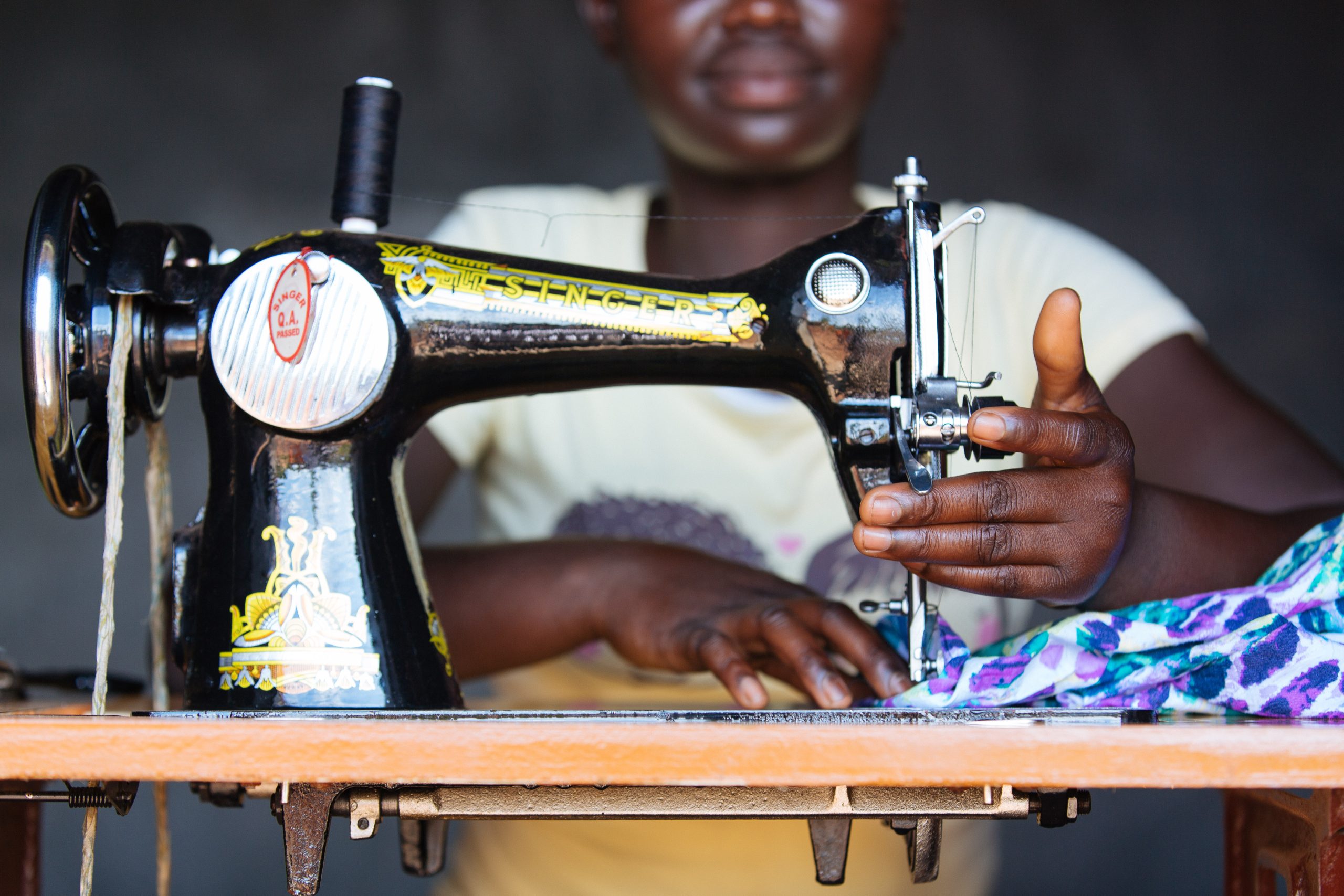
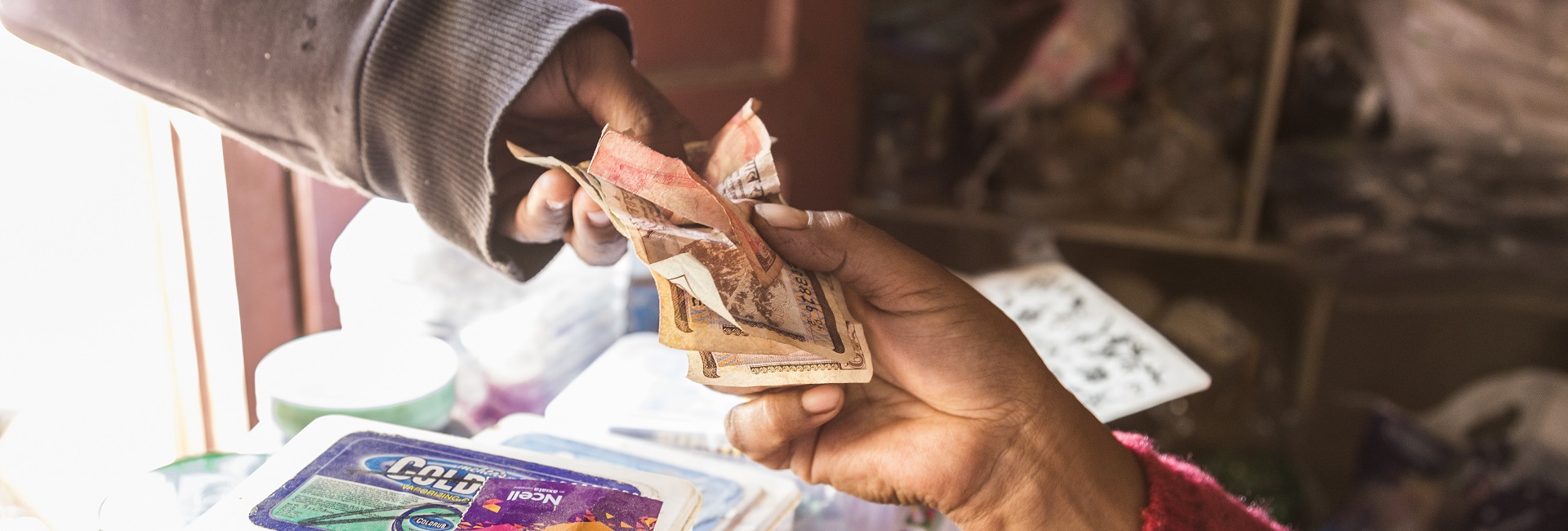
Having an independent income gives women more control and autonomy over their lives. They can get an education, access healthcare or own a plot of land. This gives them financial security and means they can feed their family and make choices in their lives.
While the right to work is vital, women’s economic rights go beyond this. Women have the right to an adequate standard of living. The right to food and the right to housing. They should have access to public services such as healthcare, education, social protection, VAWG services etc.
Why do women not have economic rights?
Across the world, women take on the burden of unpaid care and domestic work, from looking after their children and caring for relatives to doing household work. This reinforces gender inequality as women have less time to do paid work and to attend to their own wellbeing and self-care.
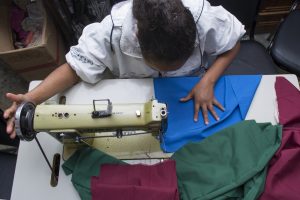
When women do find paid jobs, they struggle to find decent work. This means finding a job that guarantees a fair income, safe working conditions and social protection. In fact, in 18 countries husbands can legally stop their wives from working.
Women are paid less than men. In 2018, the estimated global gender pay gap was 22%, meaning women earn around 78% of what men make.
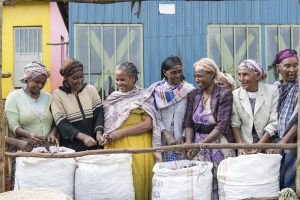
Most women are left out of decision making around the use, ownership and control of land and resources. This violates their right to economic rights including the right to own and control land, food and water. In turn, they can’t earn a livelihood.
There are other forces at play. Unfair tax systems that see large corporations pay low or no tax – even when they make large profits – mean there is less money for governments to put back into public services and social security and to meet the commitments they made on women’s rights. This affects women more than men as they use public services more and are expected to subsidise public services through their unpaid work.