

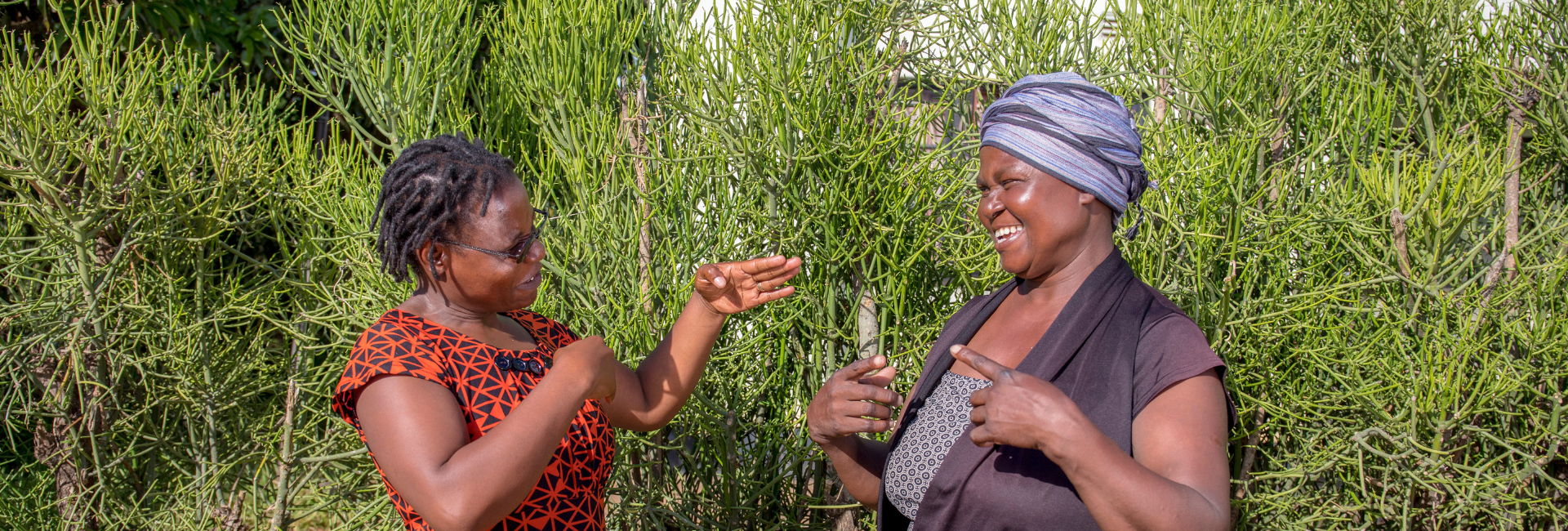

The third cycle of the Movement Strengthening Fund (MSF) was launched in late 2023 and is designed to improve how feminist movements work together so their actions can have a bigger impact. Building on two earlier cycles of learning about flexible grant-making, in 2023/24, we saw the impact that Cycles 2 and 3 have been making.
With their MSF grant, Womankind’s partner Sankalpa in Nepal organised three thought workshops in May and June 2023. 164 emerging feminist leaders from across three provinces in Nepal attended. Sessions focused on a range of topics such as examining and challenging patriarchal structures and biases, intergenerational feminism, intersectionality and LGBTQI+ rights. The sessions helped participants to identify systematic barriers that are often overlooked (such as gender-based violence, discrimination and inequality), to develop intersectional feminist approaches, and to build coalition and alliances. From the workshops, Sankalpa has seen the importance of handing leadership to the new generation so they can apply new practices for positive change.
Our partner Tewa are a Nepali women’s fund and with their Cycle 2 MSF grant, they worked in collaboration with Sangat (a south Asian feminist network) to ensure the experiences and voices of marginalised women were heard. They supported their community of young people to publish blogs on issues which impact women and girls like sexuality, climate change, unpaid care work and gender-based violence. Tewa and Sangat believe that “blog writing is easy and very cost-effective method to help people understand feminist issues and principles” and this is why it is part of their movement strengthening work.
Tewa and Sangat also brought together 95 young people from three districts for workshops on feminism and women’s rights. These shared spaces for collective thinking are a crucial component of any feminist movement. Tewa and Sangat shared that they witnessed transformation in how the young people who took part engaged with feminism. Those who were initially apprehensive about identifying as feminists due to misconceptions, changed these attitudes and beliefs as a result of the sessions.
“We consider this a small but important step towards enlightening the youth about feminism and their rights. Almost all young people shared that they had never participated in this type of critical discussion about feminism and human rights. For building and strengthening our movement, it is crucial we conduct sessions around busting myths on feminism.” – Tewa
In Uganda, National Association of Women’s Organisations in Uganda (NAWOU) used their MSF Cycle 2 grant to bring together 150 women in the Kikuube District of Uganda. including 90 refugee women living in Kyangwali Refugee camp. By doing this, NAWOU created an inclusive, collective and safe feminist space for both Ugandan and refugee women from various diversities for the first time.
In Zimbabwe, Deaf Women Included (DWI) worked to strengthen the participation of women with disabilities within the mainstream feminist movement. DWI did this through consultations, publishing a research paper, feminist advocacy training and interactive feminist dialogue sessions – all with a view to drive and strengthen disability-inclusive feminist organising.
“The creation of disability-inclusive feminist-oriented partnerships drives support and informs social change, which promotes disability activism as an essential aspect of strengthening women’s movements. MSF gave us more room to co-create the feminist movement we want, we wish and we envision. It helped us to go beyond the implantation stage, to truly building relations that are working even now after we have completed the project.” – DWI
Read more about the impact of MSF in Nepal, Uganda, Zimbabwe and Ethiopia.


