Announcing Movement Strengthening Fund (MSF) Cycle 5 grantees
By Womankind Worldwide
Over the last 5 years, Womankind’s Movement Strengthening Fund (MSF) has been investing in the relationships and processes that sustain and grow feminist movements that are inclusive, intersectional, political and caring. You can read all about the work of the fund in the last 5 years in this recently published learning paper.
Womankind is now proud to announce that it is supporting the work of 9 partners across 6 focus countries in their movement strengthening work under MSF Cycle 5 approved in 2025. Below we share this diverse work and look forward to sharing the outcomes in 2027!
Uganda
Freedom and Roam Uganda (FARUG) will use their grant to strengthen relational dynamics, trust, and collaborative leadership within Uganda’s LBQ feminist movement by creating inclusive, healing-centred, and intergenerational spaces that nurture resilience, solidarity, and collective power. They will also seek to strengthen the capacity of LBQ (lesbian, bisexual, queer) womxn and non-binary leaders to use artificial intelligence ethically and effectively for feminist advocacy, leadership, and community empowerment.
Women’s International Peace Centre (WIPC) will deepen the collective care foundation developed during the Women’s Advocacy for Voice and Empowerment project by hosting the ‘Feminist Living Room’. With partners, WIPC will co-create and implement an inclusive and participatory space that responds to the chronic stress and fragmentation experienced by Women Human Rights Defenders across the country.
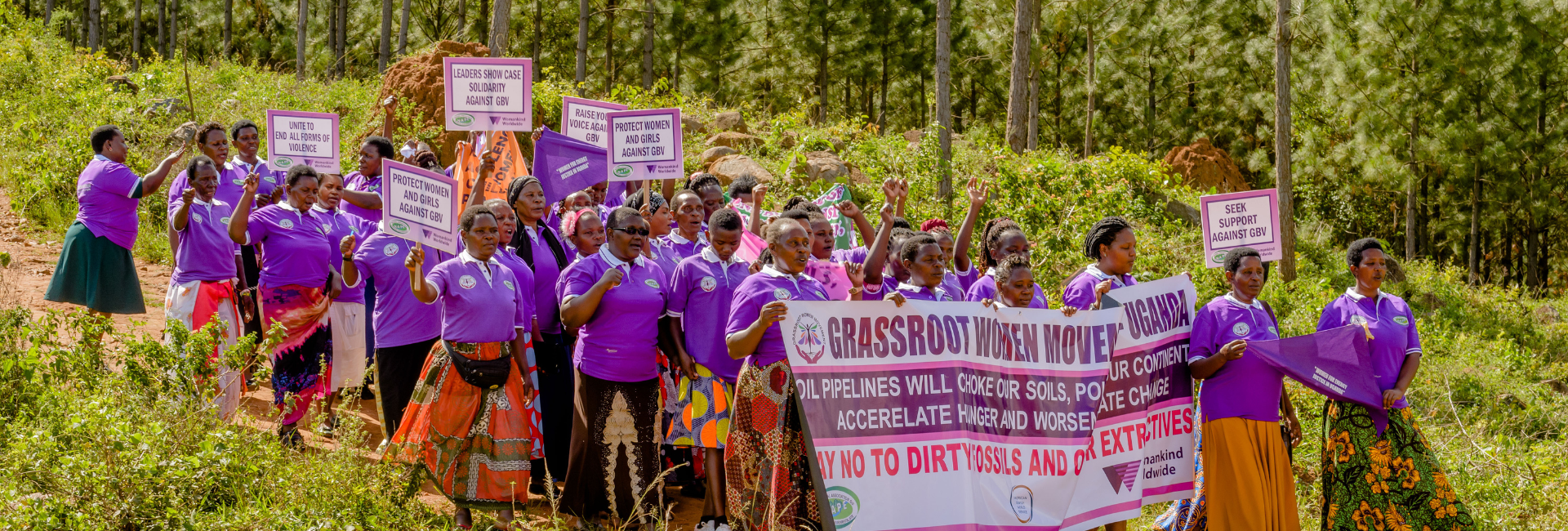
National Association of Professional Environmentalists (NAPE) will use their MSF grant to introduce and strengthen the Uganda eco-feminist movement by empowering a diverse range of women and girls to collectively learn, strategise, organise, defend and resist the impact of the East African Crude Oil Pipeline. They will do this by developing training and visibility materials, provide training to leaders of grassroots feminist groups, and hosting intergenerational learning exchanges and radio talk shows.
Afghanistan
Womankind is working with partners to build the capacity of a diverse group of young women and male emerging leaders across key provinces in Afghanistan, providing them with knowledge on political participation, rights, human rights mechanisms, gender justice, documentation, research and advocacy through a 8-month long Mentorship and exchange sessions with three women groups and movements from South Africa, Iran and Bangladesh.
Zimbabwe
Deaf Women Included (DWI) will use this funding to build on previous MSF grants to deepen transformative disability inclusiveness and the development of feminist-oriented partnerships. Activities will include a participatory strengths and weakness audit of the Zimbabwe feminist movement, intersectionality-focused convenings, knowledge production and dissemination and feminist- oriented digital capacity building.
Pakasipiti will use this grant to 1) analyse how anti-gender movements impact LBQ women’s rights, SRHR organisations, grassroots organisations and gender equality in Zimbabwe; 2) build the organisational and leadership capacity of LBQ feminist groups, women’s rights organisations working on SRHR through training and resource co-creation; 3) facilitate connections between youth and senior activists to promote knowledge exchange and solidarity and create a linking and learning platform 4) co-create and implement strategies to resist anti-gender narratives and advance feminist responses to the pushback on women’s rights.
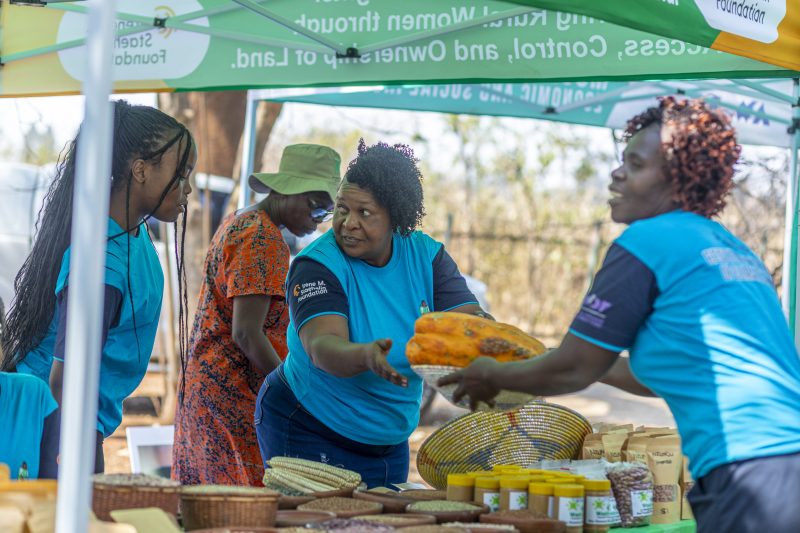
Women and Land Zimbabwe (WLZ) will use their grant to strengthen their Rural Women’s Assembly (RWA) which spans across 28 districts and has over 45,000 members. They hope to make the RWA more intergenerational and inclusive by building on the peer mentorship program between older and younger members as well as hosting regional leadership seminars, and organising a national feminist convening. Their aim is to enhance feminist leadership capacity, foster intergenerational collaboration and embed inclusive feminist principles while strengthening the movement in Zimbabwe.
Kenya
Polycom Girls will use their grant to carry out Phase 3 of their Passing the Baton movement strengthening initiative. This phase will deepen cross-generational collaboration, amplify grassroots actions, and embed sustainable structures for feminist organising across generations and contexts. They will do this by hosting podcast listening and film screening sessions, a three-tiered mentorship programme, the amplification of powerful stories and hosting their Annual Girls Assembly focusing on celebration, wellness and care.
Nepal
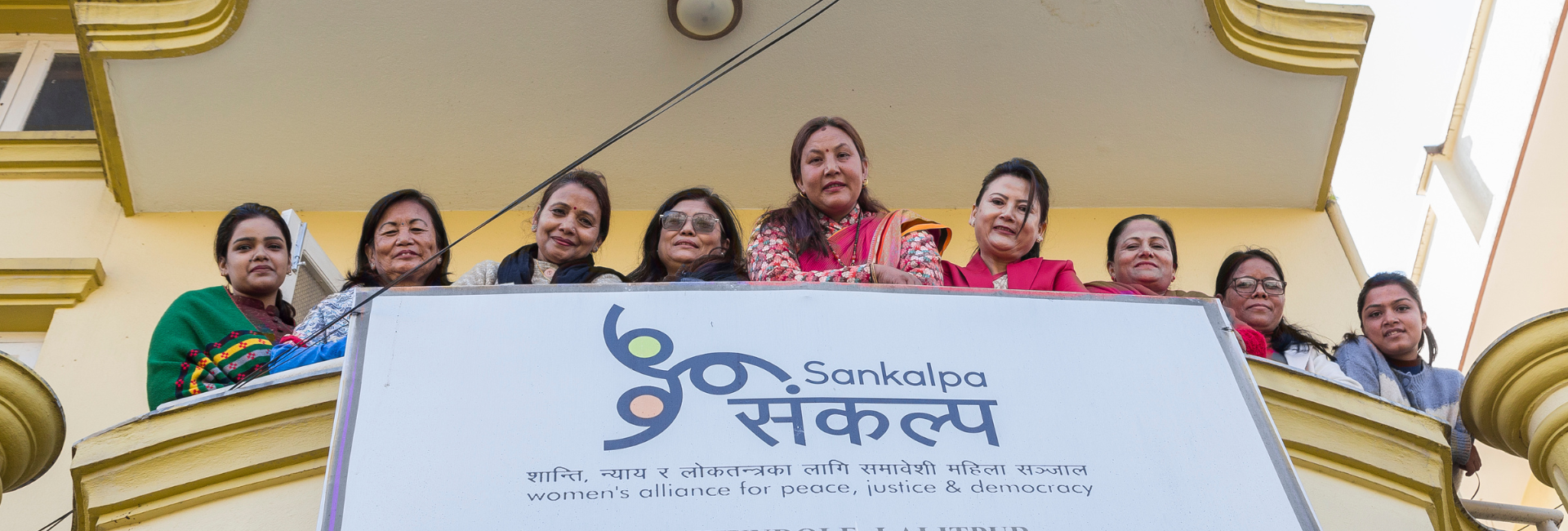
Sankalpa will strengthen feminist organising and build solidarity with grassroots feminist groups to ensure marginalised women leaders are meaningfully represented in the March 2026 elections. They will do this through their provincial committees by having strategic dialogues at a provincial level, consultations with political parties and feminist leadership and movement building training. After the election, Sankalpa will host convenings and orientations with newly elected representatives to ensure women’s political participation is sustained.
Strengthening feminist movements and providing flexible and core funding to them is at the heart of Womankind’s strategy to 2030.
If you feel passionately about investing in stronger feminist movements, please get in touch with Martina Hoggart, Director of Fundraising & Marketing