
What is intimate partner violence (IPV)?
Intimate partner violence (IPV) (sometimes referred to as domestic violence) is one of the most common forms of violence against women and girls. IPV includes physical, sexual, emotional and psychological abuse and controlling behaviours by a current or ex-partner.[1] IPV affects women’s physical and mental health as well as limiting their opportunities to earn and manage their own income. IPV and all forms of violence against women are a violation of women’s human rights.
How common is intimate partner violence?
IPV occurs in settings all over the world and affects women and girls regardless of race, religion, geography or class. Globally it is estimated that 30% of women who have been in a relationship have experienced intimate partner violence. As many as 58% of murders of women in 2017 were carried out by intimate partners or family members and globally these killings are rising.[2]
All women are at risk of IPV, but for women that face further stigma and discrimination due to additional identities this risk is higher. For example, women with disabilities are 2 to 4 times more likely to experience violence at the hands of an intimate partner than women without disabilities.[3] We also know that lesbian, bisexual and trans women are at increased risk of violence.
IPV is part of the continuum of violence that women and girls face throughout their lives, at home and in public, both online and offline. Technology can facilitate IPV online.
Womankind and partners working to end IPV
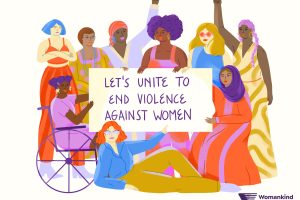
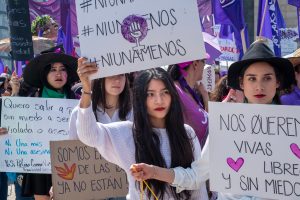
Womankind works with our partners to ensure an intersectional approach is central in addressing all forms of violence against women, including IPV, so that all women and girls can realise their right to live free from violence. We work with our partners to shift power relations and challenge the harmful gender roles, attitude and beliefs that perpetuate and condone IPV. We work with women’s movements because mobilising women at all levels to come together to know and claim their rights, demand access to justice and services such as shelters and safe spaces, and pushing for laws and due process is critical in addressing IPV.
Internationally we advocate for the development and implementation of laws to prevent and respond to IPV, including providing accessible routes to justice for women who have experienced IPV. We continue to advocate for the rights of all women to live free from violence.