International Women’s Day: a call for collective action
By Kavinya E Makau, Policy and Advocacy Manager: Violence Against Women and Girls

It’s that time of year again…
At Womankind, our work centres around supporting women’s movements to address the systemic injustices that women face globally. While dismantling patriarchal systems of oppression is important every day of every year, International Women’s Day is particularly significant because it’s a time to acknowledge how far women’s movements have come, as well as how far we’ve got to go. It’s about exposing the inequalities that still exist, and a time to demand change, collectively – because together we are louder and stronger.
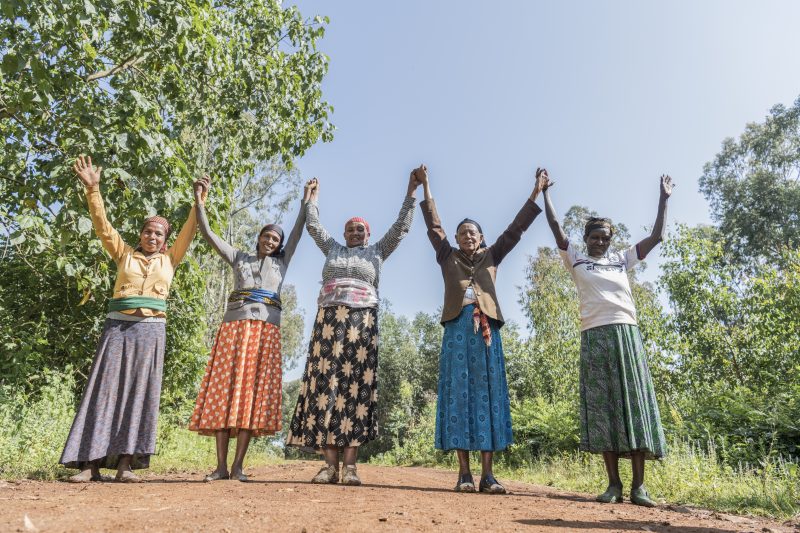
This International Women’s Day, we’re shining a light on the global scale of violence against women and girls. But we also want to offer a vision for a world where all women live their lives free from violence. Read on…
Tackling violence against women and girls
Did you know that 1 in 3 women will experience violence in their lifetime? Or that 137 women are killed by a member of their own family every single day? Worse still, the violence starts early: 15 million adolescent girls worldwide (aged 15–19) have been raped or sexually assaulted.
The stats speak for themselves: violence against women and girls is one of the most widespread human rights violations. Since the COVID-19 pandemic, the problem has intensified: in some countries, reported cases of violence against women have doubled.
It comes in many different forms – from domestic violence and sexual assault to Female Genital Mutilation and child, early and forced marriage. And while every woman is at risk of violence, it affects women differently, depending on factors such as race, age, sexual orientation, disability, gender identity and ethnicity. For example, women and girls with disabilities are 2 to 4 times more likely to experience intimate partner violence than women without disabilities.
“Violence against women and girls is among the least prosecuted and punished crimes in the world.” – UN Assembly
Yet even though violence against women and girls is a global issue, it remains largely underreported and too often unchallenged, resulting in its ‘normalisation’. Or in other words, it’s taken for granted because it’s all too common, and is upheld by personal, family and social sexist values and beliefs in patriarchal societies – a vicious cycle. Then, when it is identified, often it results in victim-blaming and silence. Clearly the system is very broken.
Acknowledging the ways in which different systems of oppression (racism, patriarchy and capitalism, for example) intersect and work together to fuel gender power imbalances that perpetuate violence against women is key to tackling it – and it is this intersectional approach that informs Womankind’s work.
Women’s movements are paving the way for change
But there is hope. While the problem is large-scale, it is not insurmountable. At Womankind, we see first-hand how women’s movements can transform societies and bring about justice. Tackling violence against women is no exception: we believe that the answer lies in women coming together in movements.
The good news is that this is already happening. Determined women across the world are uniting to demand transformative change. Womankind has partnered up with women’s movements in the Global South to challenge harmful gender norms that too often lead to violence. Together with our partners, we are supporting women to speak out against violence and claim their rights. Together we are demanding legislation that protects women and delivers justice.
That’s why this International Women’s Day, we want to send out a message of hope by celebrating the work of women’s rights organisations and women’s movements disrupting the status quo. From providing safe houses for survivors of violence (eg. AWSAD in Ethiopia), to campaigning for changes to discriminatory laws (eg. NAWOU in Uganda), and challenging harmful gender norms (eg. POLYCOM in Kenya), our partners are committed to creating a safer, more equal future for women and girls.
“When women come together in movements, they are a force for change.” – Laura Brown, Womankind Worldwide
Making connections count
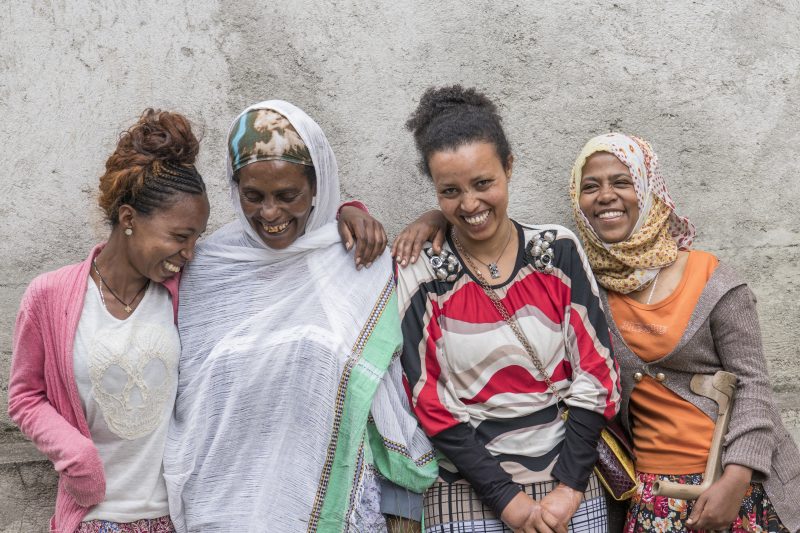
All women deserve to live their lives free from violence. Together with our partners, we call for governments and lawmakers to:
- Recognise, support and strengthen the leadership of women’s rights organisations and feminist movements, including through flexible and long-term financial support
- Invest in women’s economic rights initiatives to promote economic and financial independence and autonomy of women and girls including for survivors and victims of GBV so as to ensure that they informed choices in forming relationships and have a choice to leave abusive relationships.
- Invest in gender transformative education aimed at changing negative social practices used to justify violence against women and girls, and revise curricula to challenge gendered norms and stereotypes that perpetuate gender-based violence
- Enact and enforce comprehensive survivor-centred laws, policies, administrative and socio-economic measures that guarantee protection from, punishment for and eradication of all forms of VAWG.
But it’s not just governments that need to bring about change. We can all make a difference, whether it’s by donating, or simply listening to – and amplifying – women’s voices and stories. Paying attention and calling out harmful gender stereotypes and behaviours.
Why not start by connecting to grassroots feminist movements via our interactive online experience ‘Make Connections’, in honour of International Women’s Day? Through it, you’ll discover the stories of grassroots feminist heroes, and learn what we can achieve when we work together.
You can also raise awareness and share messages of hope via our social media toolkit here.
This is a call for collective action. Together with women’s movements we will change the world. We will shift the power. Together we must unite to end violence against women and girls. Will you join us?