
What is FGM?
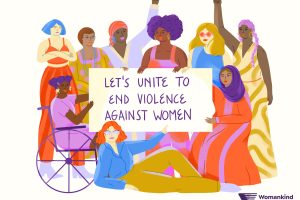
Female genital mutilation (FGM) is a form of violence against women and girls. FGM describes any procedure that involve the injury, partial or total removal of the female genital organs for non-medical reasons. FGM can cause a number of adverse health effects including severe bleeding, problems urinating, infection and complications during childbirth.[1] FGM can cause long-lasting physical, emotional and psychological trauma; and in some cases, death.[2] It is a human rights violation.
How common is FGM?
FGM occurs in many countries and communities around the world and affects women and girls regardless of location, race or religion. Over 200 million women and girls alive today have experienced this form of violence. Every year a further 3 million girls are at risk of undergoing FGM.[3]
Womankind and partners working to end FGM
FGM is prevalent in a number of our focus countries. In Kenya for example, 1 in 4 women aged 15-49 have experienced FGM[4], while in Ethiopia this rise to 65%.[5] Womankind works with women’s rights organisations and movements to raise awareness of harmful traditional practices, including FGM, and to help women rebuild their lives after experiencing violence.
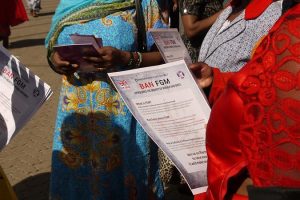
Together with our partners we have supported survivors of FGM to become ambassadors and mentors for others to challenge harmful traditional practices and to raise awareness about the rights of women and girls in their communities. Through training community elders, police and health workers on laws protecting women and girls from violence, we have supported them to work towards eliminating FGM in their communities.
Womankind advocates for an end to all forms of violence against women. With our partners we work to hold governments to account demanding they uphold women and girls’ rights to live free from FGM and all forms of violence as enshrined in international frameworks including:
- The Universal Declaration of Human Rights
- The Convention on the Elimination of all Forms Discrimination against Women
- The African Charter on Human and Peoples’ Rights
- The UN Declaration on the Elimination of Violence Against Women
[1] https://www.who.int/news-room/fact-sheets/detail/female-genital-mutilation
[2] https://www.forwarduk.org.uk/violence-against-women-and-girls/female-genital-mutilation/
[3] https://www.unicef.org/media/files/FGMC_2016_brochure_final_UNICEF_SPREAD.pdf
[4] https://www.28toomany.org/static/media/uploads/Country%20Research%20and%20Resources/Kenya/kenya_country_profile_v3_(july_2017).pdf