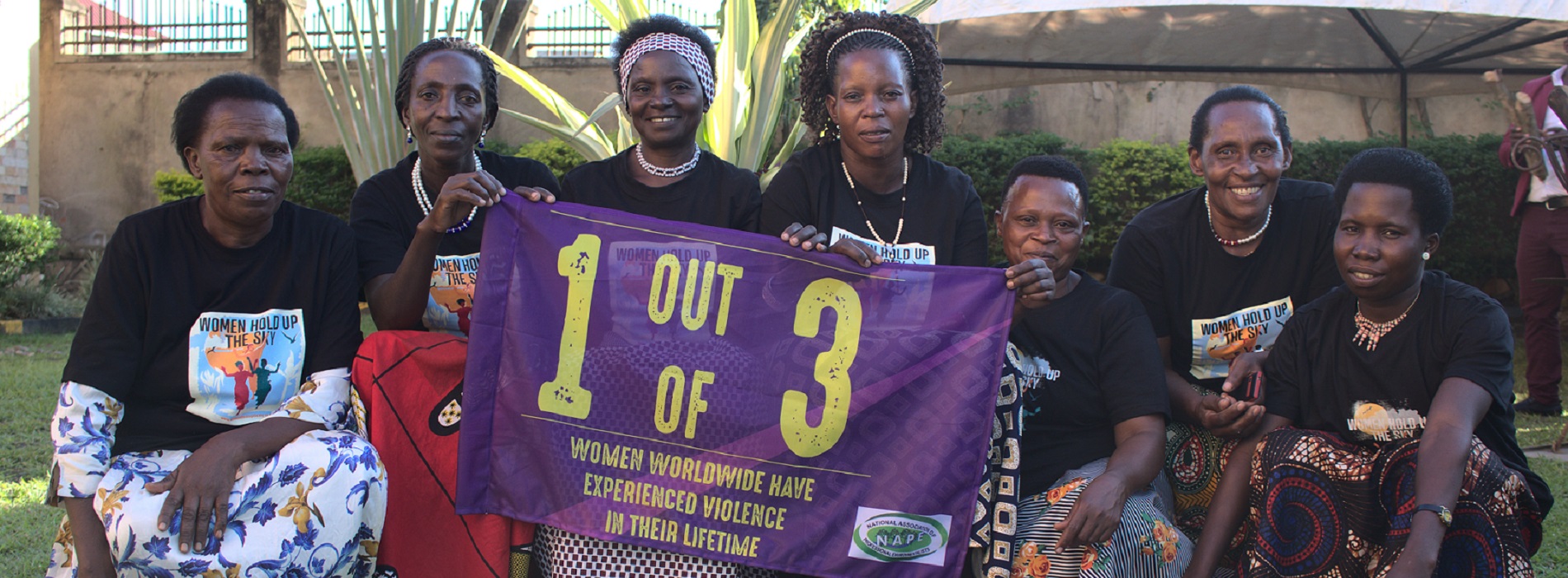

1 in 3 women across the world will experience violence in their lifetime. That’s more than 1 billion women and girls facing physical or sexual abuse. Violence doesn’t discriminate, it affects women of all ages, abilities, classes and backgrounds.
What is 16 Days of Activism?
The 16 Days of Activism raises awareness about violence against women and girls as a human rights issue, focusing on the importance of grassroots work on violence against women as well as providing an international platform for advocacy and campaigning. The campaign starts on 25th November (International Day for the Elimination of Violence against Women) and runs until 10th December (Human Rights Day). The dates for the campaign were chosen to link violence against women and human rights and emphasise that gender-based violence against women is a violation of human rights.
16 Days of Activism is an opportunity to come together with the global women’s movement to call for an end to gender-based violence. More than 6,000 organisations from over 187 countries have taken part since the campaign began in 1991. Originated by activists at the inaugural Women’s Global Leadership Institute, the campaign continues to be coordinated each year by the Centre for Women’s Global Leadership (CWGL).
Eliminating all forms of discrimination and violence against women wherever they live or work
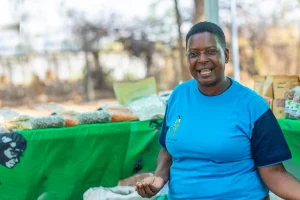
This year the global campaign focuses on women workers in the informal economy. Violence against women and girls in the workplace is a pervasive and persistent problem. It happens in all industries in both the public and private sector and in every corner of the world. Violence disproportionately affects women in the informal sector.
From street vendors and domestic workers to subsistence farmers and seasonal agriculture workers, 61% of the world’s workers are informal workers – 740 million of them are women. In the Global South, 92% of women work in the informal economy. 1 in 25 women worldwide are domestic workers. Informal workers often work without any protection of labour laws or access to social benefits – such as pension, health insurance or paid leave including sick leave. Often informal workers work for lower wages and in unsafe conditions, which increase their risk of experiencing violence.
COVID-19 has exacerbated existing inequalities. Women informal workers have suffered a disproportionate loss of livelihoods and income as compared to men, with less access to social protection to absorb the economic shock. Lockdown measures have increased the threat of violence against women informal workers – both in and outside the home. Informal workers have faced increased levels of state sanctioned violence during lockdowns, with police and security forces using violence to shut down market stalls in Zimbabwe and Uganda.
This 16 Days, we’re demanding governments act urgently to protect women informal workers from violence.
Follow us on Twitter for live updates throughout 16 Days.