
WAVEII is making waves in Uganda’s civic space
Uganda is home to some of the most diverse and progressive women’s movements in Africa that have achieved significant progress in the fight for women’s rights over the last 30 years.
However, following the latest anti-LGBTQ law, the civic space is now getting more restricted, affecting women’s rights organisations and silencing the voices of women’s rights defenders and feminists.
Further, these drawbacks have significantly impacted the day to day lives of activists thus reducing opportunities for feminist organizing and safe spaces where they can meaningfully engage.
Through the Women’s Advocacy for Voice and Empowerment through Inclusive platforms in Uganda (WAVE II) programme, feminists in Uganda are taking a radical approach to strengthening the movement in response to the current tidal anti-rights wave. Now on its second phase, WAVE is building a solid foundation focused on various approaches: centring the voices of partner organisations, prioritising self-care and wellness, building transformative leadership of women’s rights activists and inclusion of marginalised constituencies.
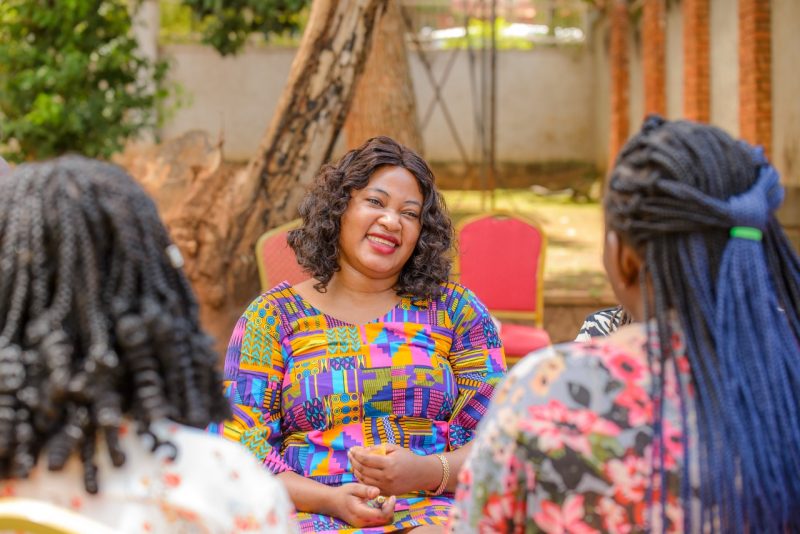
In these stories, we spotlight feminist voices that are making a difference in Uganda’s women’s rights movement through the WAVE II programme. They are creating safe spaces for all women and girls and shaping a shared agenda for change that advances women’s rights.
Gloriah Del* works for Freedom and Roam Uganda (FARUG) – Africa’s oldest LBQ organisation now on its 20-year mark since its founding. She joined the LGBTIQ movement while still in university where she interacted with the first anti-LGBTIQ Bill as it was being introduced in parliament in 2009.
As part of the advocacy work FARUG was conducting, she was mobilised as a volunteer to engage university students and educate them about the dangers of the anti-LGBTIQ Bill before its passing. This marked her entry point into Uganda’s women’s movement through the Uganda Feminist Forum- an autonomous space that brings together feminist women.
As a queer feminist she’s had to navigate harmful stereotypes and narratives against sexual and gender minorities but is adamant on continuing with her work especially at such a time like this.
Why WAVE exists
It exists as a platform to empower marginalised women to engage in different spaces where decisions are made by believing in themselves and demanding for their rights.
‘’ I recognise that I am a woman first, and all issues affecting other women also affects me regardless of my sexuality.’’
FARUG’s niche in WAVE
FARUG brings radical organising through sisterhood, choice and dignity. This has influenced learning for WAVE partners in issues such as women’s bodily autonomy and greater understanding around sexual orientation, gender identity and gender expression.
‘’This has awakened perspectives such as a woman can be queer and have a disability at the same time and vice versa.’’
Addressing the closing civic space by creating safe spaces and opportunities for women to come together
Women are the biggest carers but also the most marginalised. The closing of the civic space in Uganda affects women’s rights pushing back years of feminist progress in the inclusion of women across all societal fronts.
Creating safe spaces ensures women are empowered, have recognition of their rights and can hold our country accountable to its gender equality commitments.
WAVE has a unique approach in intersectional feminist thinking
Before WAVE, I struggled with channelling my own intersectionality to understand marginalisation; how it unpacks in a typical women’s rights space and the various diversities that exist including for LBQ women, women with disabilities and rural-based women. This has expanded my thinking around intersectionality and how it weaves differently in such spaces by recognising privileges and accommodating diverse voices in the space.
Every woman has something happening in their lives that is similar to another woman. Intersectionality helps women to feel safe, be heard, relate and build a sense of belonging.
WAVE’s approach to wellness, selfcare and transformational feminist leadership
Traditionally women have had the biggest burden of care- unfortunately inheriting intergenerational trauma of placing others first while pouring from an empty cup. We need to unlearn patterns of trauma through selfcare and wellness. Simply put, there should be joy in everything we do, and these elements fill that cup.
Transformational feminist leadership is about breaking the chains of patriarchy by modelling alternative forms of leadership, mentoring younger women and opening spaces for all women in their diversities.
< View all stories