United in times of crises: Womankind Worldwide’s response to the COVID-19 crisis
By Bridie Taylor
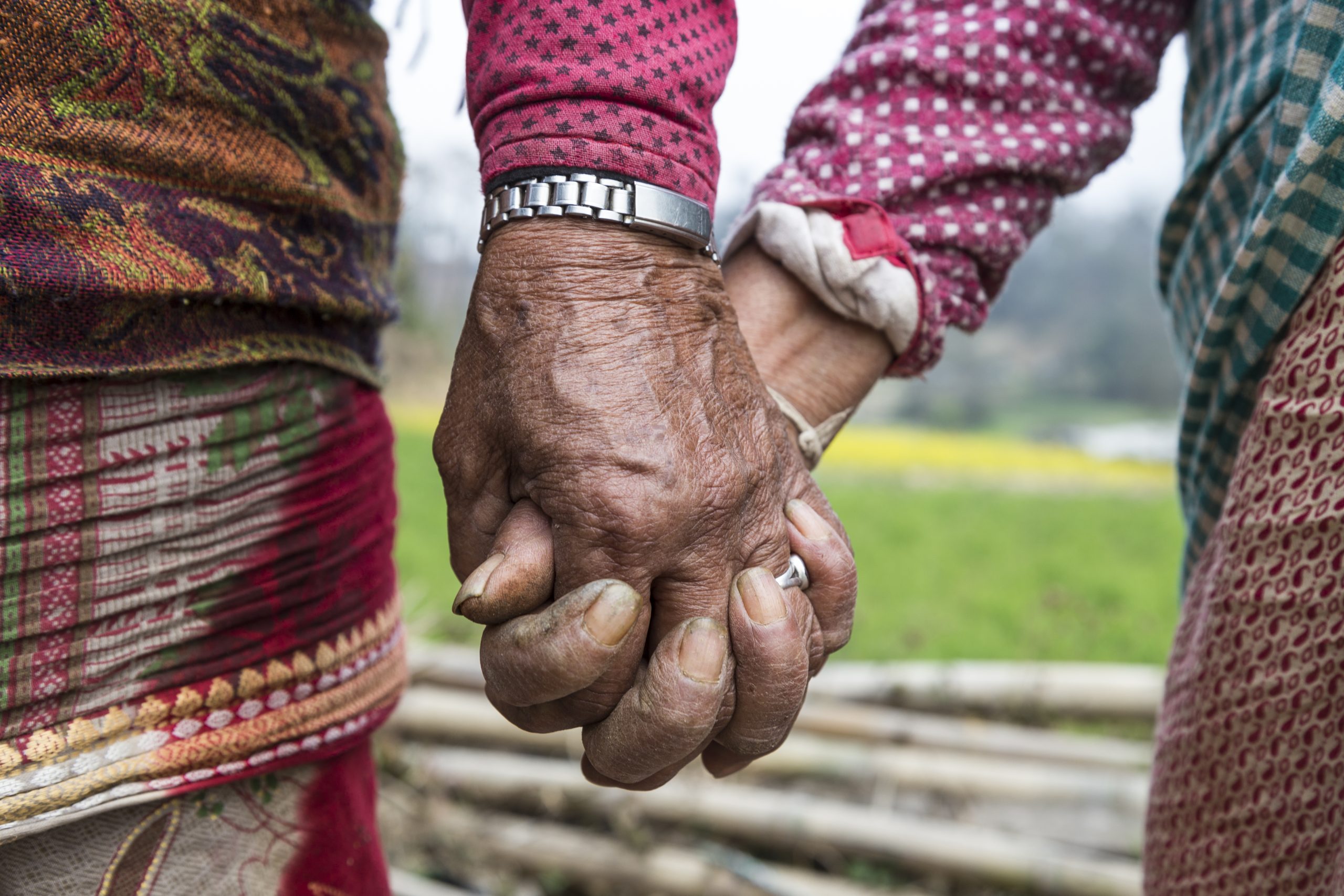
Firstly, Womankind Worldwide hopes that you and your loved ones are coping as best you can in these difficult and unsettlingly times. Where ever you are in the world, the current COVID-19 crisis presents ever evolving challenges and uncertainties. As we’re bombarded with daily death tolls and grapple with very real concerns for our friends and families’ wellbeing, we’ve had to adapt to significant and often extremely demanding changes. For Womankind’s partners and women’s rights organisations in the Global South, this is especially true, where the crisis is further compounded by issues such as food insecurity, limited access to healthcare, lack of stable internet access and police brutality used to enforce to lockdown measures.
Beyond the virus: women bearing the brunt
Many of the problems that Womankind and our partners exist to overcome are being exacerbated by the COVID-19 situation and the most marginalised are being the hardest hit. No country is immune or unaffected by the ‘shadow pandemic’ of violence and abuse against women and girls. According to the United Nations Population Fund every three months of lockdown could result in 15 million more cases of domestic violence than would typically be expected. Womankind partners providing safe houses and shelters for women survivors of violence in Ethiopia, Nepal and Zimbabwe have reported higher demand for their services.
From London to Lagos, women are bearing the brunt of the economic fallout of the current COVID-19 crisis. As schools close and health systems are overloaded, care for children and sick relatives largely falls to women who are already performing over three quarters of unpaid care and domestic work. Across the globe women are more likely to work in precarious and low paid jobs, providing critical services with no secure income or social protections, such as street vendors or domestic workers, making it challenging for women to meet families’ basic needs. For example, 80% of women across Uganda rely on day-to-day informal labour to support their families.
Exacerbating existing inequalities
For the three billion people in the world without access to running water such as those in the Global South or Indigenous communities, the hand washing advice is seen as a conversation among the privileged. Access to reliable and accessible information itself is not equal, especially for people with disabilities, illiterate people, and people living in rural areas. For example, Womankind partner National Union of Women with Disabilities of Uganda (NUWODU) report that government directives and guidelines are not inclusive nor considerate of people with disabilities and there have been cases of those with disabilities having been penalised for not adhering to public health restrictions. LGBTQI+ people are also at risk, for example in Uganda there are reports of police using COVID-19 as the reason to arrest 23 people during a raid on a shelter for homeless LGBT youth in Uganda.
Towards a new world order?
Evidently, the COVID-19 pandemic is affecting women differently to men. A gendered and intersectional response to the crisis is therefore critical. Governments must consider the specific risks and vulnerabilities girls and women face due to deep-rooted inequalities. Response efforts need to take into account intersecting forms of discrimination and marginalisation so that nobody is left behind in our emergency responses. To successfully achieve this, it’s crucial that women across the globe have an equal voice in the decision making of the response and long-term impact planning, including meaningful engagement of women’s rights organisations and movements. This will only be possible if the global community increase resourcing, in particular flexible funding, for women’s rights organisations, to both enable them to engage in the response, as well as to continue their essential work, such as promotion of public information, support for survivors of domestic violence and legal aid, which is needed now more than ever.
The COVID-19 crisis is being aggravated by a current economic model that is characterised by huge levels of injustice and inequality between countries and individuals. We are now witnessing the fallout of a model that values profit over human security and undervalues the contributions made predominantly by women through unpaid and domestic work. A model that negates the responsibility of the state in providing public services for all. For years, feminists and women’s rights organisations have sounded the alarm to the adverse impact of corporate power on human rights. Many governments’ emergency measures have taken policies from the previously impossible to the necessary. And we now have an opportunity. The post-COVID world order must work towards building systems that support the most vulnerable, strengthening the role of the state and meeting its human rights obligations, recognising and revaluing care, and addressing inequalities.
The road ahead: building resilience
So, in the face of this unprecedented challenge, our partners in Africa and Asia need our support more than ever and the crucial work of Womankind must go on. Womankind remains fully functional and has shifted from our office to work as a virtual organisation. We continue to work in support and in solidarity with our truly inspiring partners in the Global South. We are in regular contact, supporting them to assess the risks and adapt their work as necessary. For example, we have supported partner Polycom Development Project to provide staff with PPE and provide sanitary towels and hand sanitiser to the 1,000 girls they work with on a regular basis. We are intending to set up a resilience fund to support partners’ vital relief efforts. We are also advocating at an international level for gender responsive plans.
Times are tough. But the risks and opportunity have never been greater. When Patrisse Cullors, one of the founders of Black Lives Matter, described the movement’s mission to “provide hope and inspiration for collective action to build collective power to achieve collective transformation, rooted in grief and rage but pointed towards vision and dreams”, she reminds us that grief and hope are not mutually exclusive. This has never been truer.
In strength and solidarity,
Womankind Worldwide
For more information on how the COVID-19 crisis is disproportionately impacting women and girls around the world, visit our information pages here.