Interview with an activist: Thandiwe Chidavarume in Zimbabwe
By Thandiwe Chidavarume
Celebrating the vision, strength and resilience of rural women
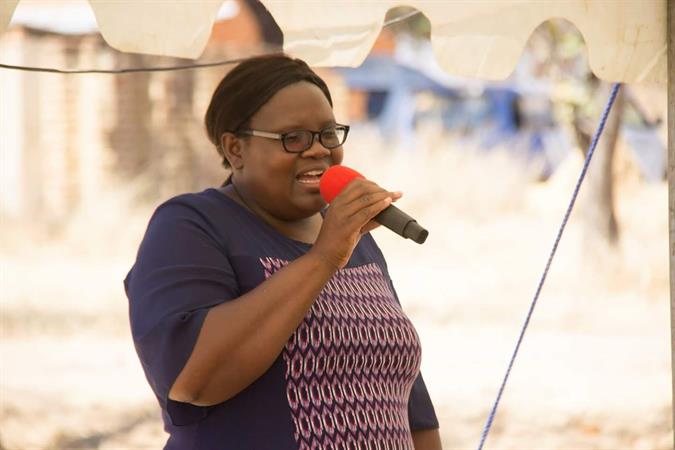
On 15th October, International Day of Rural Women, we honour the strength, resilience and achievements of rural women, including indigenous women. Globally, women represent around 43% of the labour force in agriculture and are overwhelmingly tasked with making sure there’s food on the table. Despite providing this critical labour, women have less access to and control over land, choice of crops and income from agriculture. The struggle to realise women’s economic rights is fundamentally linked to access and control over land and other productive resources.
Thandiwe, why and when did you get involved with women’s struggle for land rights in Zimbabwe?
Growing up in a rural area, I witnessed the challenges my mother was facing with regards to access, control and ownership of land. My mother would toil on the land but my father would take credit for the crops thriving and would make decisions on selling and on how to spend the income. It would be my father’s decision that would always prevail at the home, even on what to grow and when to grow.
My mother would have to beg for a piece of land to grow small grains, which she needed to put food on the table for the family. Instead, my father would want to grow cash crops like soya bean and tobacco. These dynamics were not only taking place in my family – I noted that all women in the community were facing the same predicament and similar challenges with their husbands.
What does Women and Land in Zimbabwe do? Why is it needed and why do you feel it is important?
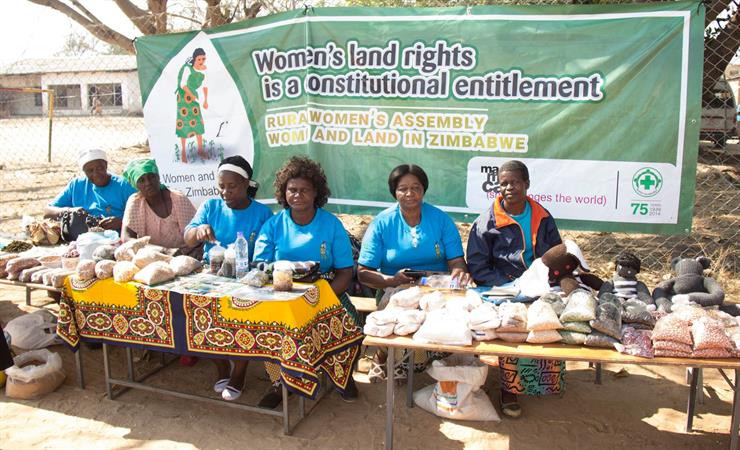
WLiZ fights for women’s right to land and natural resources and women’s participation in decision making at all levels.
What does feminism mean to you?
What has been your proudest moment at work?
What are the major issues WLiZ is working on at the moment?
We are currently working on a campaign to mobilise women in rural assemblies under the banner of ‘one woman one hectare’. Only through finding each other in safe spaces and through collective actions can women overcome fear and build their capacity to influence for change. We continue lobbying for policy and legal reform. Lack of resources and a relatively closed space for civil society, as well as the economic crisis affecting the country, continue to be challenges but we are heartened by rural women’s strengths.
Next year, governments from around the world will sit down at the Commission on the Status of Women, at the United Nations in New York, to discuss issues affecting rural women. What is your message to the government of Zimbabwe and other governments?
We would like to tell the government to recognise women as workers on the land and to make sure support programmes for farmers cater to women’s needs. We also want full implementation of the 2013 constitution to ensure women and men have equal access to land and other resources, including equal representation in decision-making structures.
Another important issue for us is around extractive activities: women’s right to land needs to be protected from land grabbing by mining companies. It is also critical for the government to support home grown strategies to adapt to climate change, which presents huge challenges for women farmers.