Is it ‘freedom yet’ for Africa’s Maputo Protocol?
By Jill Anami

As the year 2023 draws to a close, it is essential to recognize and honour the importance of this year for women and girls in Africa, particularly in commemorating the 20th Anniversary of the Maputo Protocol. Two decades ago, African countries joined forces to take a significant stride forward in empowering women and girls by embracing the Maputo Protocol, which aimed to prioritise and amplify their diverse voices. The Protocol accelerated Africa’s journey towards women’s rights and has been the benchmark of various legal frameworks and policies that protect and promote gender equality in the continent.
20 years later since its ratification, African countries have taken steps to fight against patriarchal and negative social norms including gender-based violence in all its ways and forms by modifying their laws to eradicate gender-based discrimination, while others are introducing new legislation to align with the principles outlined in Article 4 of the Maputo Protocol.
Zimbabwe for example, has implemented legal reforms to protect women’s rights including criminalizing child marriage, under the Domestic Violence Act (2007) and the Criminal Law (Codification and Reform) Act (2004). Similarly, Ethiopia has made notable progress in the women’s rights movement with the passage of the Criminal Code Amendment of 2005, which criminalizes harmful traditional practices such as female genital mutilation. These laws aim to address gender-based violence and protect women’s rights.
In line with Article 9 of the Protocol, African states have also strived to increase women’s representation and participation in decision-making roles through affirmative action resulting in more women occupying positions of power in politics, business, and other sectors, which is crucial for addressing gender imbalances and promoting women’s rights. The Kenyan Constitution of 2010, for instance, mandates that at least one-third of all public positions be held by women in public institutions. This has led to improved women’s representation in parliament and other decision-making bodies. Additionally, Kenya has done well in its Access to Government Procurement Opportunities law that facilitates women owned businesses to participate in government procurement.
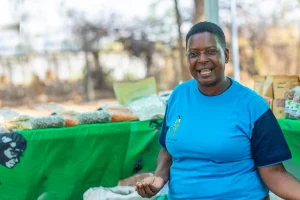
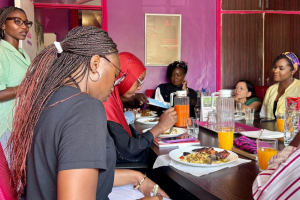
Today, marginalised women and girls are making remarkable progress and are now serving as advocates for positive transformation towards eliminating all forms of discrimination against women and ensuring their full access and inclusion to various services such as education opportunities and comprehensive health information and services across the region.
”They continue to break the glass ceilings and societal restrictions that hindered them from reaching their maximum potential and are now striving to guarantee that the upcoming generation enjoys equal or even greater opportunities.”
Article 8 of the Maputo Protocol, which highlights the crucial principle of equality under the law not only reiterates the equal standing of men and women but also emphasizes the importance of states revising discriminatory laws and practices to safeguard women’s rights such as land ownership, justice, and equal pay. In Uganda, for example, steps have been taken to strengthen women’s land rights through legal reforms, such as the Land Act (1998) and the Land Amendment Act (2010). These laws recognize women’s rights to own and inherit land. And finally, a special recognition to women’s rights organisations, civil society and key stakeholders who have upheld the Maputo Protocol and its vision in the continent through the implementation of various grassroots, national and regional projects, and accountability systems. Indeed, the Maputo Protocol has served as a symbol of optimism, representing the shared dedication to safeguarding the rights of all women and girls throughout Africa.
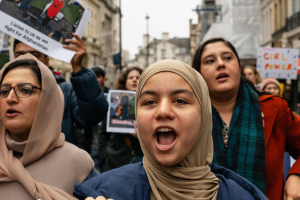
Despite the commendable efforts to protect women and girls, there is still work to be done to further advance the objectives of the Maputo Protocol as it is evident that many African states still lag in reforming discriminatory laws. Systems continue to be de-sensitized on gender-responsive laws, structures, and programmes that protect women and girls in all their diversities including access to free and fair justice. Gatekeepers of culture and religion deny women their rights to bodily autonomy, while governments refuse to fully implement Article 14 of the Protocol, enhancing the barriers to access information and services, and hindering the promotion of gender-sensitive laws and policies.
Beyond the efforts made; female genital mutilation and early and forced marriages are still prevalent in many African countries. The reality for women in conflict situations remains dreadful with increased cases of gender-based violence and displacement with limited accountability measures and inadequate implementation. Poverty across the region continues to widen gender gaps in the economic, social, and political landscapes. In addition, women’s political rights are still undermined with no proper measures put in place to protect women from various forms of violence in the political scene. Ultimately, only 44 States have ratified the Maputo Protocol and without its universal ratification, implementation, and domestication, it is impossible to fully advance gender equality in Africa, more so breathe life to the African Union Agenda 2063 and actualization of the UN Sustainable Development Goals.
As the year 2023 draws to a close, we celebrate the achievements made in the last two decades since the implementation of the Maputo Protocol. But we must be cognizant of the specific areas that require more self-examination regarding issues that harm the rights of women and girls, regardless of their diverse backgrounds. It is important for us to reaffirm our dedication to the principles outlined in the Protocol, by promoting gender equality and enabling the empowerment of women. This way, we not only honour the past but also lay the groundwork for a more promising and fairer future for all women and girls Africa.
”Aluta continua!”
Jill Anami is a Policy and Advocacy Officer at Womankind Worldwide.