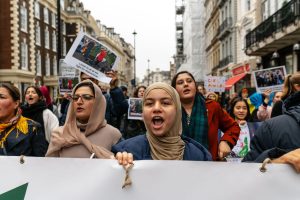
The reality for women in Afghanistan
Heightened Surveillance: “The Maruf Are Everywhere”
The PVPV law has intensified the presence of the morality police (Amr Bil Maruf) in public spaces, increasing surveillance. Afghan women describe a constant, suffocating fear of being stopped, interrogated, or punished, not just by police, but by neighbours or community informants.
The law encourages ordinary people to report perceived “vice,” leading to deep mistrust and isolation.
“Every day there is so much control about hijab and mask… They stopped me and asked – why is your hijab so thin?”
– Woman, 20, Bamyan Province
“Even within my family we are not talking about these meetings or [our] work. Some people are also doing this [spying] for very little money. Poverty is the reason.”
— Woman, Central Afghanistan
“We were having a women-focused activity… Maruf was invited by the community to check. They saw 50 women… The house owner and community elders were investigated.”
— Male NGO worker, Eastern Afghanistan
The Economic Burden
The PVPV law has had a devastating impact on family finances. With women banned from most jobs and men facing underemployment, households are struggling. Women’s economic exclusion has led to both financial hardship and loss of status at home.
Another challenge Afghan women face under Taliban rule is the requirement to have a mahram—a close male relative such as a father, brother, husband, or adult son; to accompany them when travelling. In today’s context, this rule not only limits women’s freedom to move around but also forces them to depend on male family members for even basic activities. The mahram requirement makes job access even harder. For many, a lack of a male escort is a challenging barrier.
“Before the Taliban came, I had a voice. I was the breadwinner. Now I share my ideas and they say – ‘You don’t have authority anymore.”
— Woman, Herat Province
“If I get a job, two people will have to work for one salary. When will my brother work to support us, if he keeps accompanying me?”
— Woman, Nangarhar Province
“I fear being forcefully married… for the sake of financial burden lessening.”
— Woman, 25, Badakhshan Province
Intersectional Impact
PVPV enforcement is harsher for ethnic minorities. Hazara, Tajik, and Uzbek women—and those who worked with the previous government—face targeted repression.
“Taliban is following the Republic government employees… My nephew was arrested twice because of me and my position.”
— Former court judge, now in exile
“I live in my neighbour’s house with my two young children. My husband is missing, and I have no income.”
— Woman, Kabul
Women with disabilities, women-headed households, and internally displaced families suffer deeply due to restricted mobility and discrimination.
Impact on Family Dynamics
The PVPV law polices men, too. Men are punished for shaving or wearing “Western” clothes. If a woman in their family breaks a rule, male relatives are punished—often publicly.
This has intensified tension in households. Many men, already under stress, become stricter with women.
“If a man shaves his beard, he will have his hair cut in public, which will damage his dignity and honour.”
— Woman, Nangarhar
Children growing up in this environment are absorbing these gender norms, rooting a new generation in the cycle of control and inequality.
Community Perception and Resistance
Initial hope that the Taliban might govern differently has vanished. Public frustration is growing, though protest remains rare due to fear of violence and arrest.
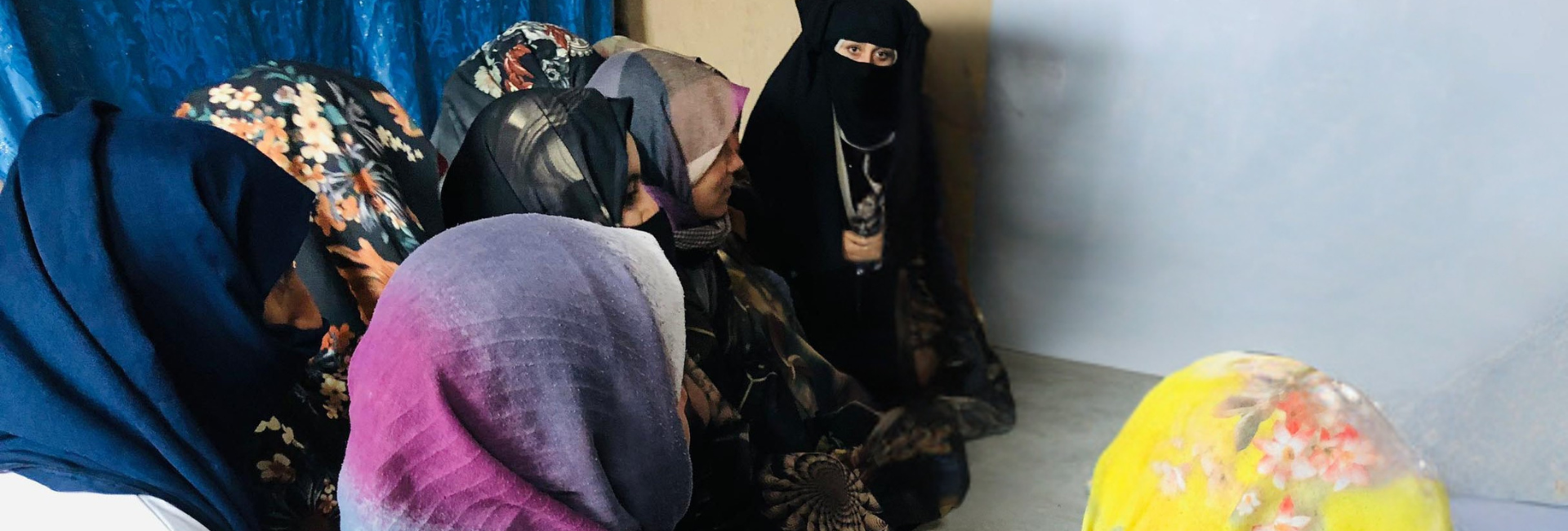
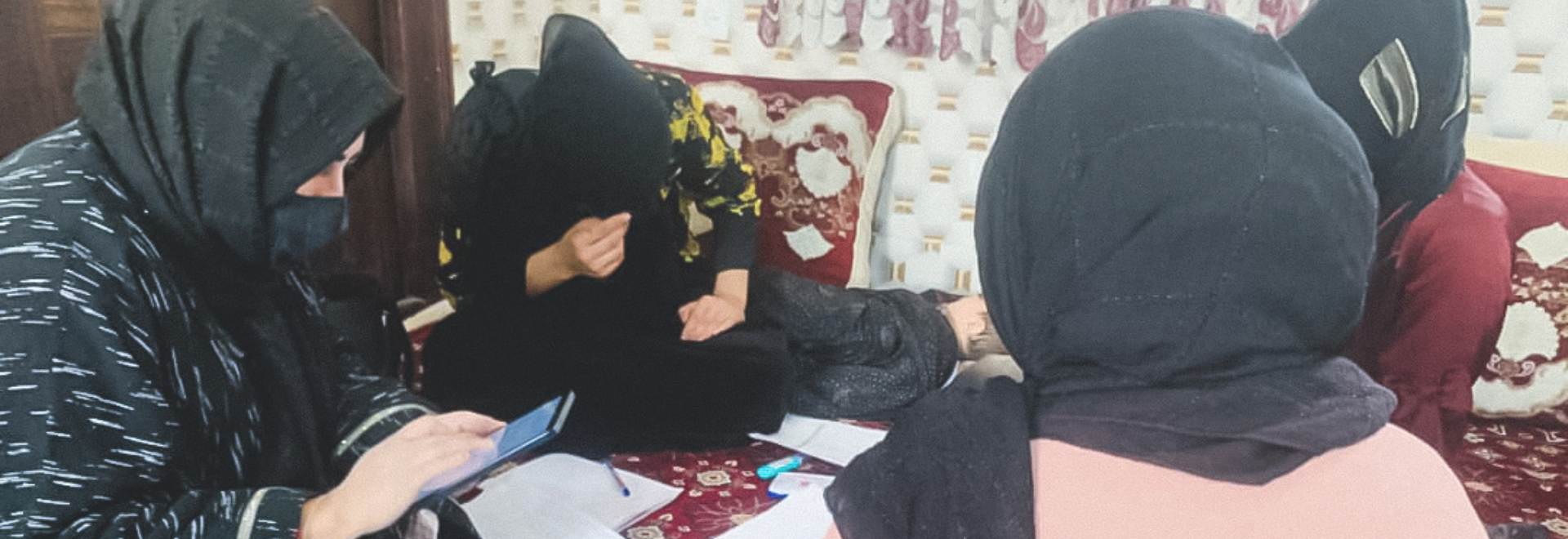
Still, quiet resistance persists. Women form secret networks, organize digital workshops, and share information discreetly.
“I try to remain cautious, but I collaborate with my friends to organise small gatherings and raise our voice online—even if it’s risky.”
— Shabana, Southern Afghanistan
“There are some education centres in public spaces, where girls are going… But some science subjects are taking place in hiding, in people’s homes.”
— Woman, Kabul
Mental Health
The compound effects of surveillance, financial strain, isolation, and fear have led to a silent mental health crisis. Women report depression, anxiety, and hopelessness.
Simple pleasures—music, festivals, friendships—have been criminalised, and seeking support is difficult due to fear of exposure or punishment.
“My daughter was studying midwifery. When it was banned, she came home depressed. She did not eat for many days and felt hopeless.”
— Woman, 51, Baghlan Province
“I feel like I am no different from uneducated people. I cannot work. My place is stagnant. I am at the same place, with no job and no rights.”
— Shabana, Southern Afghanistan