How can we be allies to the Afghan women’s movement?
By Disha Sughand, Interim Co-CEO
I am sure you know what the situation in Afghanistan is like right now. Like me you’ve read about it online, heard about it on the radio and may well know Afghan people who have shared this with you. It’s been quite a litany of events in the aftermath of the Taliban rule.
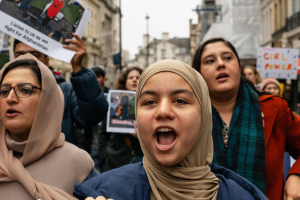
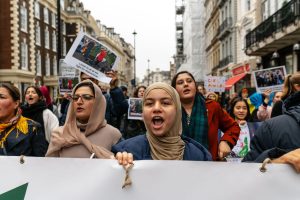
Since taking power in August 2021, the Taliban have rolled back women’s rights in virtually every area. Girls’ secondary education has been postponed indefinitely, women are barred from attending university and banned from the workplace. Women hold no cabinet positions in the de facto administration and the Ministry of Women’s Affairs has been abolished. Women are being erased from society and deprived of their most basic human rights. The Taliban takeover remains one of the most brutal assaults on freedom we’ve seen in our time.
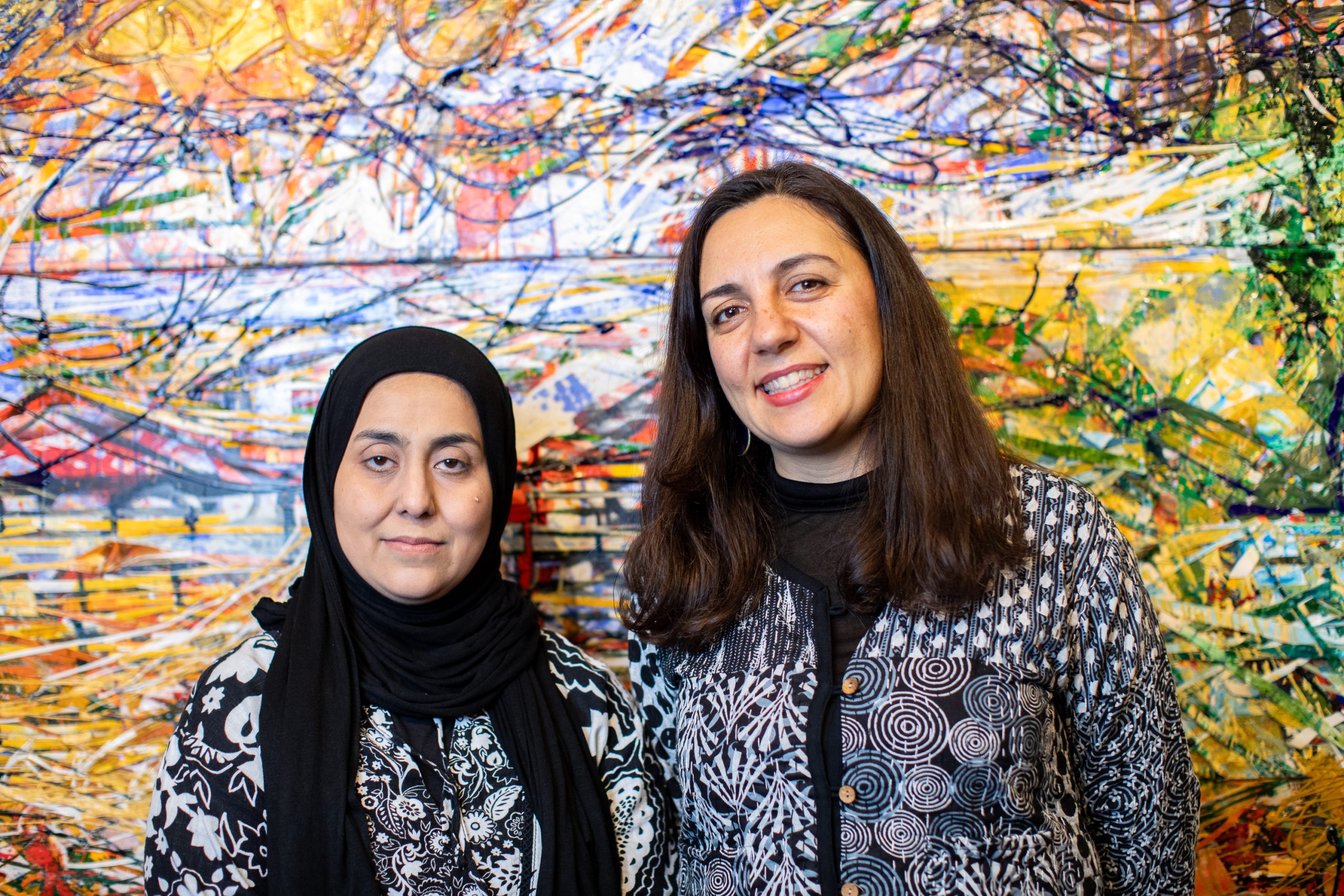
Sometimes it seems almost unbelievable that this is the reality for Afghan women. When I read about this, I feel distraught, and I think there is nothing I can do about this injustice – and so I stop reading. But then I speak to my colleague Maryam Rahmani, an Afghan woman leader, living in exile in the UK and I remember that this is not an option. Forgetting about Afghan women or thinking we can’t influence change is exactly what the Taliban want us to do.
Womankind Worldwide hosted an event last week where Maryam spoke candidly with journalist Ladan Anoushfar of CNN’s As Equals– a series focused on revealing what systemic gender inequality looks like around the world highlighting issues such as the reality of Afghan women and the women’s movement two years into Taliban rule. She shared what being banned from the workplace means for women’s mental health and their livelihoods and what being barred from secondary school and abject poverty means for rates of child marriage.
But she also shared how women are continuing to come together, to support each other and to organise – through the limited number of women’s rights organisations that are still functioning in some way in Afghanistan. And if Afghan women can find a way to be resourceful and hopeful in the face of such adversity then the least, we can do is stand in solidarity with them.
How you stand in solidarity will depend on who you are. For Womankind Worldwide, standing in solidarity means working on a strategy to support the survival of the women’s movement in Afghanistan. It means supporting Maryam and other Afghan women leaders in exile to attend and influence policy spaces so they can challenge the international community not to ignore Afghan women in their dealings with the Taliban. It means being flexible about the type of funding and support we offer Afghan partner women’s rights organisations, understanding that this is an extraordinary situation needing an unusual response.
- If you are an individual, please keep seeking out stories of Afghan women and think about one or two things you can do in your daily life. Whether it’s signing up to an online campaign to support Afghan women or writing to your member of parliament to improve how your country is treating Afghan refugees or donating to an organisation that works with Afghan women. Please don’t forget about Afghan women despite where the media attention has gone or goes next.
- If you are a decision maker or working in the private sector, is there a way you can make the engagement of women a condition of humanitarian aid, trade or political negotiations? Women’s human rights have deteriorated over the last two years and at the moment there is no incentive for the Taliban to improve women’s human rights.
- If you are an INGO that used to work in Afghanistan and has paused your work, can you think creatively about supporting Afghan women during this time by working with partner women’s rights organisations or in the neighbouring countries? What are other organisations doing to stand in solidarity and can you work with them?
- If you are a funder, can you think about how you could fund and support Afghan women’s rights organisations flexibly with what they need to ensure their survival? They most likely won’t be able to meet your requirements for a project proposal, a theory of change, a logistical framework or your reporting guidelines. Is there another way to make this work?
‘’Afghan women’s stories and experiences are not being shared. That is why the international community should make sure Afghan women are invited to and have a seat at the table and refuse to engage in forum’s where this isn’t the case. Women participation should be non-negotiable and a priority condition not an option.’’ Maryam Rahmani
Now is the time to use your power to make sure we don’t forget women in Afghanistan. Thanks to Maryam for reminding me of this.
Womankind Worldwide and the Women’s Regional Network (WRN) will be launching a report on 7 December at the House of Lords in the UK which documents the unheard voices of women in Afghanistan. To find out more sign up to our e-newsletter