Pakasipiti – a place for LBQ women in Zimbabwe to replenish, re-energise and connect
By Pakasipiti and Womankind
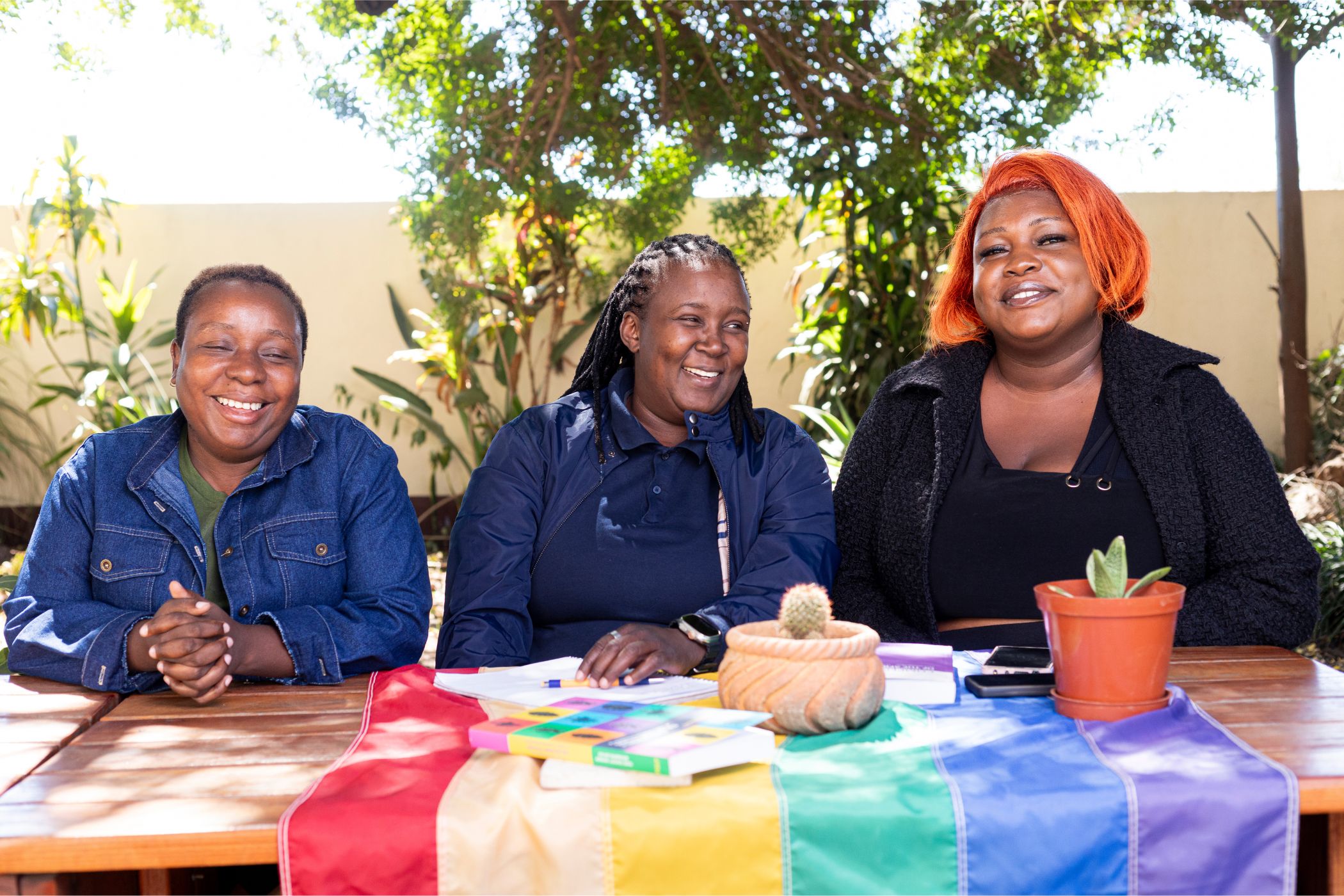
‘Kasipiti’ means spring in Shona, a place of replenishment, rejuvenation and hope in an otherwise dry and hostile environment. Pakasipiti, which translates to ‘at the spring’, is a feminist organisation that defends the rights and issues of queer women in Zimbabwe. A place for LBQ women to replenish, re-energise and re-organise.
This Pride Month, we celebrate Pakasipiti and all the work they do for LBQ women in Zimbabwe. Patience Mandishona, Director and Nomthandazo Tshuma, Wellness Officer at Pakasipiti spoke to us about the current context for LBQ women in Zimbabwe and how Pakasipiti are providing them with a holistic and safe home.
A safe space for queer women
“Our work centres on raising the voice and visibility of queer women in Zimbabwe. As one of the founding members of Pakasipiti, it was really out of anger that we started the organisation. We started formally organising 10 years ago and this came from the fact that, for the longest time we were fighting for spaces as queer women. There were no safe spaces to come together and no support or funding. Because of this, we decided it was time to find our own voices and our own space where we can speak, organise, start mobilising for the rights of the LBQ community in Zimbabwe and find our own agency.” – Patience
“Our work has always been grounded in feminism and organising around movement building but it was important for us to look at the bigger picture. As a result, we have shifted to look at advocacy, economic justice, collective healing, wellness and wellbeing.” – Patience
“We are based in our Wellness Centre where psychosocial support is at the centre of our work. We have a dedicated psychologist for community members and provide health referral and legal services too. In our space we hold trainings, workshops and programmes for the community, and we offer the space to other LBQ organisations. Our Centre is there for the community members themselves and we have set it up so that if they just want to come and sit, have informal conversations, have a coffee, read a book or speak to a therapist, they can.” – Patience
The everyday context for LBQ organisations
“Just like for any other Zimbabwean, living is intense, it’s pretty hard. We are all facing our economic challenges, hardships and a whole lot of other challenges but the LBQ community face an additional layer of challenges. Simply existing as an LBQ person is not only hard, but it’s perceived to be against some of the laws in the Constitution. We are constantly facing stigma and discrimination as an LBQ community in our workplaces and in educational institutions. We also face an increased risk of violence and harassment in public. As LBQ organisations, we face exclusion in the women’s movement spaces also.” – Nomthandazo
“A lot of the challenges or from an organisational perspective, are trying to fight patriarchy and dominance within spaces as LBQ women. We find this generally but also within the broader LGBTI community itself.” – Patience
A voice for the community
Pakasipiti’s holistic work spans many different areas of direct support, advocacy and movement building for LBQ women.
“We were the first organisation to form for LBQ women outside the broader LGBT+ movement in Zimbabwe. Our work is important because initially it gave voice to a lot of LBQ people and organisations, and it is about the linkage and the intersectionality that we bring to issues around women’s rights. Our work does not only look at our rights as queer women or just place us within the components of gender-based violence or health. We advocate for the active participation of women within Zimbabwe, for example, for women in land, leadership and political participation as a queer woman in Zimbabwe.” – Patience
“My hopes and dreams for Pakasipiti are to see young voices and activists pushing their agenda and being able to take on the space. For me, it’s about mentorship and growing young feminist leaders coming to the forefront and organising in creative and different ways.” – Patience
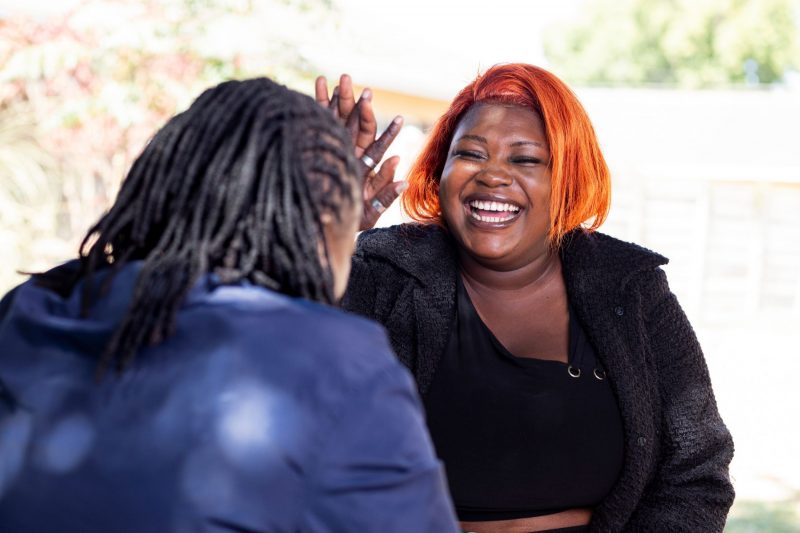
Taking pride in Pakasipiti and the community
“This Pride month I am celebrating resilience. We’ve been able to be here for a long time and managed to keep being here. It’s not easy and there are lots of challenges, especially organising in Zimbabwe. We are dealing with economic hardships and with a lot of things mentally. It’s not just about your work because a whole other part of you is trying to survive. I celebrate still being able to be here and still continuing to create the space for the community and how more LBQ women are coming together joining our platforms and spaces.” – Patience
Finally, Patience and Nomthandazo leave us with these messages:
“I want to speak around the book, ‘What’s the Point of Revolution If We Can’t Dance?’. My message for Pride is yes, the revolution is there and it’s happening. But let’s dance along the way and enjoy it.” – Patience
“I think there is a lot wrong with the world that you’re living in but there’s nothing wrong with who you are. So be proud of who you are.” Nomthandazo
From supporting Pakasipiti to hold intergenerational conversations through the Movement Strengthening Fund (MSF) and to advocate for LBQ rights through Her Voice fund (HVF), to them now being one of Womankind’s Strategic Grant Partners, we invite you to join us in celebrating Pakasipiti this Pride Month and beyond.