
“I believe my success in Parliament was made possible due to the CARE project”
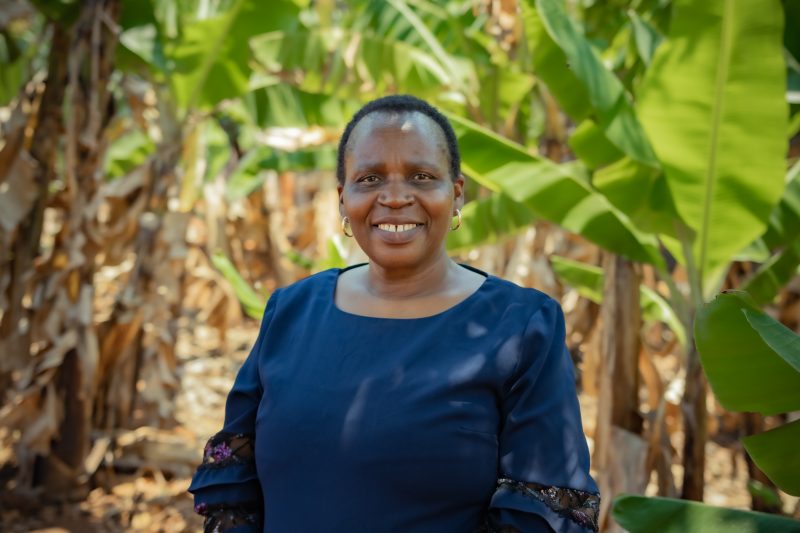
Honorable Chido Madiwa is 55 years old and from Honde Valley, Zimbabwe. During her term as a Member of Parliament for the Mutasa North constituency, she was supported by Women’s Politics Support Unit (WiPSU) and Women’s Coalition of Zimbabwe (WCoZ) through the Collection Action to Realise Equality (CARE) project. This built her capacity as an MP and she managed to change major laws in Zimbabwe.
A journey into leadership
I was born, raised and educated in Honde Valley, Mutasa North constituency, Manicaland Province of Zimbabwe. My late father had six wives. I don’t know how he managed to make a polygamous family work, but we were one united family. Out of the 4 children from my mother, I am the 2nd but the 5th born of 33 children from the bigger family. We were from the white garment sect, a religion that encourages child marriage. They believe girls are just born to get married to old men, but my father was very strict with our upbringing. He didn’t want anything of that sort. He was a teacher, so he made sure to sit with us every day and encourage us to finish school. He really worked hard to send us to very good schools and because of that, he was excommunicated from the church.
I went to the University of Zimbabwe for my undergrad, worked in government, did my Master’s at Africa University and another Master’s degree in the United States. I am now a single mother of three and a grandmother to a beautiful baby girl who just turned four.
Because of my background, it was my wish to help other girls who are disadvantaged, that’s why I joined the Ministry of Women’s Affairs working in the women’s affairs department in 1993. After 20 years I decided to do something different but still in the line of helping women and girls. That’s when I joined politics and became the member of Parliament of this constituency.
Change was needed
Growing up in Harare, I would see women face a lot of problems especially due to lack of economic resources. This led them into early child marriages. Women were not able to send their children to school, couldn’t access good healthcare and there were issues of access to water. We have rivers but you needed to walk 5 kilometres to fetch water for farming and household needs. Also, in schools, children had to walk long distances to go to school and this could be used as an excuse to put girls out of school, justifying it’s far away from home. These issues motivated me to become a member of Parliament. I wanted to be in a position where I would make a change.
I started working as a member of Parliament in July 2017. While at it, I was appointed as a chairperson of the Portfolio Committee on Women which placed me in a position to do what I always wanted to do – making and changing laws at a higher level.
With the assistance of WiPSU and WCoZ, I believe my success in Parliament was made possible because of the CARE project which supported me to do what I thought was not possible. It gave me confidence as a new person in Parliament. I didn’t know what to say and I would get opposed by men who would start shouting when I would stand to move a motion.
In my term, we managed to change some laws. We changed the child marriage’s consent age from 16 to 18. There was the law of protection of children born outside marriages that was taken on board and we also introduced the minimum mandatory sentence for rape of 15 years.
We initiated this law together with WiPSU and WCoZ. It went through public hearings, then to Parliament and I was shocked when they said it is now law. I was so happy.
Women should be leaders
Through the CARE project, WiPSU and WCoZ gathered women in Harare including prominent women and those who wanted to be leaders. We had workshops where they helped clarify the role of Parliament and what to expect from its members. They trained women on leadership and encouraged them to know that they can also be leaders or councillors. I also benefited because I would learn about the different needs of women in my constituency, and I would know what to table in Parliament.
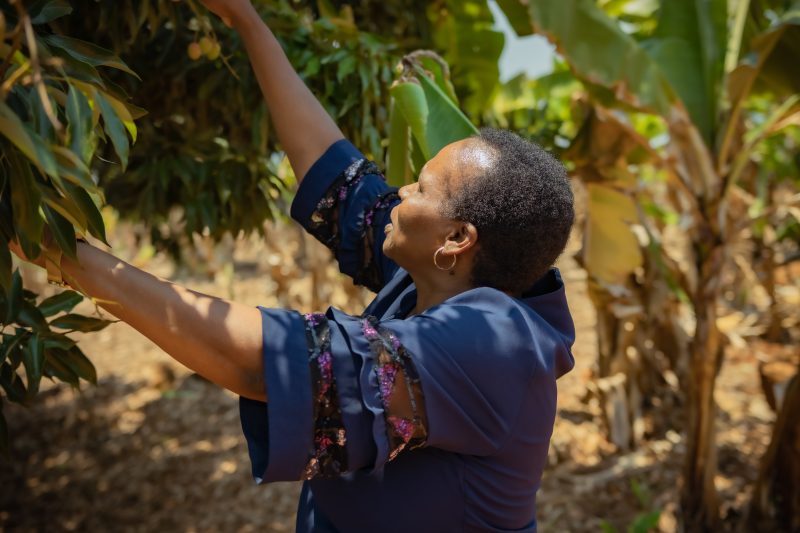
As a woman in leadership and a mother, I know the pain other women go through and therefore in my decisions, I centre women and their needs. I know what my constituents need. As an example, I built a banana factory that will employ women and also provide a place where they can bring their farm produce without walking long distances.
I didn’t get to achieve all that I wanted during my term because of the pandemic. I lost my seat in the next election but that doesn’t deter me. I will run again. My hope is to see prosperous women who can make their decisions. Women benefit more when it’s a woman in leadership. That’s my belief and I have witnessed that. So, my vision is for women to make informed decisions and to go for these positions themselves.
< View all stories