
“I see other women being transformed through my role as a mentor”
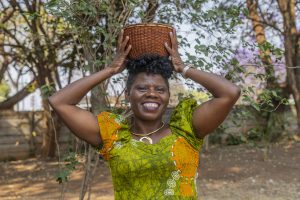
Sheila Mbiza is 51 years old and is from the Mwenezi district of Mashonaland Masvingo Province in Zimbabwe, close to the South African border. She is a single woman with two children and three grandchildren and is part of the Rural Women’s Assembly (RWA), a movement created by Women and Land in Zimbabwe.
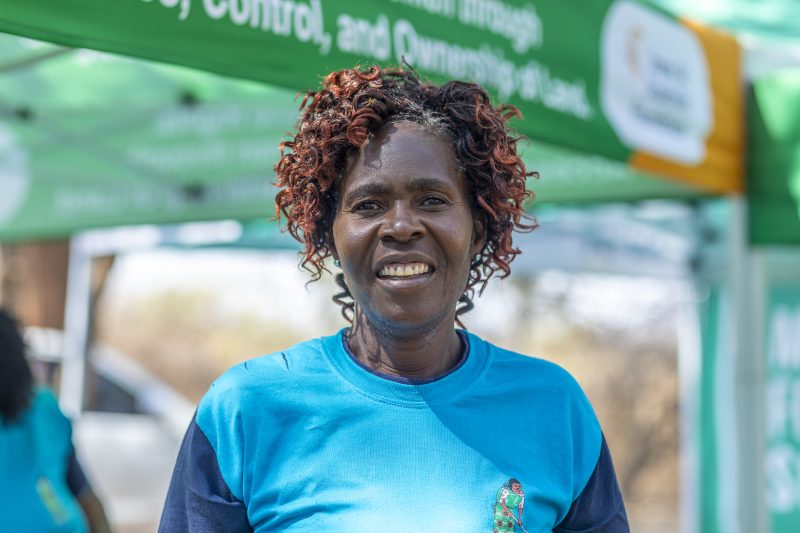
“I’m a farmer. Mashonaland, Masvingo Province is one of the driest and warmest regions, so we grow a lot of small grains like Sorghum, Rapoko, Millet. I am the leader of my community garden, leader of the Paprika Growers Association and a mentor.
In September 2022, I started to hear about Women and Land in Zimbabwe (WLZ). They introduced us to the Rural Women’s Assembly (RWA) and doors were opened. Before they came to our place, we had only a small garden where we used to take our water with buckets. And there were many crocodiles in that river. But now, we no longer use buckets, we’ve got drip irrigation and taps.
The support of the collective
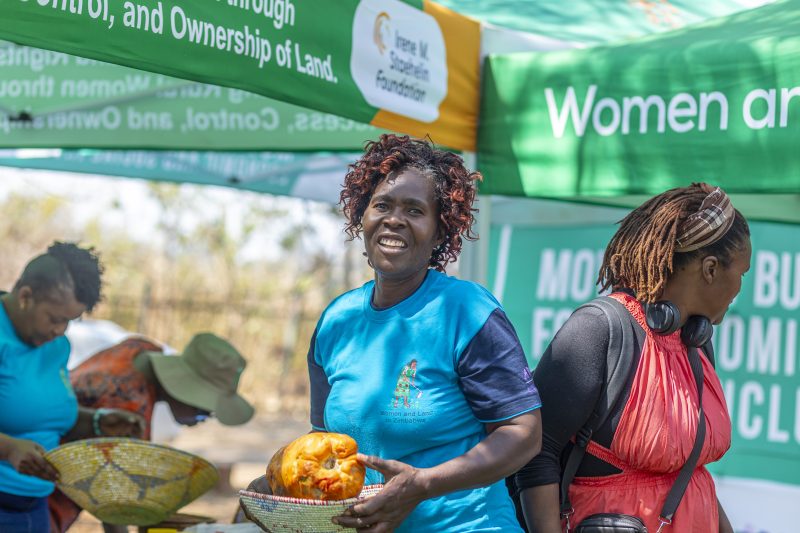
“WLZ came and constructed a seven-hectare garden for us, where we plant and grow paprika, beans, vegetables and nutritious food for our families. We also supply a nearby boarding school with beans, green vegetables and cabbages.
Before WLZ came, we were looked down upon by other members of the community. Because of our society, being a single woman means you are not regarded as someone who’s very important in the community. You’re being labelled, all sorts of ways. Also, men didn’t understand that women can be leaders. I’m the chairperson and leader of the garden and men were not happy about this. There are 53 women in the garden and we have 36 people supporting it. They didn’t like it.
WLZ told us about leadership, through transformational leadership trainings and a talent boot camp. In Nyanga, I’m a mentor and I’ve got a mentee. Through RWA, I started to realise that women can take leadership positions and be leaders. But before that, we didn’t have knowledge and didn’t have confidence to participate in any decision-making platform or spaces. I’m very happy I can defend myself, stand for myself and now I know my rights.
I also became a mentor through RWA. I enjoy my role because I am imparting knowledge through teaching other women in their communities. I see other women being transformed through my role as a mentor. I’m very happy that I can help other women so that our children can go to school and have food on the table.”
Collective voice of a movement
“It’s very important for any woman to be part of the Rural Women’s Assembly. The three pillars of Rural Women’s Assembly are solidarity, empowerment, and voice. When you become a part of Rural Women’s Assembly, you now feel for each other. You can now help each other as women and with collective voice. Whatever challenges we are facing, whatever inequalities, injustices, we are facing as a movement, you’ve got collective voice. Now we are being empowered in making decisions, participating in different platforms and knowing our rights. Now we are a business, we are selling paprika, we are getting money, we are selling small grains, poultry, all those things. We learned all of that through being part of the Rural Women’s Assembly movement.
The key issues that rural women face is access to land, the recognition of traditional seeds and the recognition of farmers rights. We are losing our seeds every day. The traditional seed is our life and they are resilient to climate change. But multinational corporations are using these seeds and making hybrid seeds to sell in commercial markets and these do not survive well in dry areas. If we don’t take bold steps in advocating for our traditional seed, we will end up losing them.
One thing I like about the movement is that we accept any woman. Whether you are a widow, disabled, or any other expansive category, you can be part of the movement. That’s one unique thing about the movement. From RWA, I hope to see many women being empowered, through trainings, interaction and education. There are some areas yet to be reached and I hope that the movement expands to reach all women across all of the districts.”
< View all stories