

Sharing Power with Partners in 2024/25
27 October 2025
By Womankind Worldwide
By Womankind Worldwide
In Afghanistan, partners are continuing to operate under the Taliban ‘Vice and Virtue’ Order which has rolled back 20 years of progress on women’s rights. Despite the risks, Womankind is advocating for the inclusion of Afghan women in political decision making and supporting partners in Afghanistan to continue to operate.
From April to October 2024, Afghan Women’s Network (AWN) provided vocational training to 32 women in Deh Sabz, Kabul. The training not only offered the opportunity for women to build their skills, but created a safe space for them to connect, build confidence and create support networks. The women became AWN members which ensures they will be included in information sharing circles.
As another form of resistance, Farageer interviewed 200 women across Afghanistan and powerfully compiled their stories in their Har Taraf Maruf report, funded and supported by Womankind. Farageer is using the report for high level advocacy including at a launch event at CSW69 in March 2025. The event created a rare space for direct engagement between Afghan women (inside the country and in exile) and UN representatives, diplomats and international allies. The event spotlighted lived experiences of women in Afghanistan and made a powerful call for recognition of gender apartheid, urgent protection mechanisms, and inclusion of Afghan women in decision-making at all levels. Farageer reaffirmed the vital message that Afghan women must be heard, not spoken for: their insight and leadership are critical to any meaningful path forward. Advocacy is continuing into 2025/26.
In Uganda, the Anti-Homosexuality Act was upheld by the Constitutional Court in April 2024. The act criminalises consensual same-sex relations, with punishment of up to life imprisonment or even the death penalty for “aggravated homosexuality”. As a LBQ organisation, Freedom and Roam Uganda’s (FARUG) staff and community are facing direct, personal risks. But they are continuing to find ways to operate. FARUG were evicted from their office and had to close their sexual, reproductive and mental health drop-in centre. A Strategic Grant from Womankind enabled them to buy a van, which they now use as a mobile office, hospital, therapy centre and meeting room.
“This van can suffer! It does everything! It moves stuff around. We use it to work together or meet. It’s taking people to health centres. We use it for emergency response. If people have been attacked, you can go pick them up. If they need medication, you can take it to them.” Gloriah, FARUG
FARUG have also felt sustained by the self and collective care culture that we have built through WAVE I and II over the past six years. This intersectional movement strengthening project brought together six Ugandan partners to create a sustained culture of collective care. Women’s International Peace Centre (WIPC) led sessions on wellness and how to integrate wellness into their organisational systems and practices. FARUG reported that all WAVE partners reached out to them with love, support and solidarity through very difficult days when the Anti-Homosexuality Act was upheld. Offering this solidarity comes with risk for our Ugandan partners but highlights how important collective care is for sustaining feminist movements.
In Kenya, devastating floods hit in early 2024. In solidarity, Womankind launched an emergency appeal and re-allocated part of Her Voice Fund to the response. We sent £35,000 of emergency funds to seven partners and feminist groups (Young Women’s Leadership Institute, Utu Wetu Trust, ICA Foundation, Feminist for Peace Rights and Justice Center (FPRJC), Coalition for Grassroots Human Rights Defenders (CGHRD), Badili Africa and Zamara Foundation). Partners used these funds for diverse grassroots interventions, including:
Womankind has taken lessons from this work that are now feeding into our future grantmaking strategy, around the need for more long-term, flexible funding.
Our response to these polycrises reinforces Womankind’s commitment to sharing power and resources with partners. Across the examples we see that cultivating influencing opportunities, holding space for adaptability and learning, and flexible, trust-based grantmaking supports our partners to navigate challenges as they evolve.
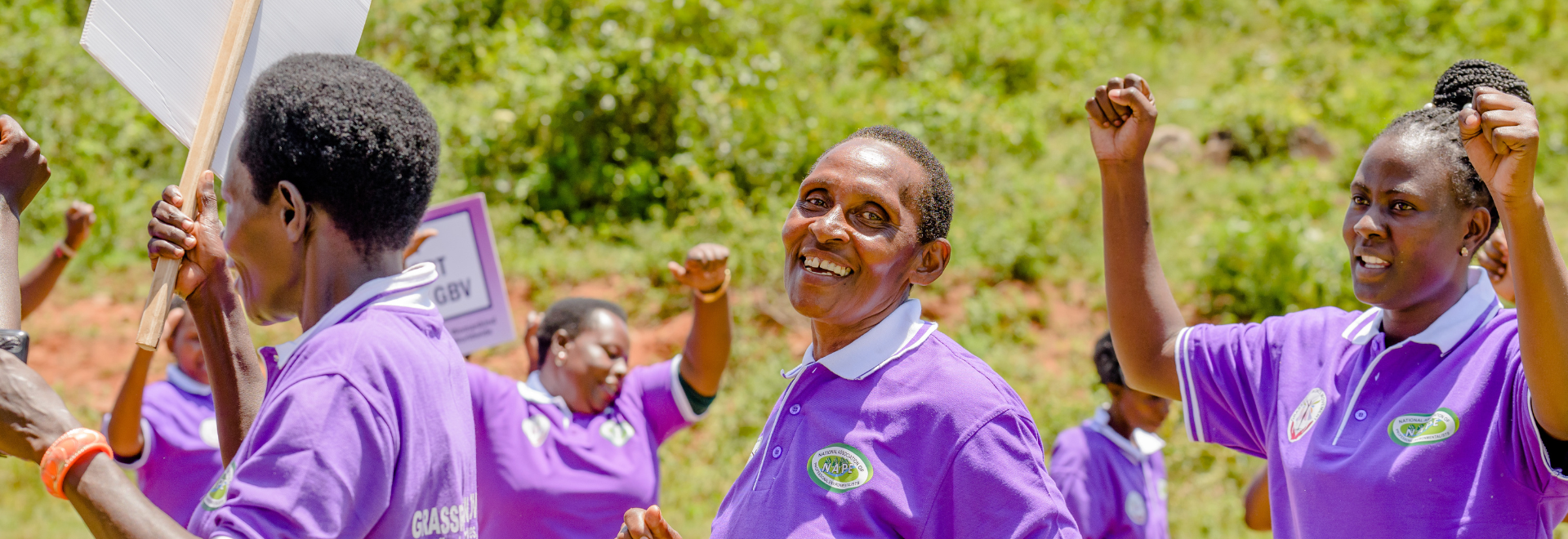
Womankind’s Movement Strengthening approach focuses on not only grant making through our flexible funds but creating learning spaces for partners too. In 2024/25, Womankind offered another learning space in its ongoing Movement Strengthening webinar series (which started in 2023). The webinar focused on movement strengthening in crisis and brought in speakers from across the world working in a variety of feminist movements. We also asked what partners would like to learn about in the future. Partners told us that they want to prioritise learning on feminist storytelling, cross-movement alliance building, self and collective care and digital security. These sessions are currently being planned.
Through analysis of learning on Movement Strengthening Fund (MSF) grants across all the rounds, we have learnt about new movement strengthening themes that partners are implementing which go beyond Womankind’s movement strengthening theory of change. These include:
We will publish a paper with this learning in 2025/26.
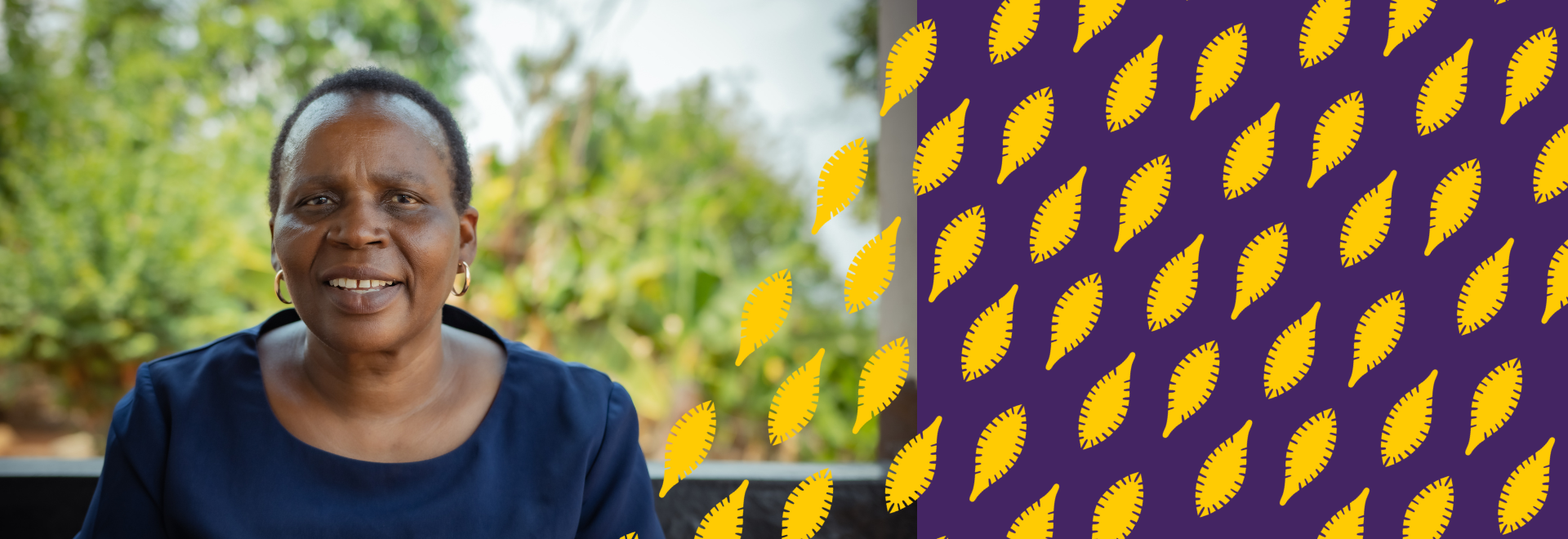
Honorable Chido Madiwa is from Honde Valley, Zimbabwe. During her term as a Member of Parliament for the Mutasa North constituency, she was supported by Women’s Politics Support Unit (WiPSU) and Women’s Coalition of Zimbabwe (WCoZ) through the Collection Action to Realise Equality (CARE) project, in partnership with Womankind and funded by Comic Relief. This included workshops on leadership opportunities, the role of Parliament and expectations of MPs, as well as the needs of constituents. These activities helped Hon Madiwa identify the priorities of women in her community, and informed her legislative agenda.


