The UK’s new digital IDs is a new avenue for tech-facilitated gender-based violence
By Sally Gift
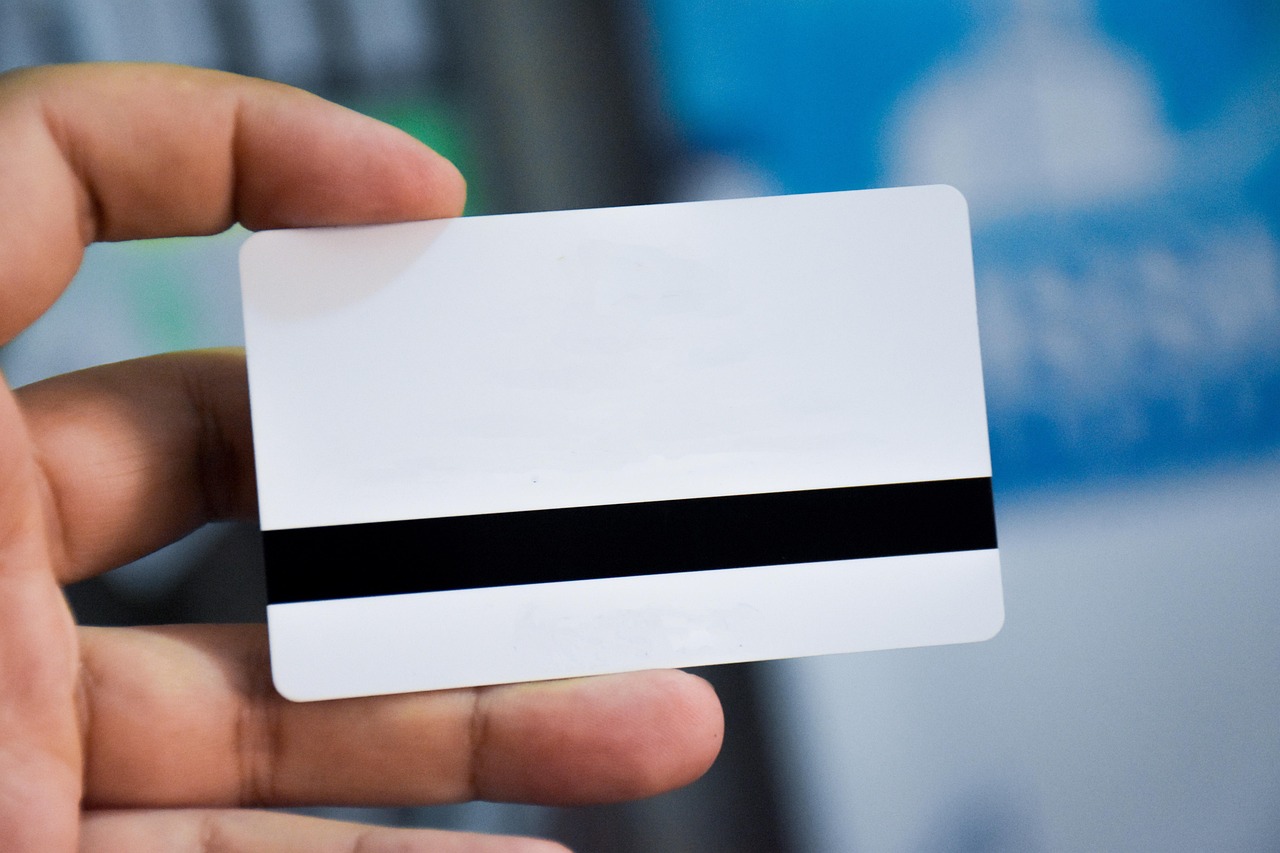
On 25 September 2025- a new affront to civil liberties was introduced in the UK through a new digital ID, in a bid to curb illegal immigration. Widely seen as populist pressure over immigration in the UK, the ‘BritCard’ will be used to identify citizens and residents in the country.
When the Labour Government came to power, their robust manifesto laid out an ambitious gender equality agenda, which they claimed would halve violence against women and girls within a decade. Widely acclaimed as a ‘new era for women’- Prime Minister Keir Starmer’s administration showed a commitment to gender equality, focusing on barriers such as the gender pay gap through the Employment Rights Act (2025) and high rates of violence against women girls.
As a long-standing ally of advancing women’s rights around the world, the UK has championed global efforts from the suffrage era to progressive policies and development priorities; taking a bold stance on gender equality. In fact, the All In coalition is the latest initiative co-founded by the UK government in ending violence against women and girls- bringing together a coalition of the willing invested in women and girls’ safety.
Digital IDs and TfGBV
However, the issuance of compulsory digital IDs raises concerns in tackling gender-based violence (GBV) and technological-facilitated gender-based violence (TfGBV), a significant layer of GBV through digital tools.
TfGBV, refers to acts committed digitally such as online harassment and abuse, privacy breaches and surveillance, sexual exploitation and coercion amongst others. These abuses are not isolated or incidental, they are deeply gendered and systemic, disproportionately affecting women, girls and diverse minority communities, reinforcing the existing online and offline inequalities.
Already politicised, ID cards stand to be additionally weaponised against women and girls in all their diversities – whose vast experiences online have been reduced to pervasive and gendered violence. Women and girls seeking asylum in the UK from conflict zones risk being exposed to data misuse, tracking, and retaliation, and amplifying TFGBV. Keir Starmer is reported to have said that the new IDs mark a ‘’patriotic renewal’’, introducing an additional barrier for migrants seeking entry in the UK. This further raises dire concerns on whose safety is prioritised, and at what cost, positioning the ID as a landmark tool of exclusion and control.
Harms to freedoms
According to experts, tools such as digital IDs can facilitate TfGBV by creating new avenues that trap survivors in a perennial cycle of abuse through various nuanced ways across the board. These also particularly affect women and girls seeking asylum, as well as those that have domestically experienced abuse.
Many women asylum seekers have fled persecution, gender-based violence or domestic abuse. Their home countries were part of their trauma and digital IDs can be predisposed to acting as systems of continued surveillance that can be triggering and retraumatising- worse still, exposing them to their assailants should there be data breaches.
Privacy protections with this new digital ID whittle down gains made in fundamental freedoms such as freedom of expression and freedom of movement. It also represents a significant expansion of state surveillance and state control over women immigrants seeking refuge, peace and safety from war torn nations. Increased surveillance capabilities by the state will also limit social security freedoms of women seeking asylum such as access to healthcare and housing and cut them off from accessing work- critical in securing their livelihoods thus ending cycles of dependence.
But also, digital literacy challenges could be an additional barrier that they have to navigate excluding them from work opportunities. This is particularly true for those who do not have access to smart phones and secure internet, further trapping those who lack secure devices, thus exposing them to abusers.
Without robust gender-responsive safeguards, digital IDs risk replicating the very systems of control and harm that women and girls are fleeing.
Assess TfGBV concerns
While the government has acknowledged the need for physical ID alternatives for those without smart phones, any offline options sought must be safe without compromising the digital security of asylum seekers.
There’s need for robust consultations with domestic abuse survivors, including minority groups such as women asylum seekers, assessing the impact of TfGBV risks and including their voices from the onset of execution.
Digital safety should not be an afterthought, and inclusion of oversight mechanisms and bodies with transparency is key when it comes to data retention, archiving and use. And also, design should be integral with survivors’ safety as core.
Lastly, digital IDs should not be abused or weaponised as tools of control. Rather the UK government should assess TfGBV concerns while using technology for prevention, response and systemic changes.
As a supporter of women’s rights, the UK should adopt feminist principles that centre lived experiences when rolling out new technology such as digital IDs. They should not be rolled out to discriminate but be designed without bias through an intersectional approach inclusive of the voices of diverse communities and actively prevents TFGBV. This is work that Womankind Worldwide continues to advance through survivor-centred advocacy and gender-responsive safeguards.