Resourcing feminist movements: spotlight on Zimbabwe
By Womankind Worldwide
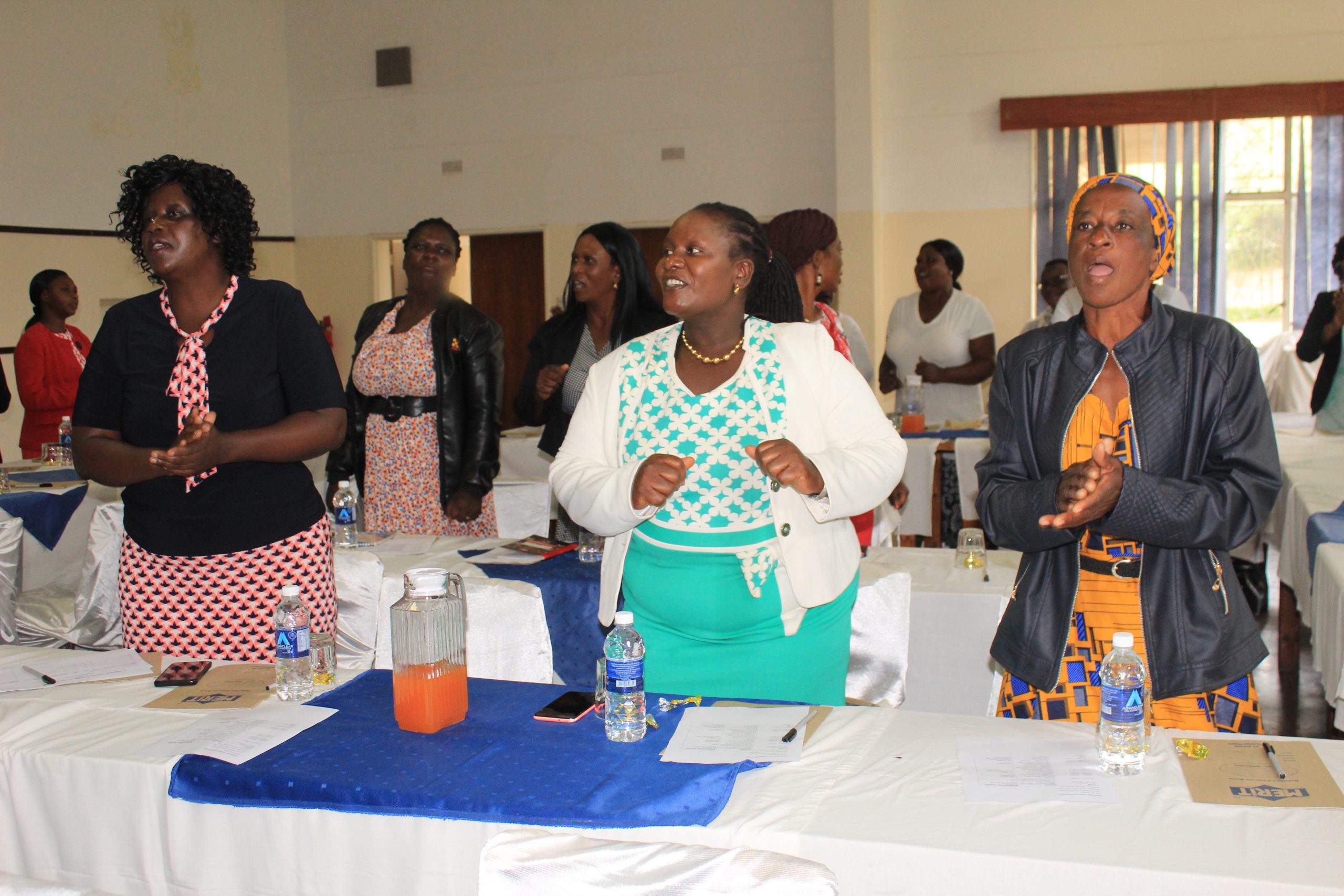
In 2021, we created the Movement Strengthening Fund (MSF) to provide resources that strengthen the processes of movement strengthening without placing all the focus on the aims of movements. This is because it is the connections, trust and understanding forged between diverse women that can make or break the subsequent collective actions that feminist movements are constantly working towards. In this way, collective action is not just what women do together, but how they do it.
In the second cycle of the MSF launched at the end of 2022, Womankind funded three of our partners in Zimbabwe to power and strengthen their movements.
Deaf Women Included – strengthening disability inclusive feminist organising
With support from the MSF, Deaf Women Included (DWI) worked to strengthen the participation of women with disabilities within the mainstream feminist movement in Zimbabwe. DWI did this through consultations, publishing a research paper, feminist advocacy training and interactive feminist dialogue sessions – all with a view to drive and strengthen disability-inclusive feminist organising.
“The creation of disability-inclusive feminist-oriented partnerships drives support and informs social change, which promotes disability activism as an essential aspect of strengthening women’s movements.” – DWI
Through their research, DWI undertook historical mapping to establish the contribution of women with disabilities in Zimbabwe’s feminist movement. The findings of this research informed a position paper that looked at the collective experiences of women with disabilities and critical gaps that prevented their participation in feminist organising.
Speaking about their experience through the MSF, DWI said:
“It gave us more room to co-create the feminist movement we want, we wish and we envision. It helped us to go beyond the implantation stage, to truly building relations that are working even now after we have completed the project. We now have some committed sisters from the mainstream movement who are now willing to walk the journey with us, sharing our struggles and encouraging us to carry on, they might be few but we feel we will get there somehow.”
Pakasipiti – community conversations
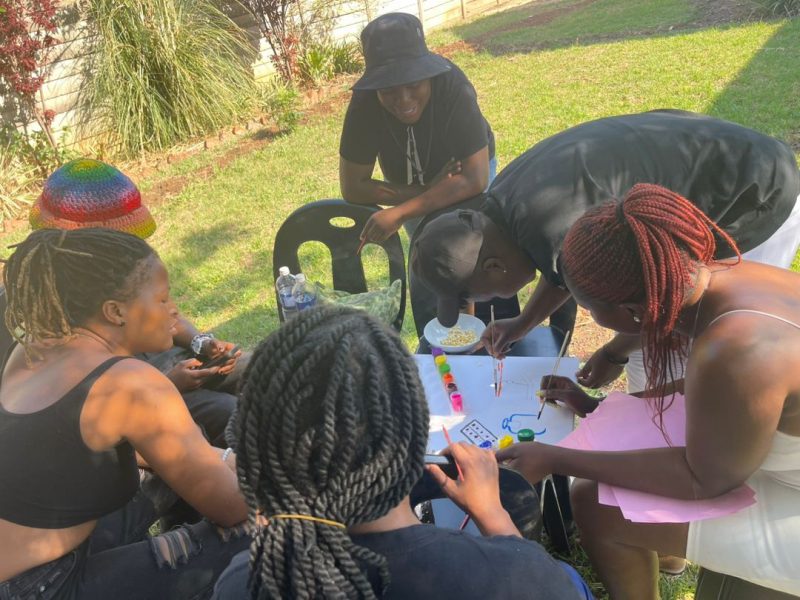
Through their MSF grant, Pakasipiti worked to expand conversations around Lesbian, Bisexual and Queer (LBQ) issues. By working with organisations that they hadn’t previously collaborated with, they brought on board new allies and facilitated conversations beyond health and human rights into democracy, civil rights, wellness and collective healing.
Pakasipiti were also able to engage community members who are now involved in their advocacy work not only through physical spaces but through digital platforms too. These intergenerational conversations encouraged young LBQ women to see peer to peer advocacy as a way to engage in movement building.
“Previously conversations around wellness and healing were not prioritised but we managed to engage with not only our community members but also the broader women’s rights movement on what collective care looks like in our context.”
ZCIEA – storytelling and solidarity
The Zimbabwe Chamber of Informal Associations (ZCIEA) is a membership-based organisation that operates under the vision of decent standards of living for all Zimbabweans in a stable economy. ZCIEA identified the need to strengthen women’s initiatives and to leverage their support of and solidarity with each other as a united force. As a result, they used their MSF grant to coordinate both a leadership training session, online study circles along with documenting the stories of success in the informal economy.
Through ZCIEA ’s work under the MSF, partnerships have been strengthened through the solidarity between the informal economy movement and other activists of economic and social justice in Zimbabwe. Four Womankind partners were part of this movement strengthening work – The Zimbabwe Chamber of Informal Associations (ZCIEA), Women’s Action Group (WAG), Women’s Coalition of Zimbabwe (WCOZ), Women and Land in Zimbabwe (WLZ) – along with Wadzanai Community Development Trust (WCDT).
ZCEIA brought together women in all their diversities across their movement. As a result of working in this way and strengthening feminist leadership skills within the movement, the informal economy women’s movement has championed community livelihood activities that sustain household finances.
Amidst several challenges, ZCIEA and the informal economy movement in Zimbabwe saw the potential for social media as another way of championing women’s rights. ZCIEA documented stories of success in the informal economy and produced and shared 9 of these stories across social media.
“Story documenting is not only for recording but sharing for future opportunities and for others to benefit from it. This is a way of presenting or speaking about the informal economy movement in Zimbabwe. A movement can be vibrant in so many ways. However, through documentaries, a movement can showcase in volumes what it is all about, has achieved, and point out aspirations that can be of great importance to other feminist partners working for social and economic justice.” – ZCIEA
The movement strengthening initiatives from DWI, Pakasipiti and ZCIEA all illustrate the need and value of knowledge sharing, collective thinking and intersectional spaces and speak to Hope Chigudu’s concept of a ‘thinking movement’
“Continuous learning and knowledge development are key ingredients in a feminist movement. Learning is used as a movement-strengthening platform and is a key link among movement members. It helps movement members weave greater connection and coherence across their work using shared experiences, co-developed materials and knowledge documentation.”
Read about the impact of the Movement Strengthening Fund in Nepal, Uganda and Ethiopia.