Disability is our super power
By Sierra Schraff Thomas
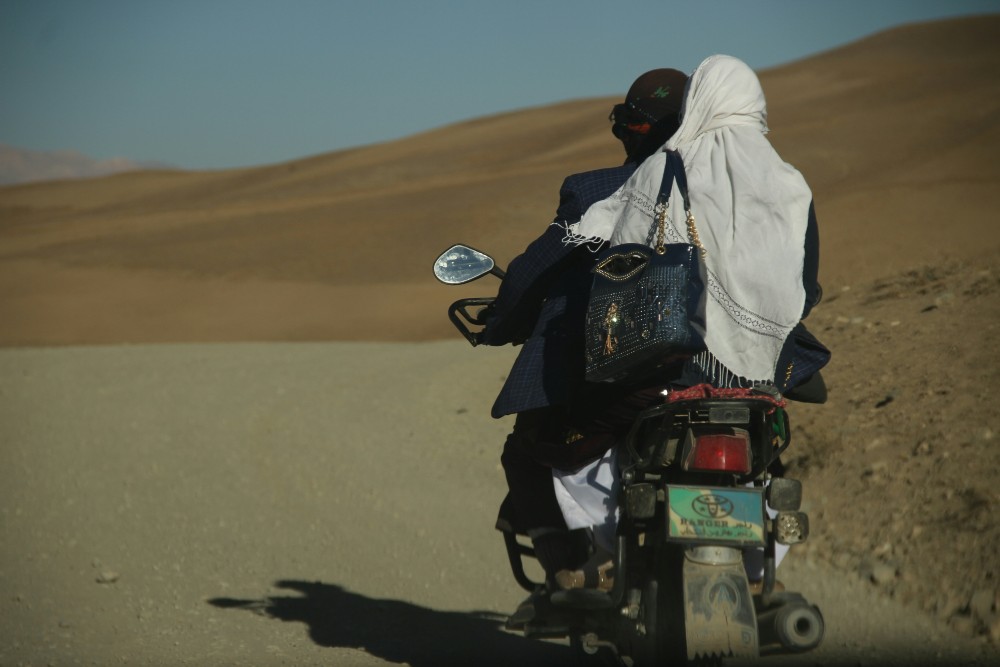
Kabul Orthopedic Organisation (KOO), Afghanistan
“We believe that disability is not something to hide or feel bad about. In fact, we are proud of who we are” says Mahpekay Sidiqi, Director of Kabul Orthopedic Organisation (KOO). “We show that people with disabilities can do great work when given the chance.”
At the age of six, Mahpekai lost both of her legs in a landmine explosion. Her family, displaced by conflict, was living in a refugee camp in Kabul. For a child, the trauma was overwhelming. She believed her future had ended before it had even begun. Hopeless and withdrawn, she even refused an offer of prosthetic limbs.
But KOO didn’t give up on her.
They didn’t just provide prosthetics—they gave her a path forward. Through their support, Mahpekai resumed her education, completing a diploma in prosthetics and orthotics from the Ministry of Public Health. She later earned a bachelor’s degree from Mahidol University in Thailand—becoming one of the few Afghan women with a disability to achieve such international academic credentials in this field.
Her professional journey started modestly—as a gate guard at KOO. But her dedication and intelligence quickly propelled her forward. She became a trainee technician, assistant, then supervisor, project manager, and eventually served as Deputy Director. Today, Mahpekai is the Director of KOO, leading programmes that integrate physical rehabilitation, vocational training, and psychosocial support, with a focus on empowering women with disabilities, internally displaced women, and survivors of violence.
Since the Taliban re-took control of the country in 2001, the situation for Afghan women has become increasingly dire. They are largely excluded from public and political life. In this context of gender apartheid, Disabled women face additional stigma and discrimination, and are even less likely to be able to access basic services like education, health care and employment.
“Sometimes I ask myself what keeps us going despite all the difficulties. And the only answer that comes to my mind is this: we believe that change is possible. That hope gives us the energy to continue. Even if things are hard, we know our efforts can help make life better for someone”, says Mahpekai.
KOO provides a safe and supportive environment for Disabled women. Through vocational training, they equip women with valuable skills which can help them achieve economic independence and improve their livelihoods. According to Mahpekai, one of KOO’s biggest achievements is providing job opportunities to people with disabilities, especially women. “Our team is made up of strong and capable Disabled people — our Deputy Director, Programme Manager, and many of our staff are disabled themselves. They are not just working, they are leading”, she says.
In addition to vocational training, KOO provides psychological and emotional support for programme participants. Through regular group gatherings, women can connect, share their experiences, and receive psychosocial guidance. These sessions are designed to enhance self-confidence, foster a sense of empowerment, and provide much-needed psychological relief. They also offer physical therapy services to support both the vocational trainees and other women and girls with disabilities in the community, addressing their physical well-being alongside their mental health.
“We want everyone to feel proud of their identity and their abilities,” says Mahpekai. “At KOO, we don’t just talk about inclusion, we live it. We are proud to say that disability is not a weakness. It is our strength.”