Flexible Funding: A catalyst for transformative change
By Diana Njuguna
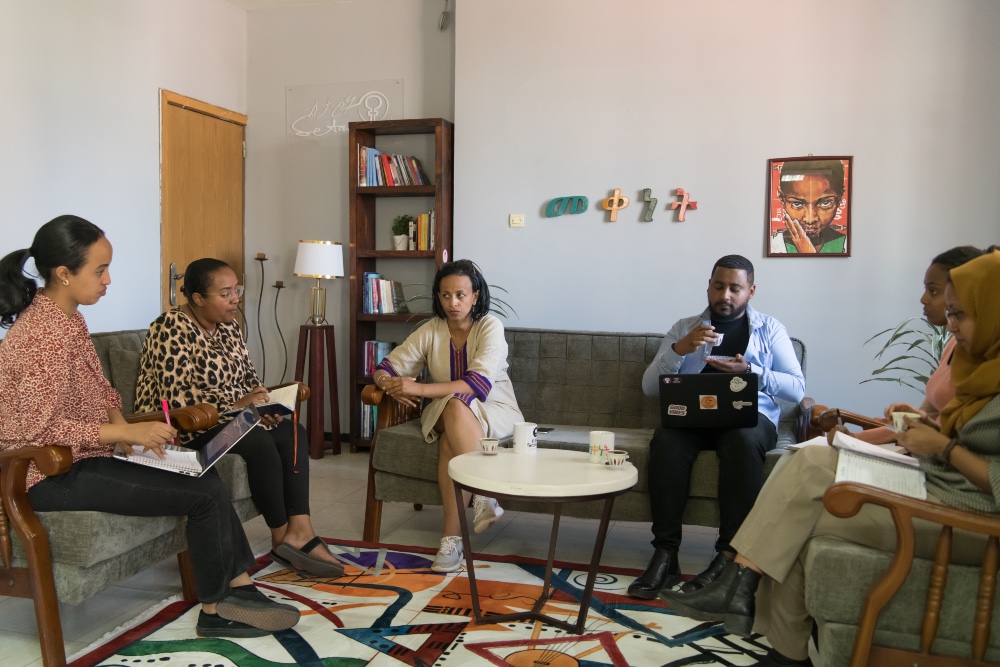
There is unexplainable power in convening. I recently attended the African Philanthropy Forum which was held from 27-29 October in Marrakech, Morrocco and still reverting over the refreshed, energized and stimulation after the conference. Led by Mosun Layode and team, this year’s theme was: A New Agenda for African Philanthropy: Catalysing Funding to Accelerate Africa’s Transformation.
The spirit of Ubuntu—the African philosophy of interconnectedness was present. Stakeholders were urged to embrace a new era of philanthropy—one that is agile, collaborative, and focused on catalysing funding to accelerate Africa’s transformation.
In an era of rapid global changes and shifting paradigms and Africa’s rapid growth and evolving challenges, reimagining philanthropy is not just an option—it’s a necessity. The important role and need for of flexible funding in catalysing transformation cannot be overstated.
It is estimated that Africa population is growing three times faster than the rest of the world. By 2050, the Africa Development Bank Group has estimated that the population is forecasted to rise to 2.4 billion and continue to grow to 4.2 billion, four times its current size in the next 100 years. To break it down even further, 2 out of 5 children globally will be from the African continent according to UNICEF. It is undeniable, that the continent has a higher and growing youth population which presents both unprecedented opportunities and formidable challenges if not harnessed positively.
However, the context in international development is changing rapidly. While 2024 is seen as the year of democracy with at least 64 countries around the world having elections, there’s also been a shift in the funding landscape with new governments and regimes in the Global North drawing back support to development aid. The rising right-wing ideologies have challenged funding support crucial in achieving the SDGs, key among them gender equality. Simply put, we are now witnessing a litany of potential threats such as rising inequality with considerable challenges to achieving and maintaining women’s human rights.
But how do we reorganise and reposition ourselves collectively as allies, conveners and funders in response and readiness to these daunting realities and pressing issues?
We must shift our approach from reactive emergency giving to strategic, flexible funding models. Flexible funding emerges as a powerful and transformative tool to test, shift, and accelerate change across the diverse landscape of Africa. This innovative approach to resource allocation allows for a multitude of benefits that can significantly impact the continent’s development trajectory:
- Rapid adaptation to emerging needs and opportunities, ensuring that resources can be quickly redirected to address urgent issues or capitalize on promising developments
- Support for innovative and unconventional solutions that may not fit within traditional funding models, fostering creativity and out-of-the-box thinking in problem-solving
- Long-term sustainability through adaptable resource allocation, enabling projects and initiatives to evolve and adjust their strategies as circumstances change
- Strengthening of local organizations and movements, giving them the autonomy to make decisions based on their intimate understanding of local contexts. Thinking of the ubuntu model that is prevalent in Africa.
By embracing flexible funding, we can move beyond possibly outdated rigid models in critical sectors like gender, education, healthcare, and economic development. This approach recognizes the complexity and diversity of challenges faced across Africa and allows for more nuanced, intersectional and context-specific solutions. It also ensures we are dismantling the silent ‘saviour’ mentalism that is centred around the current fundamentalism of philanthropy.
Womankind continues to champion for flexible funding through our three funding streams: Strategic Partner Support Grants, Movement Strengthening Fund and Her Voice Fund. We are committed to pursuing a shift in funding models that builds on the shared understanding and collaboration, trust, shared power, reckoning with and dismantling colonial pasts and proving that communities have the power to develop their own solutions.
As we reimagine philanthropy for Africa’s future, we must remember the words of Danca da Solidão: “When I think of the future, I do not forget my past.”
Combining flexible funding with a deep understanding of African contexts and needs, we can create a new type of solidarity—one that extends from family to the global community and drives real collaboration among all stakeholders.
The power of flexible funding to catalyse Africa’s transformation is immense. It offers the agility to address urgent needs while working towards systemic impact. As we move forward, let us embrace this approach, fostering innovation, empowering local leaders, and building a more resilient, prosperous Africa. The time for reimagining philanthropy is now let us seize this opportunity to shape a brighter future for the continent and its people.