Four Years of Silence. Four Years of Resistance
By Womankind Worldwide
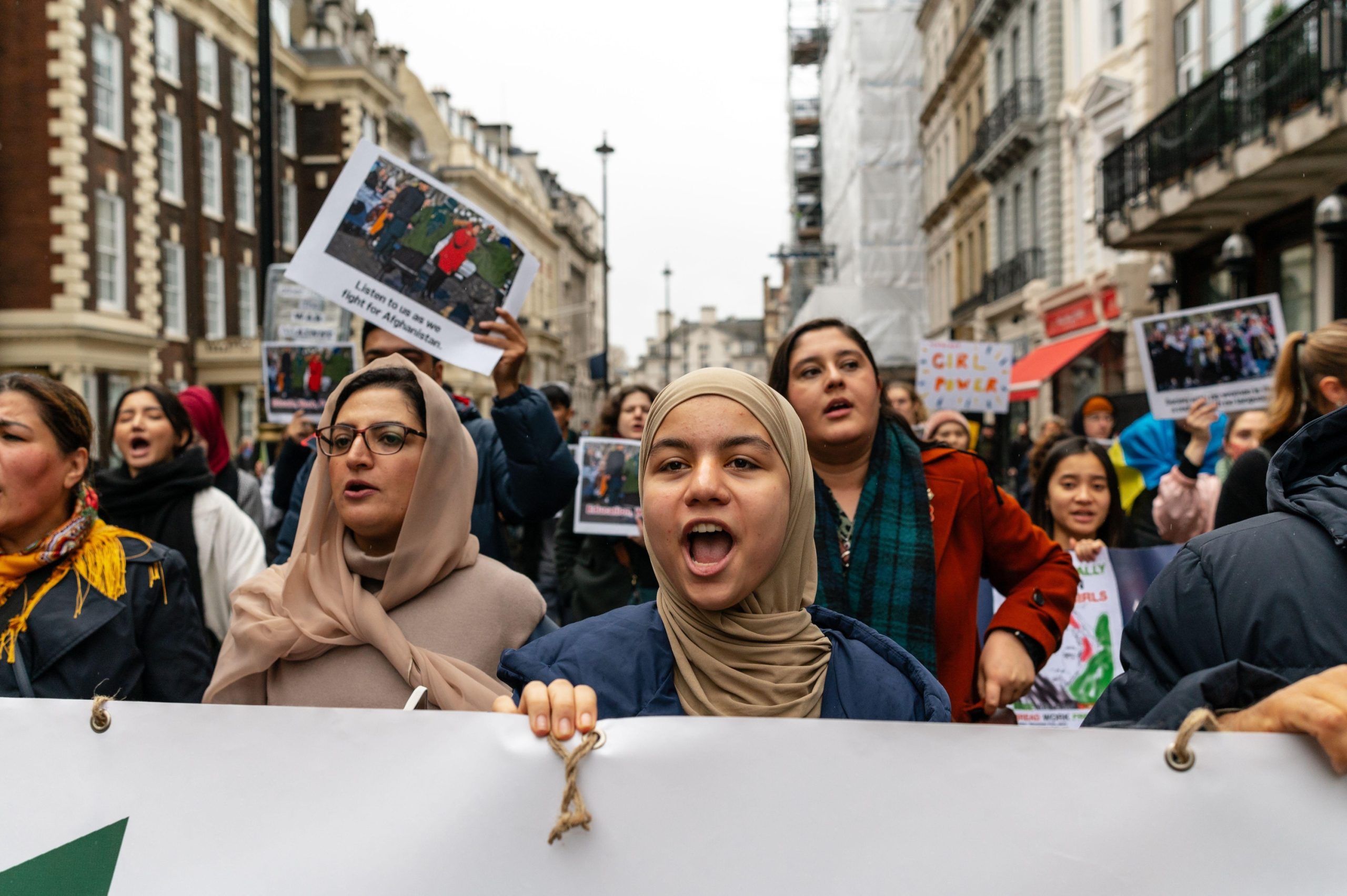
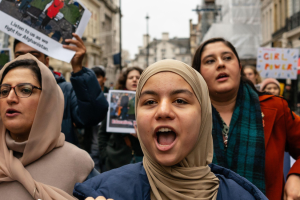
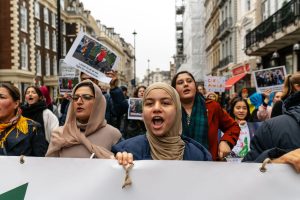
15 August 2025 marks 1,461 days —four years since the Taliban returned to power in Afghanistan. Four years of removing women from public life. Four years of forced silence. Four years of deafening silence from the international community.
For Afghan women and girls, every day under Taliban rule has been a fight, not just against one group, but against a global system that accepts the unfair treatment of women as normal.
”Womankind Worldwide stands with Afghan women’s movements. We speak out to break the silence, honour Afghan women’s strength and call out those who are allowing this injustice to continue.”
The Reality on the Ground: A Life Denied
Since August 2021, the Taliban has engaged in structural forms of violence by instituting over 90 decrees targeting women and girls. These include banning education beyond grade six, restricting employment and banning travel without male guardians. The Ministry of Women’s Affairs- once a monumental advocate of women’s rights was dismantled and replaced by the Ministry of Vice and Virtue which polices women’s clothing, voices and presence.
”Afghanistan is now the only country in the world where girls are banned from high school and university. Women journalists are no longer allowed to report. Women judges, politicians, and human rights defenders have been forced into hiding or exile. And those who dare to protest face arrest, torture, disappearance, and public shaming.”
Shrinking Civic Space
Women-led organisations in Afghanistan are working under intense pressure despite growing restrictions and surveillance but also compounded with limited funding and shrinking space for activism threatening their networks and ability to operate. International actors have also left women-led groups in Afghanistan behind, with promises of long-term support still not delivered.
Afghan women are not only silenced by the Taliban but are often overlooked by the international community choosing politics over support. Donor promises haven’t translated into flexible funding affecting the collective voice of women activists.
”Women are invited to international forums last-minute preventing their full preparation and consultation. Visa apartheid has also been weaponised to block their participation in decision-making. They are spoken for rather than heard. And the Taliban has boldly dismissed them as unrepresentative in key UN forums undermining decades of feminist work and their legitimacy. Beyond the Taliban; some international groups have made it harder by creating divisions between women in Afghanistan and those living abroad.”
Humanitarian collapse
Worse still, the humanitarian crisis in Afghanistan continues to deepen and is widespread. Millions face acute hunger, water is inadequate, shelters are overcrowded and jobs are scarce- more so for women. Across the world, the gradual acceptance of Taliban rule has led to a deeply troubling trend i.e. the growing risk of deportation for Afghans who were evacuated under emergency criteria in 2021. Afghan refugees are being forcibly deported from Pakistan and Iran. Many of these individuals, including women human rights defenders, journalists, and civil society members, now live in legal limbo or fear of being sent back, a clear betrayal of the promises made to protect them.
The Normalisation of Gender Apartheid
What is perhaps most alarming is the emerging normalization of the Taliban regime.
We’ve witnessed how various states and political authorities engage them without a demand for women’s rights and sending a message women’s rights are negotiable. Every time an international body publishes a statement without naming gender apartheid for what it is, it reinforces the Taliban’s impunity. Every time funding is withheld from grassroots women-led organisations due to “security risks,” it is not safety being prioritised, it is the silencing of feminist resistance.
Our Demands: Feminist Solidarity Must Be Action-Oriented
- Name It: Recognise the situation in Afghanistan as gender apartheid under international law.
- Fund the Frontlines: Channel direct, flexible, and sustained funding to Afghan women-led organisations.
- Reject Normalisation: States must not legitimise the Taliban through diplomatic engagement that ignores their human rights violations. Engagement must be conditional on verifiable progress on women’s rights.
- Protect Women Human Rights Defenders: Establish emergency pathways for relocation and protection of women at risk. Support digital and physical security measures for those still working in-country.
- Stop Forced Deportations: Halt forced deportations of Afghan refugees to countries where they face systematic persecution.
- Include Women Meaningfully: Ensure Afghan women, both inside and outside the country, are involved from the start in international conferences, peace negotiations, and policy discussions.
- Strengthen Coordination: Support Afghan women’s networks and movements with resources, safe spaces, and coordination platforms. Resist narratives that create divisions between women living abroad and those inside the country.
”To Our Sisters in Struggle: You Are Not Forgotten
To the women still protesting on the streets of Kabul, Herat, Mazar, and beyond; to the girls studying in secret schools; to the lawyers offering free legal help and the journalists risking their lives to get the truth out. You are the beating heart of a nation that refuses to surrender.”
We see you. We honour you. We fight beside you.
Four years on, we do not mark the fall. We mark the fight.
”We demand a world where Afghan women are not a footnote in peace talks, not a bargaining chip in diplomacy, and never sidelined in funding decisions. They are central to the future of Afghanistan.”