How the WAVE II project contributed to effective movement strengthening in Uganda
By Womankind Worldwide
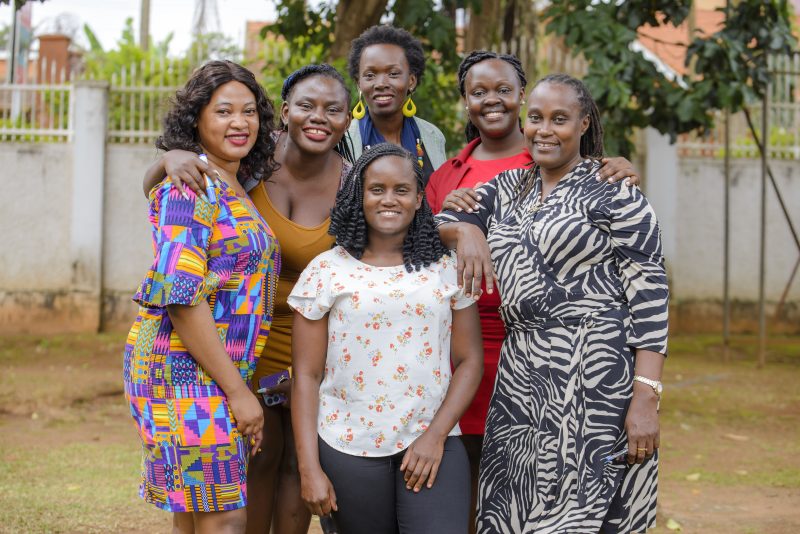
Between October 2022 and September 2024, the second phase of the Women’s Advocacy for Voice and Empowerment (WAVE II) project was implemented in Uganda. Building on the foundation set by the first phase the Women’s Advocacy for Voice and Empowerment (WAVE II) intersectional movement strengthening project was implemented in Uganda between October 2022 and September 2024. This was the second phase of the project which brought together six women’s rights organisations to collaborate together – The Peace Centre (WIPC), MEMPROW, NAWOU, FOWODE, FARUG and NUWODU.
As WAVE II came to a close, partners reflected on their collective journey, exploring both the challenges they faced and the successes they achieved in advancing inclusive and effective feminist movements in Uganda. If you would like to learn more about WAVE II, please watch the final project documentary and hear directly from partners.
The reality for feminist movements in Uganda
Over the past two years, mounting pressure has significantly curtailed spaces for activism and dissent. Women’s rights activists have been targeted, threatened online, followed in public, and silenced through fear. For women in politics, even expressing certain views has become risky, forcing many into self-censorship to protect their safety and careers. Despite this, WAVE II partners stood by them, creating spaces of solidarity and support to ensure they could keep fighting for change. To support activists under threat, WAVE II partners established networks of solidarity and resilience, offering emotional and practical support to enable continued activism.
The Government of Uganda also passed the Anti-Homosexuality Bill in March 2023, intensifying the risks faced by LGBTQ+ communities and expanding legal prohibitions to include severe new consequences. Merely identifying as gay became illegal, with friends, family, and members of the community required to report individuals in same-sex relationships to the authorities. This legislation not only criminalised same-sex relationships but also introduced mandatory reporting requirements, endangering individuals’ safety. The increased restrictions have deepened isolation and insecurity, making daily life increasingly fraught for LGBTQ+ individuals.
The Bill presented significant challenges for WAVE II member Freedom and Roam (FARUG) Uganda who exist to support lesbian, bi-sexual and trans people. FARUG were evicted from their office in the midst of the project and forced to provide sensitive personal information to authorities, increasing the risk of harassment and arrest. Members of the FARUG community also had to self-censor their behaviour and dress to avoid being targeted.
To overcome these challenges, the consortia created protective spaces, provided constant welfare checks, and prioritised wellness and self-care strategies to support FARUG staff and community members through this hostile environment. WAVE II also had a strong component focused on the development of individual and organisational wellness plans, helping activists to care for themselves and others through these times of extreme backlash and violence.
How has WAVE II contributed to effective movement strengthening in Uganda?
Working within an intentional intersectional framework1, WAVE II partners deepened their understanding of the diverse realities faced by women across Uganda. Now partners champion inclusivity by consistently raising critical questions like ‘where are the women with disabilities in this space? Is there sign language interpretation or visual aids available?’ Are young, queer women safe, welcome and heard in this space?’
WAVE II has created a deliberate focus on self-care and wellness for individuals and feminist organisations to tackle high levels of burnout and trauma caused by consistently dealing with backlash, violence and intimidation. Through The Peace Centre’s leadership, partners have embedded wellness practices and policies into their organisational cultures. For example, NAWOU shared that they are now mindful of proposing community meetings at times to suit those with caring responsibilities. These practices are beginning to influence the wider feminist movement in Uganda, encouraging a culture of sustainability and care.
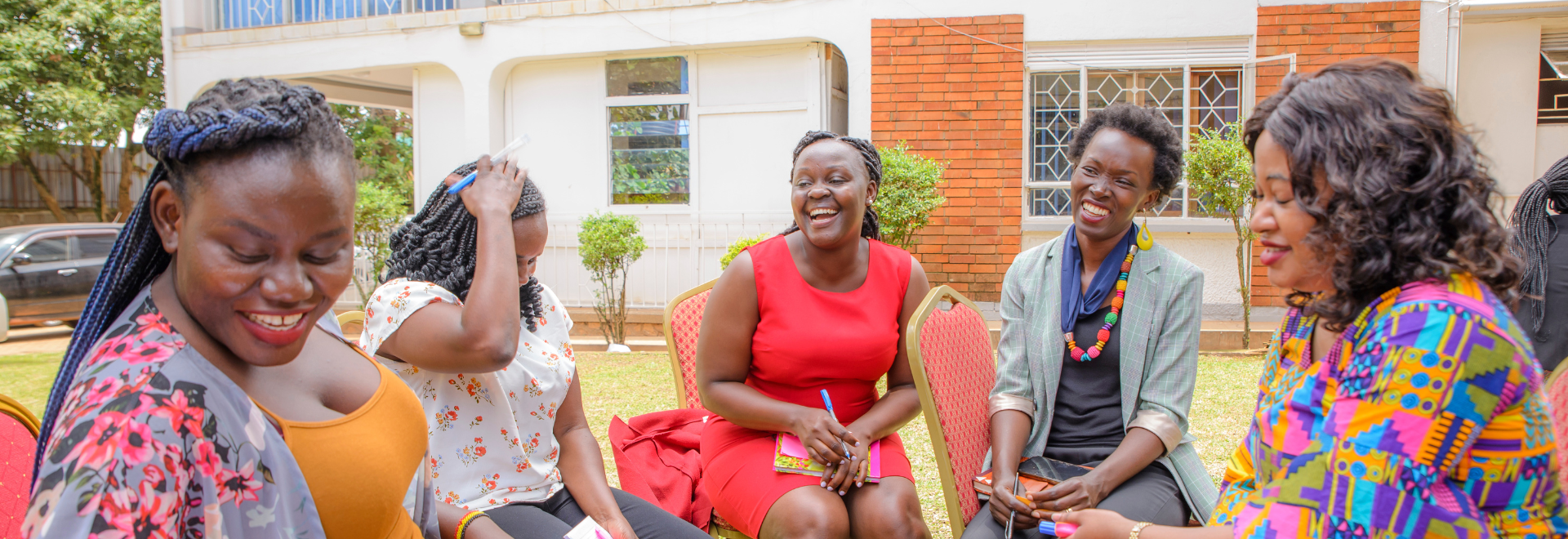
WAVE II demonstrated the power of collaboration among diverse organisations working toward a shared goal, grounded in clear feminist partnership principles. For example, partners supported each other through “Happy Hours” (weekly sessions focused on wellness) and celebrated collective victories, sharing lessons learned openly and honestly.
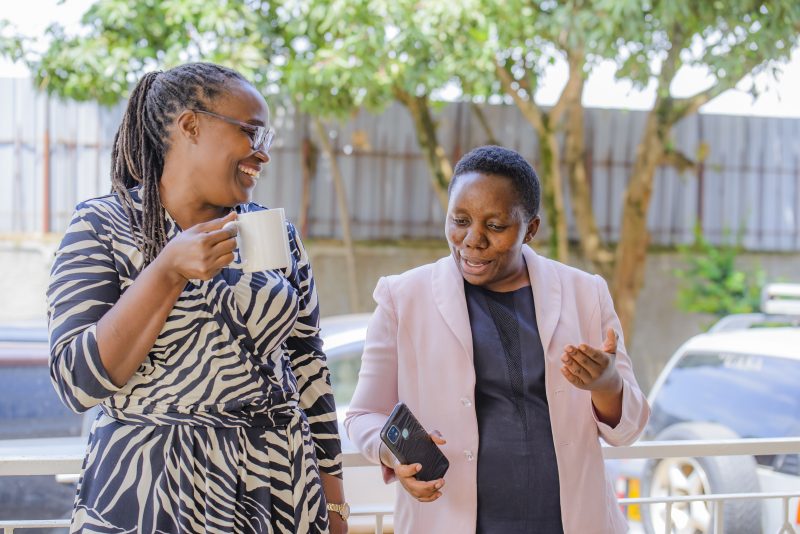
‘There is life beyond the laptop! The whole experience felt like a family – like you have a representative in another organisation’ (Elinah from The Peace Centre)
Partners also celebrated collective wins together and asked each other for help during implementation recognising mutual strengths. They took time out to reflect together on what was working well andwhat they might drop and what could be done differently.
By embodying these feminist principles, WAVE II showed that collaboration, rather than competition for resources, can strengthen movements and increase collective impact.
Setting the example through flexible funding
A critical factor in WAVE II’s success was the flexible support provided by the Ing Foundation. Trusting Womankind and the six partner organisations, the foundation imposed minimal compliance demands, allowing the consortia to create their own reporting templates focused on qualitative impact, rather than just numbers. This meant that work could also be adapted easily to respond to the realities of the implementation context. Additionally, the approval of funding for self and collective care was unique and something no partner had ever experienced before from a donor (or something few donors have ever permitted).
This flexibility enabled partners to adapt swiftly to changing contexts and to prioritise self and collective care. It freed activists to concentrate on the work itself, rather than on bureaucratic processes, allowing activists to focus on the work and not the paperwork! This demonstrates the transformative power of trust-based funding for feminist movement building.