Lesson 1: Learning as a feminist practice – annual learning events
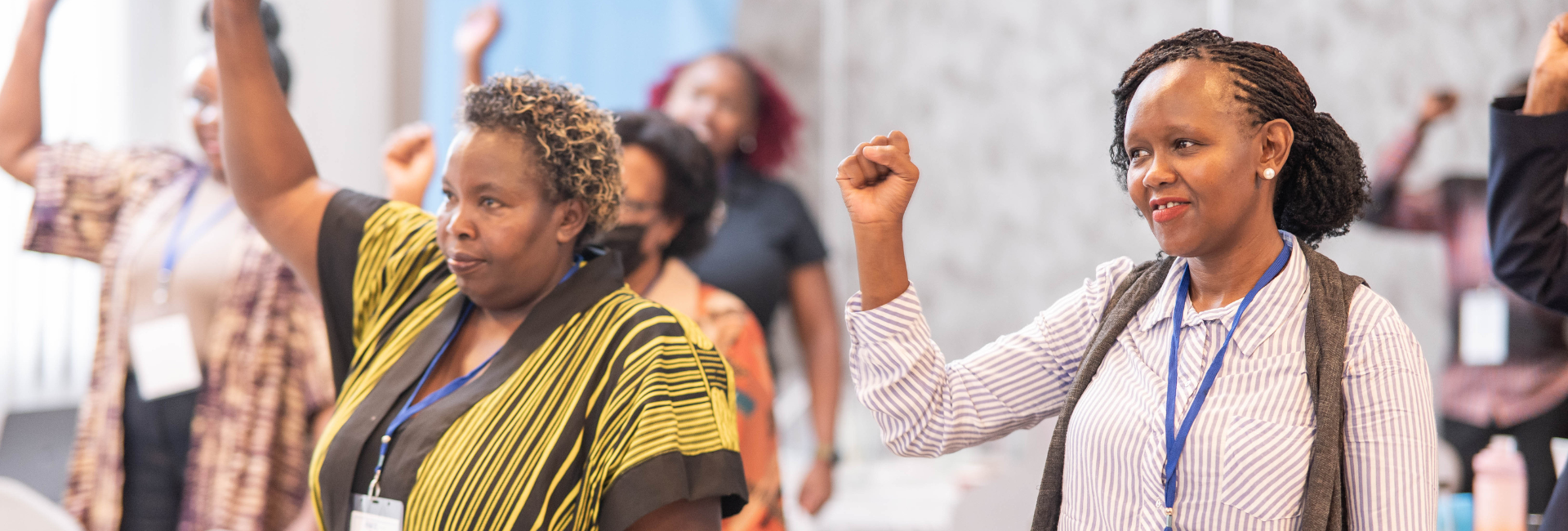
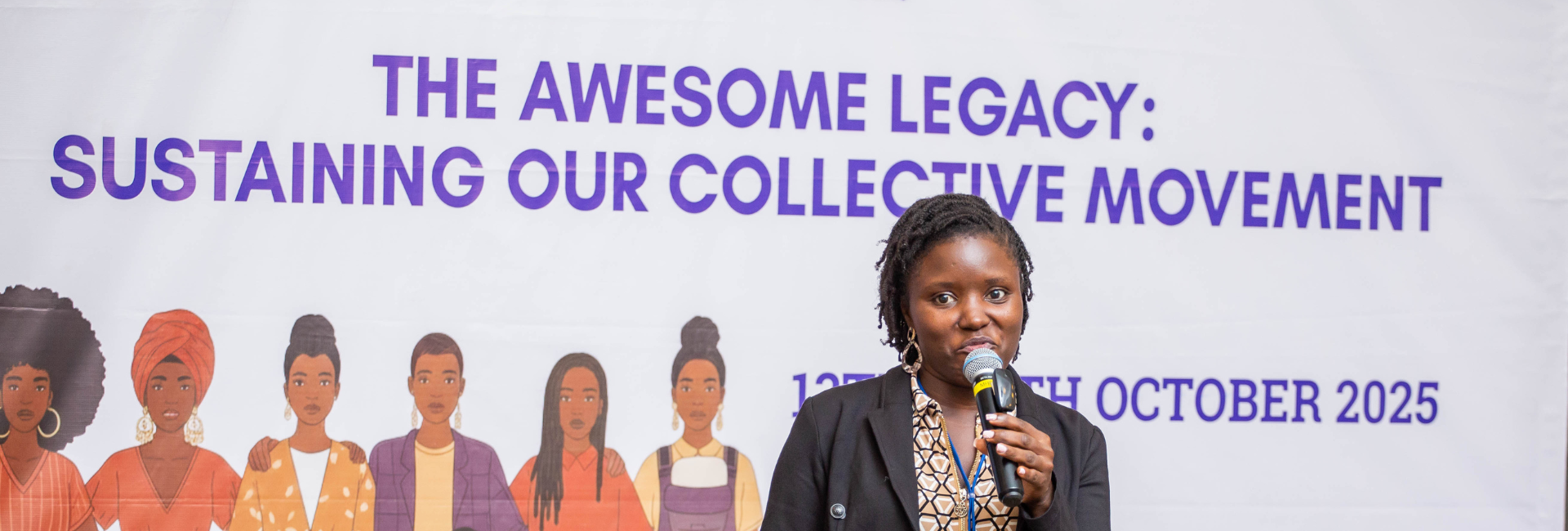
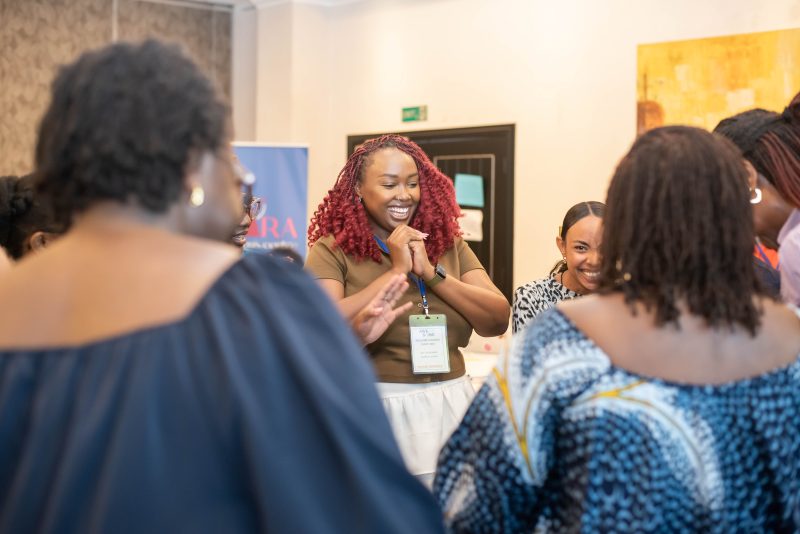
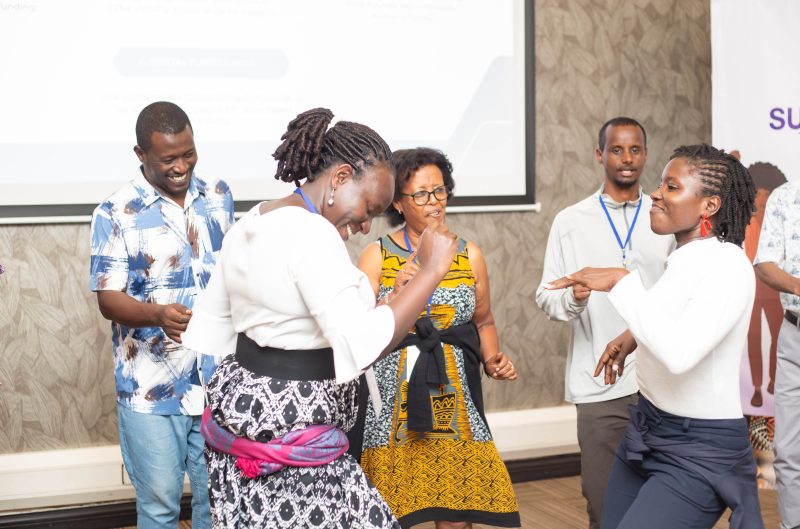
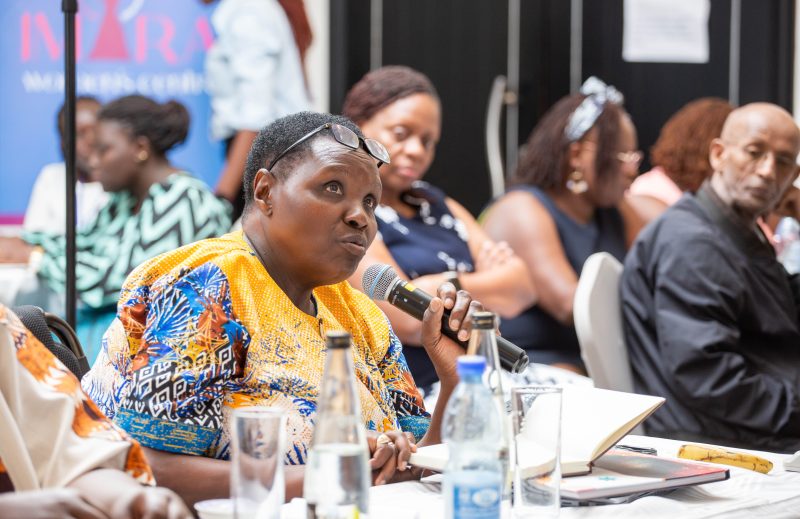
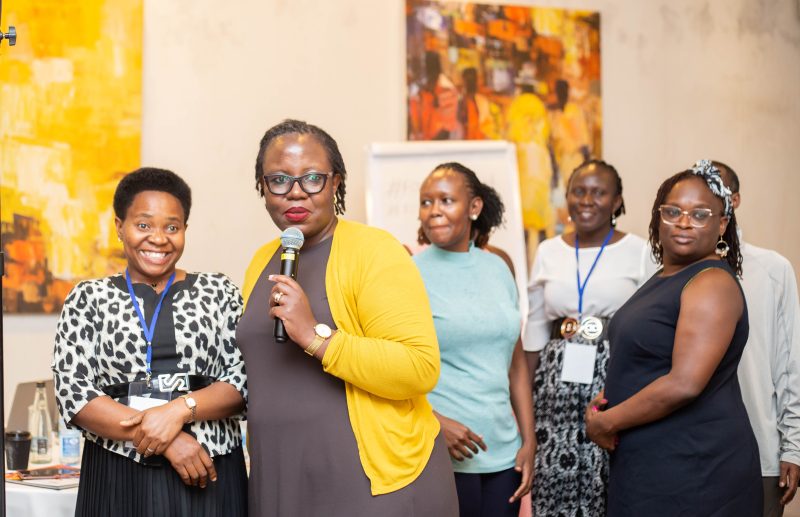
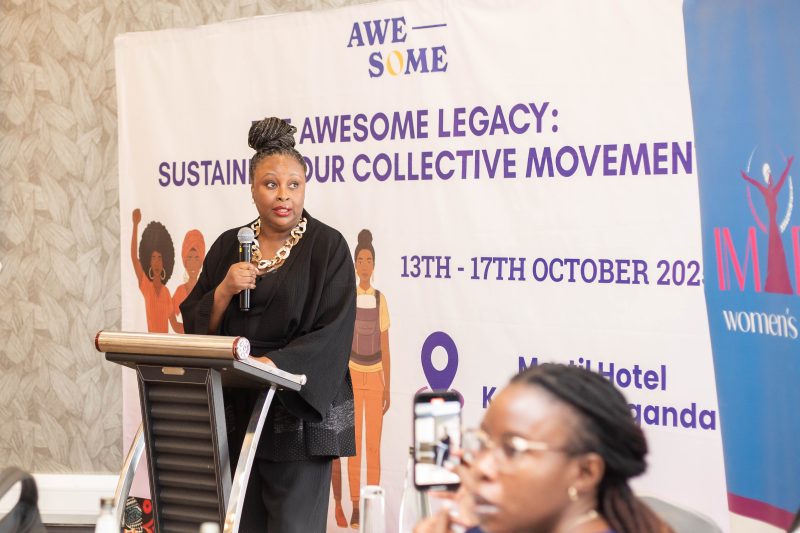
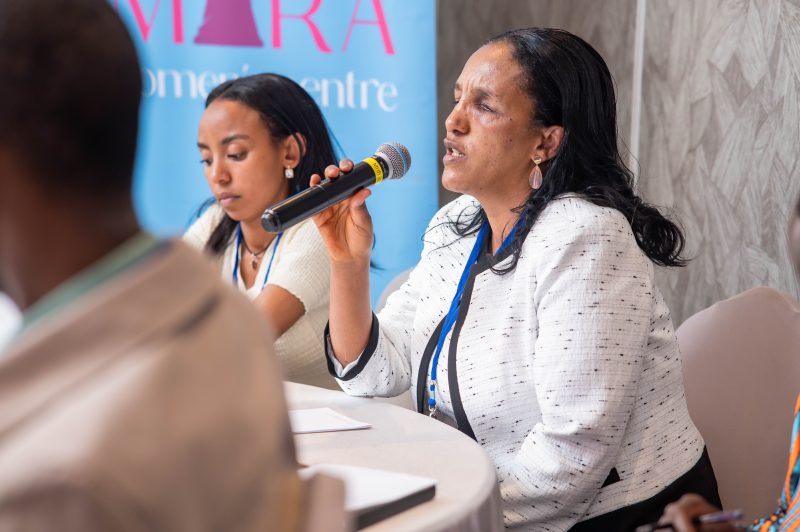
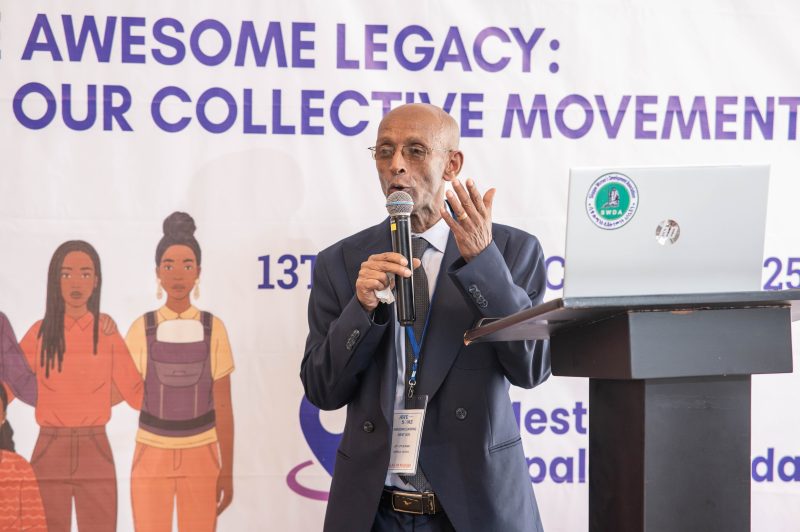
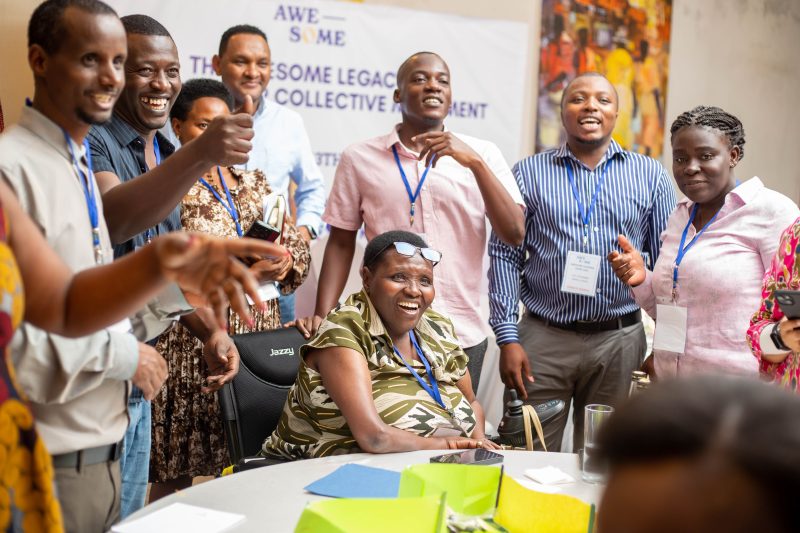
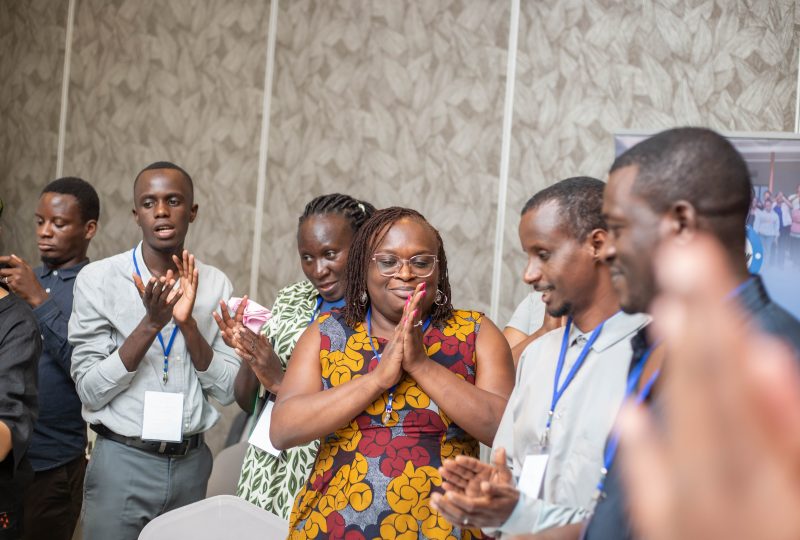
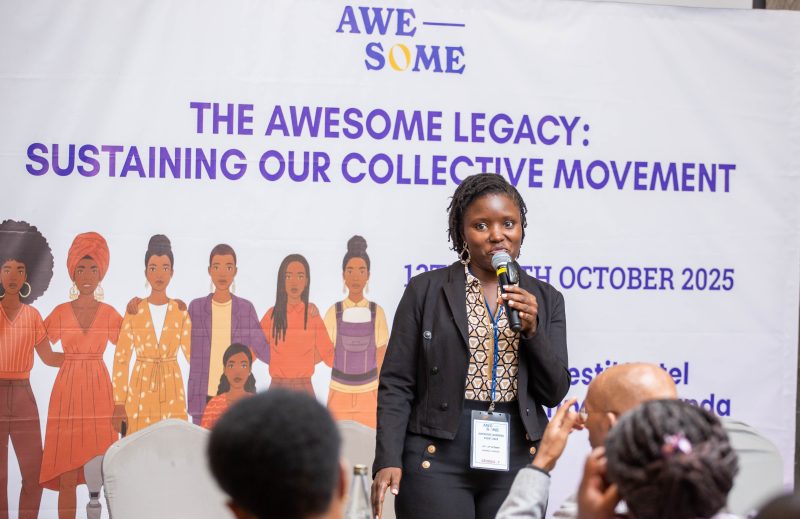
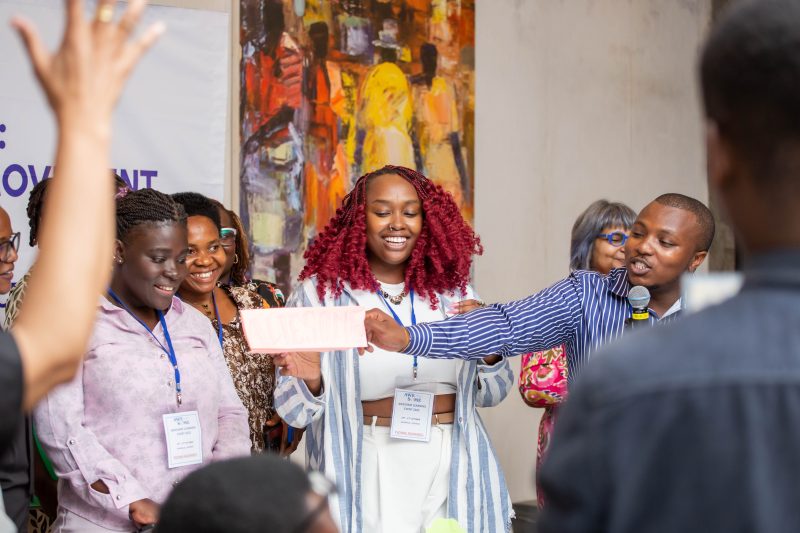
AWESOME understood learning as a shared feminist practice: relational, intentional, and grounded in trust. Each year, partners agreed on a collective learning question that reflected their challenges across contexts. Annual learning events, hosted by different partners and shaped by themes such as disability inclusion, women’s political leadership, and movement strengthening, became moments of deep connection.
These spaces allowed partners to step away from urgency, listen to one another, and reflect honestly on both progress and complexity. A key lesson from this practice was that when learning is resourced and held collectively, it builds solidarity, sharpens political clarity, and reminds feminist movements that they do not have to do this work alone.
Lesson 2: Shared governance and collective accountability – quarterly JCSC meetings.
The consortium held quarterly Joint Consortium Steering Committee (JCSC) meetings online, with facilitation and leadership rotating among partners. Despite being virtual, these spaces became central to shared decision-making, strategic oversight, and collective accountability. Rotational leadership helped prevent the concentration of power, while the regular rhythm of meetings created predictability and collective responsibility.
The consistency of these spaces combined with openness around budgets, risks, and key decisions was critical in building trust and fostering a strong sense of joint ownership across the consortium.
Lesson 3: Recognise partners as experts and build collective power
One of the approaches of the AWESOME programme was partner-led design and advocacy. By recognising each partner as an expert in the challenges facing their constituents, each partner shaped strategies rooted in their own political, social, organisational and country contexts. This enabled AWESOME to respond to change while remaining grounded in feminist priorities. This reflects Womankind’s wider intent to decolonize our approaches and centre partner priorities.
Over five years, partners increasingly moved from participation to leadership in regional and global advocacy and influencing spaces, including the Commission on the Status of Women (CSW) and the African Commission on Human and Peoples’ Rights (ACHPR). Through hosting joint events and delivering joint statements, partners affirmed collective feminist organising as a long-term political project grounded in movement power.
Lesson 4: Learning to practice disability inclusion together
One approach that worked particularly well in the AWESOME programme is having women’s rights organisations (WROs) and disability rights organisations (DWROs) within the same programme. This created space for shared learning and mutual accountability, allowing partners to learn from one another’s expertise and lived realities.
Over time, disability inclusion shifted from being seen as a specialised area of work to a collective responsibility across the consortium. WROs strengthened their understanding and practice of accessibility and disability justice, while DWROs deepened their engagement in feminist organising, advocacy, and leadership. This collaboration challenged stigma, expanded participation for women with disabilities, and strengthened feminist organising across contexts demonstrating that intersectionality is most powerful when it is practised together, not addressed in isolation.
Lesson 5: Sustainability as a process, not a post-script
Sustainability was considered throughout the AWESOME programme, beginning with early investments in organisational capacity strengthening and support for partners to build resilient institutions alongside programme delivery. While sustainability planning became more explicit in the later years of the programme, the consortium increasingly focused on strengthening partners’ ability to mobilise resources, sustain leadership, and continue collective advocacy beyond the life of the grant.
The multi-country connections built over five years remain one of AWESOME’s most enduring outcomes. Partners expressed a strong commitment to continued collaboration, shared advocacy, and mutual support beyond the programme’s formal end, demonstrating that sustainability is as much about relationships and movement strength as it is about resources
What’s next for AWESOME
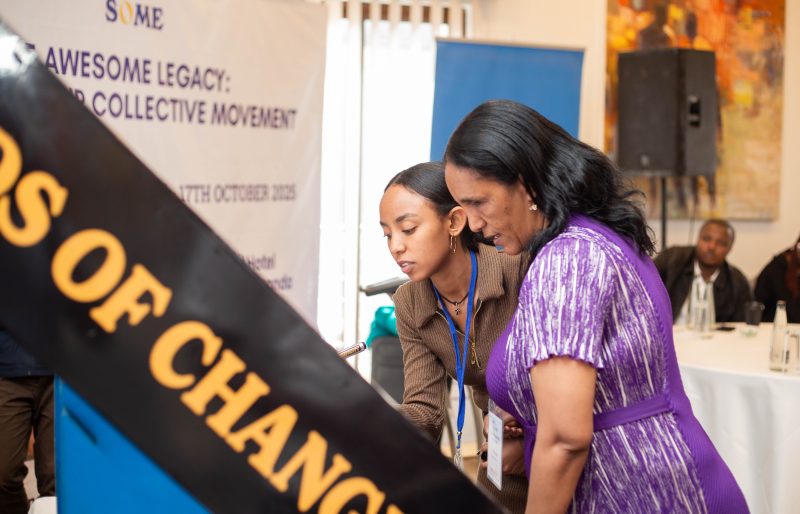
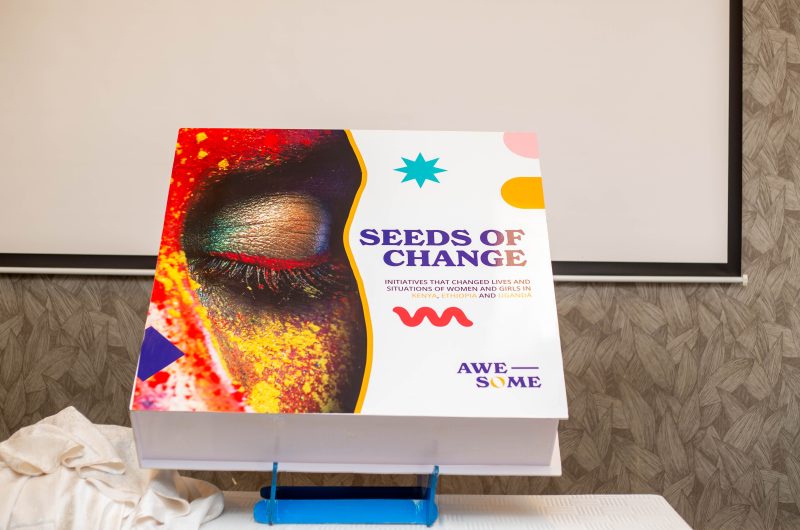
The legacy of AWESOME does not live only in reports or evaluations. It lives in strengthened feminist movements, in women who claim leadership with confidence, and in consortium practices that model what equitable, decolonial partnership can look like.
As this chapter closes, these learnings remain deeply relevant for donors, practitioners, and movements seeking to do feminist consortium work differently. The question is no longer whether these approaches work. We know they do. The question is whether we are willing to keep choosing them.