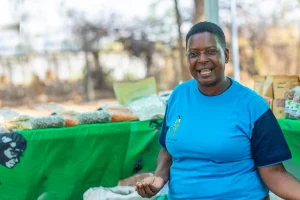

“I want a society where women with disabilities are valued”
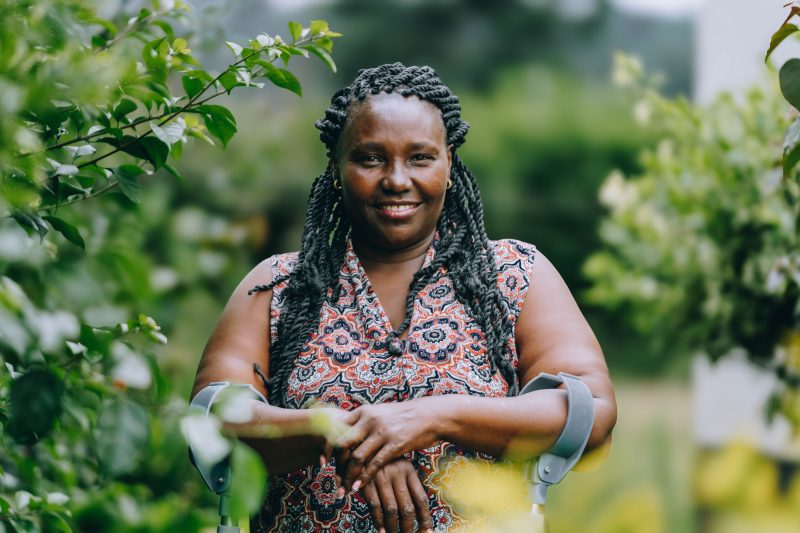
Lucy Nkatha is a 48 year old woman from Meru County in Kenya. A town 300 KMs from Nairobi. Lucy does small scale farming, just enough to sustain her family. On a full-time basis, Lucy is a disability rights champion in her community, a first responder for gender-based violence (GBV) issues, especially when they regard women and girls with disabilities. She is currently working as Director for Women Challenged to Challenge (WCC) Kiini group.
Growing up with stigma
“I come from a family of nine. Being the third born and a girl with a disability, of course it was challenging growing up in an environment where issues of disability had never been openly discussed. There were no opportunities. People never took it seriously. We were in that model we call the charity model. The era where people thought maybe my parents did something wrong, and that is why I have a disability. Stigma from the community was just so bad. I remember we would even travel during the rainy season when I was going back to school or when I was going to get my calipers—the assistive devices that I am wearing. We would even sleep on the roadside because my mother used to carry me. When it was muddy, we could not move.”
She recalls her early school life where people would want to make her feel bad by insulting her about her disability and trip her on the road to make her fall. “I was a sharp girl from the word go. People wanted me to feel bad and to humiliate me, but I was very aggressive. I don’t remember any day that I cried because of somebody trying to humiliate me because of my disability. Even when people used to trip me on the road and make me fall.” Lucy shares.
Road to being a disability rights champion
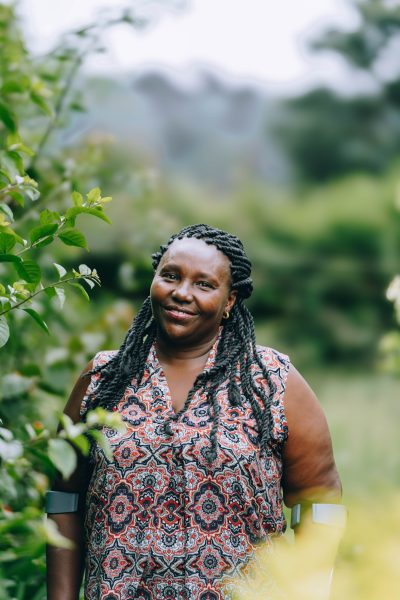
Lucy used to own a salon which was adjacent to a police station. She would see people passing as they went to the police station, and one case was of a girl who had been assaulted by a man. He was known for doing this and had done it to many girls. “This girl was not disabled, but her father had a disability, and they were very poor. People just knew that even if you do this, nothing will happen.” After a while, there were two more cases from girls with disabilities. “That’s how I found myself in the GBV field. I’m glad that when we reported the first person, the second, the third, the fourth, the community started getting scared. They realised they could be jailed because of assaulting these children.”
From this moment, Lucy joined WCC where she attended capacity building workshops. These workshops offered training on human rights, networking and providing spaces for women with disabilities to present their issues in various forums. She attributes her confidence in public speaking to the WCC workshops.
“There’s not much participation and leadership by women with disabilities, because for this space you must fight, you must be strong. But we sure have made some steps forward. For example, right now in every board of schools or hospitals, they want representation of people with disabilities. That’s due to the legislation that has been enacted to ensure representation of the marginalised, where we fall.”
Because Kiini Women Challenge to Challenge is well known in Meru County, they have been putting forward women with disabilities in those positions. “If you compare the representation in boards for people with disabilities in my area, I think we’ve put forward more women than men.”
A society where we are valued
Lucy hopes to live many more years so that she can witness a world where women and girls with disabilities are fully included in society and have equal opportunities. “The young women with disabilities I’m mentoring, I want to see them in a better environment than I’m in. I want to see them go for services in post offices, public places that are accessible. Accessible in terms of physical environment, accessible in terms of communication for deaf women and accessible in terms of information. I want to see when women and girls present themselves for opportunities, people will see them for what they can do, not just for their disabilities. I want a society where attitudes have changed, where people see women and girls with disabilities as assets, not liabilities. Where women with disabilities are valued.”
Lucy is eager to see WCC expand to counties where they’re not present, where they can cater for the woman with marginalised disabilities.
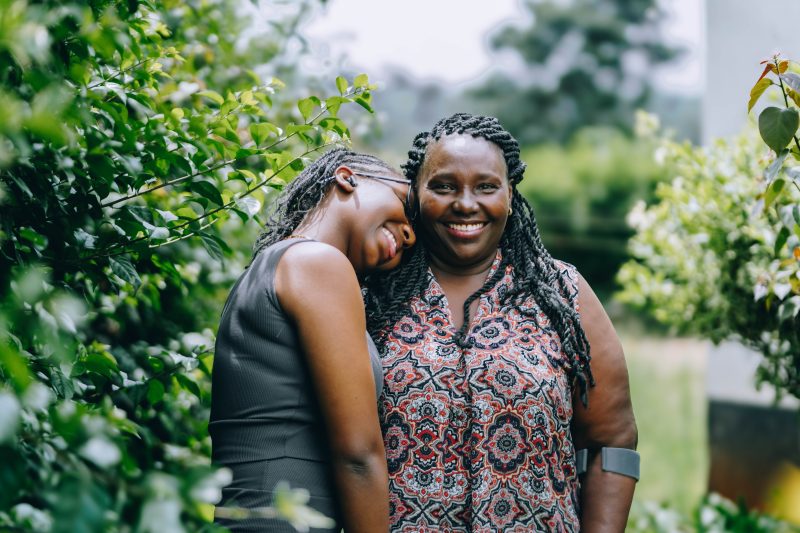
WCC are one of Womankind’s Strategic Grant Partners. Through this, Womankind support WCC with core and flexible funding for their work with women with disabilities in Kenya. WCC are also a member of the AWESOME consortium.
< View all stories