NEWS

The power of online activism: strengthening the widows’ movement in Nepal

11 December 2019
By Sumeera Shrestha, Executive Director, Women for Human Rights Single Group
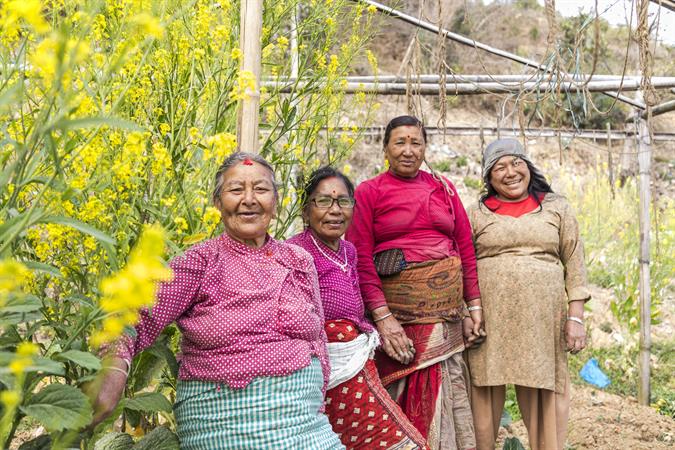
Widows and other single women in Nepal face an increased risk of violence, abuse and social isolation. For this year’s 16 Days Sumeera Shrestha Executive Director of Women for Human Rights Single Women Group (WHR) talks about their involvement in the campaign and what they are hoping to achieve this year.

Taking the widows’ movement from Nepal to the global stage

Through the power of online activism, 16 Days of Activism Against Gender-Based Violence enables women from around the world to come together in solidarity as part of a global movement. It helps strengthen the global women’s movement and also acknowledges different movements, such as the growing widows’ movement we support in Nepal. Through our involvement in the 16 Days we showcase the issues of single women and use the opportunity to grab the attention of families, institutions, communities, and local and national government in Nepal.

The international campaign is incredibly important to me and everyone at WHR because it brings global attention to issues we advocate on, particularly violence against single women in Nepal.

We work to end all forms of discrimination based on marital status and promote the rights of all single women. Single women are a diverse group of women, including widows and unmarried women, and our advocacy aims to highlight and celebrate these differences.

A network of feminists, defiant in the face of violence

Women are not a homogenous group: in Nepal we have women from different social backgrounds, with different gender identities, and from a diverse geography.

We believe that it’s important to understand the multiple forms of violence that women are subjected to, the types of violence that are more prevalent in particular areas, and crucially which women are at increased risk of violence due to the intersecting forms of discrimination they face.

That’s why this 16 Days WHR is joining forces with Feminist Dalit Organisation (FEDO) and Sankalpa Women’s Alliance for Peace, Justice and Democracy (Sankalpa). FEDO work specifically with Dalit women and Sankalpa is an alliance of diverse women’s organisations. Through Sankalpa’s membership based we can also connect with other diverse groups of women, including women with disabilities and lesbian, bisexual and transgender (LBT) women.
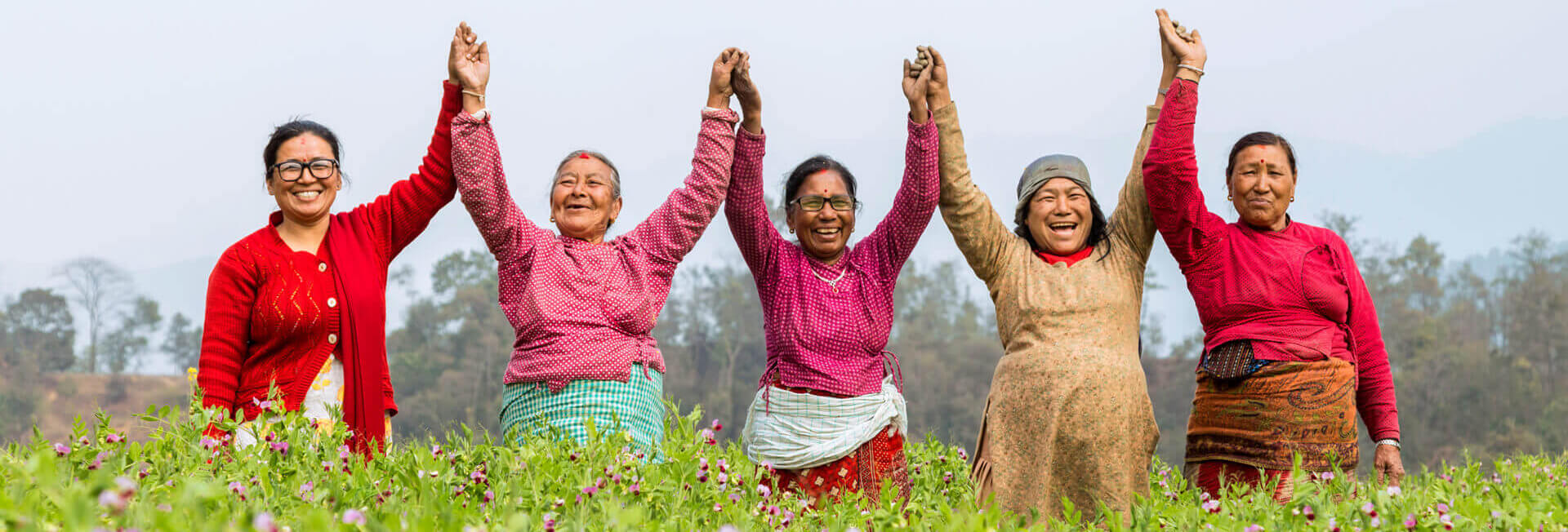
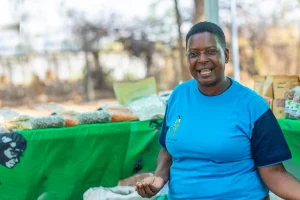
A network of feminists, defiant in the face of violence.

Together, we have been documenting and analysing trends from cases of violence against women and girls that have been reported in seven districts in Nepal this year. The evidence we have collected so far reveals that women across Nepal are experiencing different forms of discrimination and violence, not only because they are women but also because of their marital status and their caste. Domestic and sexual violence, including rape, is amongst the highest number of cases reported but as women’s rights organisations we know that this number is significantly higher. Many cases of violence against women and girls in Nepal go unreported due to the barriers that women face in accessing justice, including those related to stigma and discrimination around sexual violence and lack of trust in law enforcement.

WHR and FEDO have held two provincial consultations and dialogues in the Banke and Bardiya districts and shared these findings with media, women’s groups, human rights organisations, and local and provincial government representatives amongst others. Following this on 8th December, Sankalpa coordinated a national level consultation, which focused on holding policy makers accountable for implementing effective laws and policies that protect single women from violence and abuse.

A growing movement of single women

In Nepal there are around 500,000 widows and the number of young widows is increasing due to natural disasters, conflict, disease and poverty. Widows face high levels of stigma, discrimination and violence due to their single women status in a society that remains conservative and patriarchal. Religious, cultural and traditional beliefs and practices towards widows expose them to violence and abuse at multiple levels and prevent them from participating in normal social activities and accessing vital services.

WHR is supporting a growing widow’s movement in Nepal, including through the establishment of 2000 Single Women Groups. These groups support single women to advocate for their own needs in their communities and increase their participation and leadership in decision-making at the local level. Through our involvement in the 16 Days campaign we are able to raise awareness and understanding of the situation of single women in Nepal and the level of discrimination and violence they face. This helps ensure that their needs are better reflected in the women’s movement and by policy-makers at national and global level.

Driving change in Nepal beyond 16 Days

We believe that by working together we can achieve change. When we know more about how different women experience violence then we can tailor our programme and advocacy to meet their specific needs. This is not just a research project, but it is also about working on concrete actions for a way forward.

We also hope our involvement in this year’s 16 Days campaign will help achieve solidarity within and between the women’s movement. By working together with FEDO and Sankalpa we will help people understand the depth of violence facing women and girls in Nepal, particularly those facing multiple and intersecting forms of discriminations and oppressions faced by single women, Dalit women, women with disabilities and LBT women.

We want to see our social justice movements grow in strength and the 16 Days is a great platform for this. However, we all need to understand how women experience violence and discrimination differently due to their different identities thus the need to focus on issues of intersectionality, including a greater understanding of power and privilege within the women’s movements.

Read about how Womankind partner FARUG is using 16 Days to transform the lives of lesbian, bisexual and transgender women here.