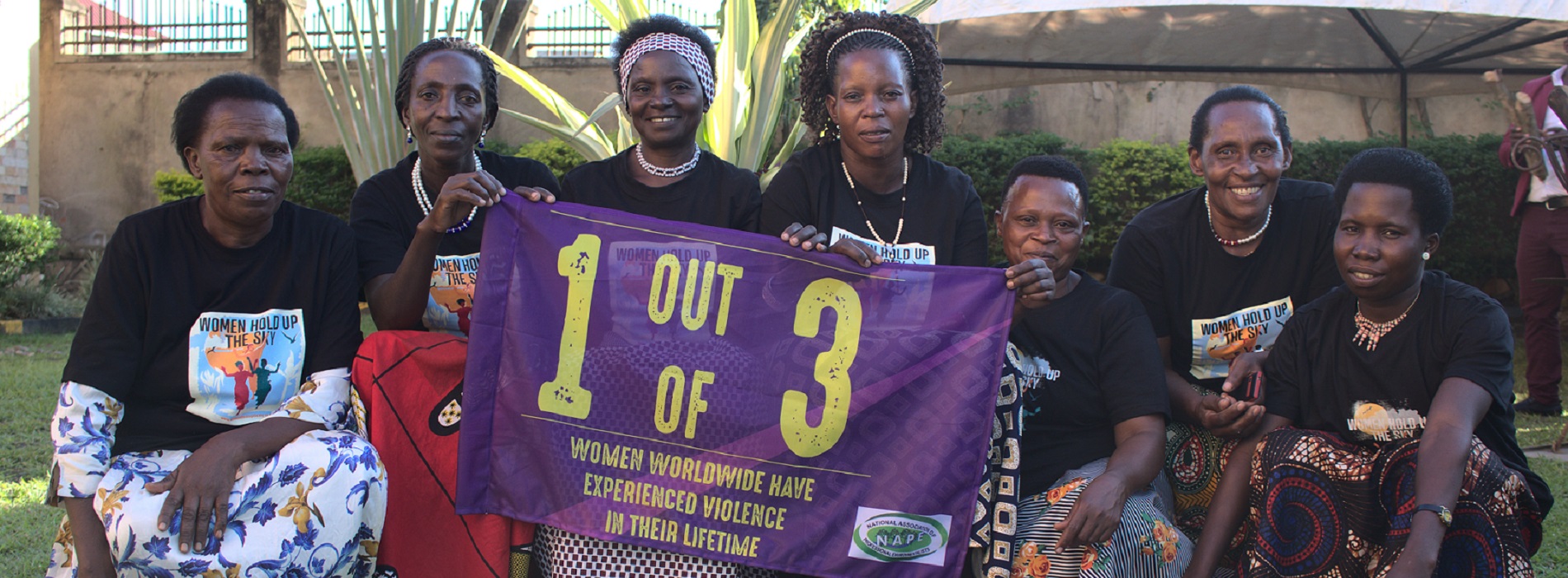
Women human rights defenders in Kigaaga, Uganda participate in 16 Days

Ending violence against women and girls.

Violence against women and girls is a human rights violation. It is a global issue – it occurs in every country and is caused and supported by patriarchy and gender inequality. Violence is often intensified during crisis or conflict.

What is violence against women and girls?

Women experience forms of violence throughout their lifetime – from domestic abuse to sexual assault, female genital mutilation, and child, early and forced marriage. Violence against women and girls includes psychological, emotional and physical abuse. Women experience violence at home, in the street, at school, in the workplace, during times of peace and conflict and crises. It happens online and offline. In most cases the abuser is known to the woman, whether it’s an intimate partner or a family member. However, women also experience violence from other members of their community and wider society, including the state and those meant to protect them.

No single factor alone causes violence against women and girls.

All women are at risk of violence regardless of social background, position and identity. But the violence women and girls experience isn’t only based on their gender. Every woman’s experience of discrimination and violence is different and is shaped by many different factors. Many women face intersecting form of discrimination based on  race, age, sexual orientation, disability, ethnicity, caste, etc. For example, women and girls with disabilities are 2 to 4 times more likely to experience intimate partner violence than women without disabilities.
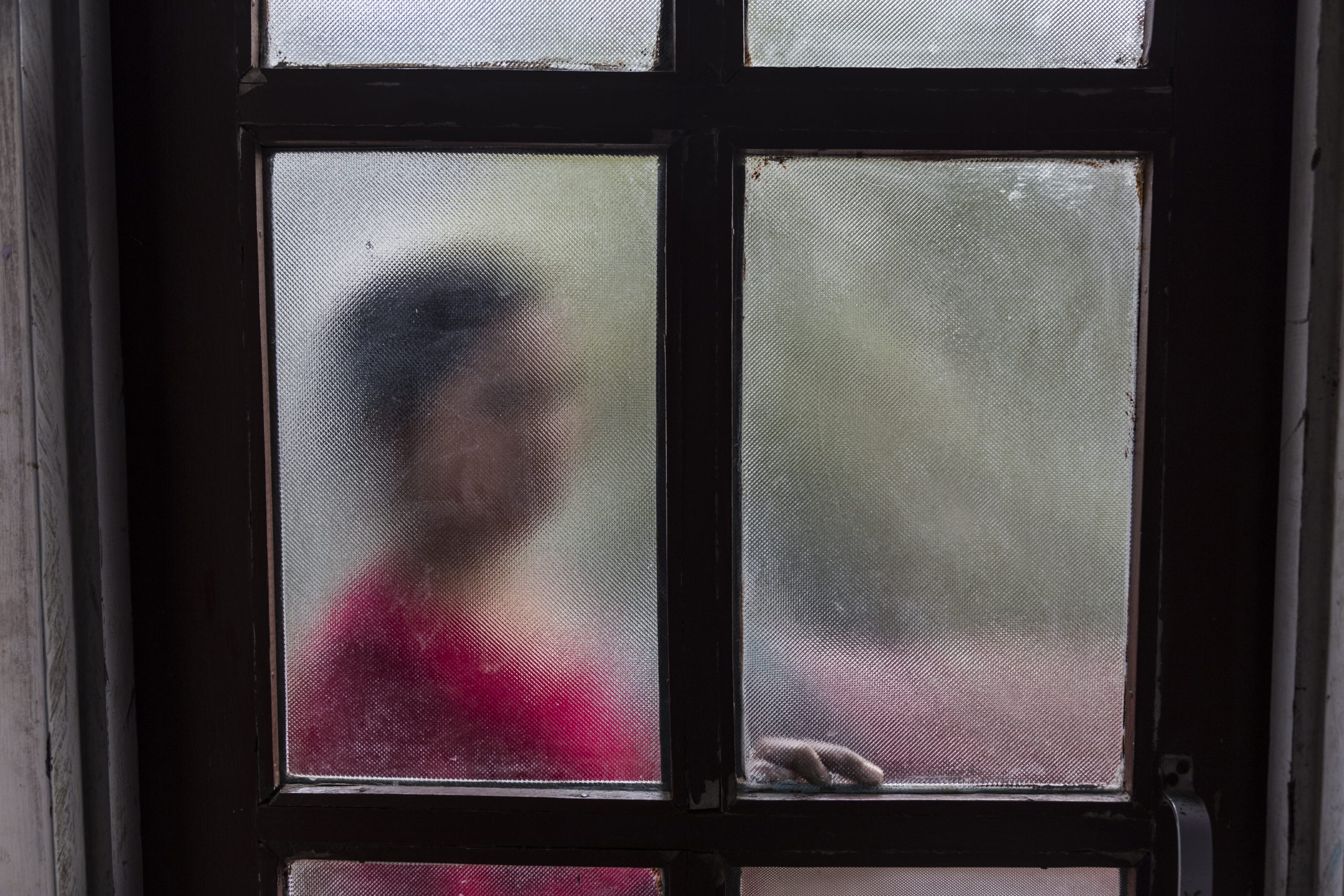
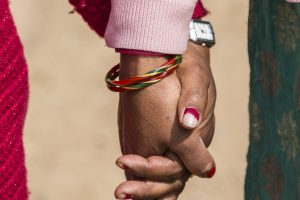
Nisha* was abused by her husband and left home. She is being supported by Saathi to rebuild her life. Photo credit: Sajana Shreshta for Womankind Worldwide.

Why does violence against women and girls happen?

The subordination of women by men is a means of control and power and often executed through acts of violence. Violence is caused by a combination of factors: gender inequality at the national level – in education, access to employment, economic and property rights, freedom to marry and divorce – predicts higher levels of partner violence, as does settings where male authority over women’s behaviour is considered normal and where violence against women was widely seen to be acceptable.

While men may also experience violence because of their gender, it is not systemic in the same way. The size and the severity of the problem places violence against women and girls on an entirely different scale.

Supporting women who have experienced violence

Women have the right to live their lives free from violence. That’s why we’re working with women’s rights organisations and movements to put an end to violence against women and girls.

Together, we’re:

  • Challenging negative social norms and gender stereotypes which allow violence to happen.
  • Working with governments to hold them to account for their human rights obligations.
  • Supporting women to understand and claim their rights.
  • Encouraging women to take on leadership positions.
  • Supporting partners to provide shelters, legal services and access to justice.

Women's voices

“I am deaf but I can do this on my own”
Magret ’s story