Creating community for disabled women in Kenya
By Womankind Worldwide
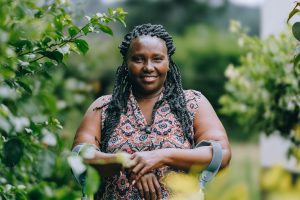
Lucy is a 48-year-old woman from Meru County in Kenya. She dreams of “a society where attitudes have changed, where people see women and girls with disabilities as assets, not liabilities. Where women with disabilities are valued.”
But disabled women in Lucy’s community continue to face challenges and stigma. While the Kenyan Constitution expressly provides the national legal framework for an inclusive society, in reality, there has been limited progress in promoting and protecting the rights of women with disabilities. They continue to face significant barriers in accessing education, healthcare, employment, and political representation. Their lived experiences are further compounded by gender-based violence, discrimination, and exclusion from decision-making processes.
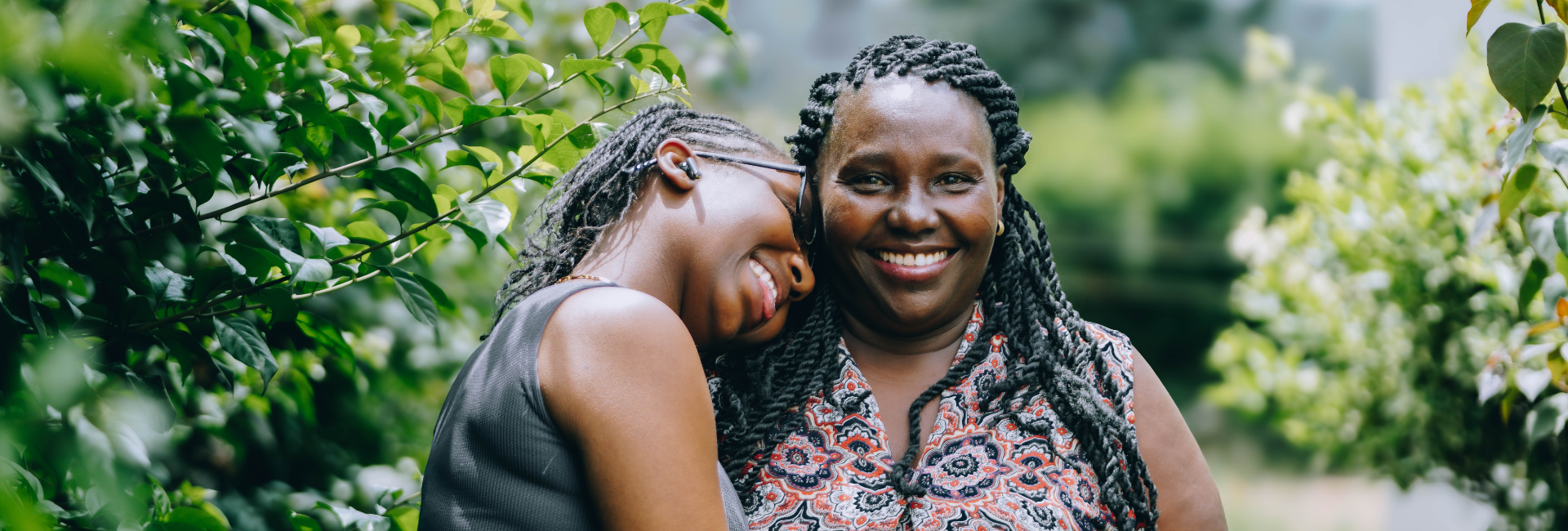
Every day, Women Challenged to Challenge (WCC), a feminist organisation, are working towards creating a better society for disabled women and girls through bringing them together across 35 counties in Kenya.
Their work is anchored in four pillars: the elimination of all form of violence, sexual and reproductive health, governance and leadership and economic empowerment
In 2024, WCC became one of 24 Womankind partners across Africa and South Asia to be part of our Strategic Partner Support Grant pilot. Grants through the pilot provide completely flexible funding to historically excluded and marginalised groups so that they can work flexibly and strategically according to their needs and local contexts.
How WCC is using their strategic grant
With their grant, WCC funded a range of crucial areas of their work, from policy work to core infrastructure, from events to international advocacy spaces.
Firstly, WCC developed and submitted a parallel report to the Convention on the Elimination of All Forms of Discrimination against Women (CEDAW), which contributed to the regional review process. The report was shared with UN Women and also presented at the Global Disability Summit held in Germany in April 2025.
They also held two awareness-raising events:
- Wheelchair Day, focused on promoting physical accessibility, organized by the Association for the Physically Disabled of Kenya (APDK)
- a fashion show organised by young women featuring models using prostheses, aimed at promoting inclusion and self-expression.
The strategic grant also funded two WCC staff members to participate in the Beijing +30 Africa Regional Meeting held in Addis Ababa, Ethiopia. This ensured that the voices and concerns of women with disabilities were represented in the forum. WCC also hosted their Annual General Meeting, where their grant covered accommodation costs for members traveling from outside Nairobi.
Finally, WCC constructed essential infrastructure using the funds, including a boardroom, kitchen, and storage facility, significantly enhancing WCC’s operational capacity and member engagement.
Why flexible funding matters for disabled women’s rights
WCC told us that due to limited funding, they’re “unable to fully meet its commitment to empowering women with disabilities.”
Womankind created Strategic Partner Support Grants to provide flexible and sustainable support for our partner’s work and make room for opportunities for exchange, learning and influencing. These grants enable partners to work flexibly and strategically according to the needs of their local context and the individuals and communities they serve, without project-based restrictions or the burden of onerous application or reporting requirements.
“A flexible grant like this makes a significant difference to our organisation and the communities we serve. Unlike restricted funding, which limits how funds can be used, flexible funding allows us to respond to emerging needs, seize unexpected opportunities, and invest in areas that strengthen our long-term impact. It empowers us to prioritise what matters most—whether that’s capacity building, community outreach, advocacy, or addressing urgent issues as they arise.” – WCC
A year into their Strategic Grant, the flexibility of the funding has made space for WCC to respond to what women need and continue making their crucial impact in their community.
“For the women and communities, we work with, this flexibility translates into more inclusive, timely, and relevant support. It enables us to adapt our programmes to their real-life circumstances and needs, rather than trying to fit those needs into pre-set funding boxes. Ultimately, it helps us build trust, deepen engagement, and drive meaningful change.”