From Nairobi to Kabul: No safe space for women everywhere!
By Jill Anami
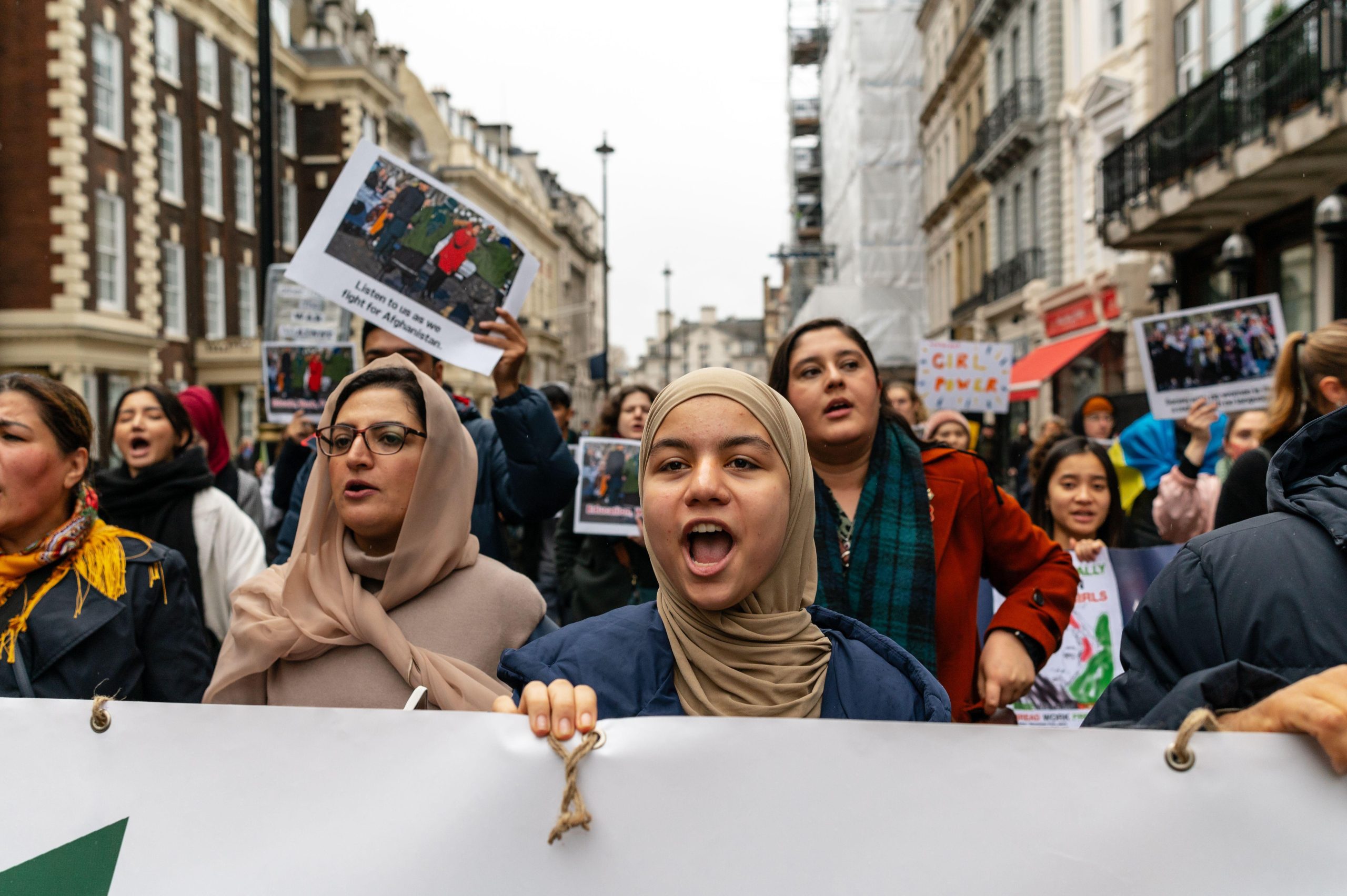
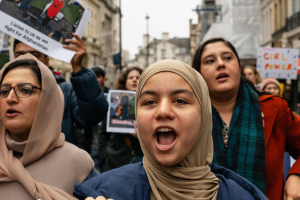
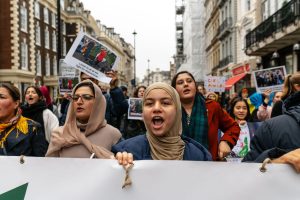
Globally, women and girls continue to rise, both in the streets and online, demanding justice, accountability, and autonomy. But as the protests and call for change persists, women and girls face an additional layer of threatened violence that is often targeted, gendered, and sanctioned by the very systems mandated to protect them.
”Across regions around the world, the use of violence against women and girls in all their diversities, is increasing. It has been used as a tool to silence their voices and stifle their agency, particularly during times of political instability, economic crisis, conflict, displacement and rising authoritarianism. And, in response to feminist organising and resistance.”
The Global Struggle for Gendered Justice and Safety
In Womankind’s partner countries (Afghanistan, Ethiopia, Kenya, Nepal, Uganda and Zimbabwe), feminist movements are resisting violence that is both state-sanctioned and socially normalised, even as the risks grow. In Kenya for instance, the recent ‘Gen-Z’ protests have been met with escalating police violence, with women protesters facing increased assaults and harassment. These brutal acts not only violate their right to protest but also serve to suppress collective action for justice, silencing the very voices demanding change. According to the Kenya National Commission on Human Rights (KNCHR), reports from the June 2025 protests indicate eight fatalities, and over four hundred casualties, underscoring the deadly toll of state-sanctioned violence on peaceful demonstrations.
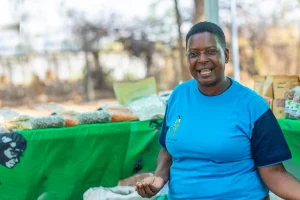
Similarly, in Zimbabwe, feminist movements are also confronting violence and repression from both state forces and societal structures, with crackdowns on women-led civic groups, widespread arrests, and increased surveillance. These actions are part of a broader strategy to suppress women’s voices and movements advocating for gender justice and equality. Womankind partner, Women and Land in Zimbabwe further highlights that these repressive tactics are particularly threatened by patriarchal, gender-blind institutions and policies, compounded by politically controlled spaces that restrict freedom of expression and hinder activism against corruption.
The Global Pattern of Silencing
In Nepal and Uganda, feminist activists and women journalists face increasing cyber harassment, digital repression, and surveillance, particularly under restrictive laws. In both countries, online spaces have become battlegrounds where women’s voices are silenced, with state authorities using technology to monitor, intimidate, and threaten those advocating for gender equality and justice. These digital tactics not only curb free expression but also contribute to a wider environment of fear and self-censorship, severely hindering the ability of women to mobilize and speak out.
Womankind’s policy brief, Disrupting the Continuum of Violence: Combatting Technology-Facilitated Gender-Based Violence, emphasizes that Technology-Facilitated Gender Based Violence (TFGBV) is not only used to attack the character and legitimacy of women. It also perpetuates harmful gendered stereotypes and undermines their participation in public and political life. Further, it highlights how the digital sphere often acts as a precursor, escalating violent behaviours that can lead to fatal outcomes for women. As a result, some women have resorted to avoiding digital platforms entirely for their safety, while others have been forced to abandon their activism and careers due to the relentless abuse they face online.
Additionally, in Afghanistan and Ethiopia, gender-based violence in conflict and post-conflict settings continues to escalate, with women human rights defenders being specifically targeted for their activism. These systemic acts of violence not only violate fundamental human rights but also aim to silence women’s voices and prevent their active participation in shaping the future of their societies. Maryam Rahmani, Womankind Worldwide Advisor, Afghanistan, affirms that “Since the Taliban’s return to power, Afghan women have faced increasing violence and harsh restrictions, with little or no access to justice or protection. Women human rights defenders are being targeted and silenced simply for raising their voices and demanding the most basic of rights.’’
These recurring scenarios reflect a global trend in the increasing use of violence, both physical and digital, used to silence women and girls who challenge power and demand justice.
A Feminist Collective Resistance and Action
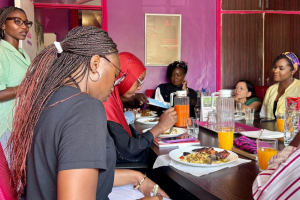
Through a feminist lens, the continued forms of violence against women and girls whether physical, digital, or systemic, are not isolated incidents but part of a continuum that stretches across both private and public spaces. They reflect deeper structural inequalities shaped by patriarchal systems, that are sustained through silencing the voices and agency of women and girls in all their diversities across the world. In light of this, Womankind, together with partners in its focus countries, continues to centre feminist and decolonial principles, supporting women’s rights organisations to challenge unequal power structures, and advocating for long-term, transformative change. We continue to strengthen and facilitate the feminist collective action and cross movement solidarity, in line with Womankind’s 2030 strategy while amplifying their representation, visibility and leadership power. In doing so, we call on all actors committed to gender justice to prioritise feminist, locally led approaches that are grounded in the lived realities and centre the leadership of women and girls.
”The patterns of violence we see today, from Nairobi to Kabul are not new. Yet women and girls around the world continue to resist, organise, and reimagine a more just future. As Womankind, we recognise that dismantling systemic violence requires collective action, bold leadership, and unwavering solidarity. This is working towards a world where all women and girls in all their diversities can live free from all forms of violence.”