Responding to COVID-19: Advocating for women with disabilities in Kenya
By Jane Kihungi, Coordinator at Women Challenged to Challenge
In this series we speak to our partners about the challenges COVID-19 have presented to them and women in their communities and the difference the Womankind COVID-19 Resilience Grants will make. In this piece Jane from Women Challenged to Challenge (WCC) speaks about the realities for women with disabilities in Kenya.
“Coronavirus has come at a time when no one was prepared, what was thought to be a common flu has scared the whole world. Different protective measures and guidelines have been put in place by the Kenya government. This includes social distancing, washing/sanitizing our hands more frequently and minimising our movements. As days went by the government has called for lockdown calling for people to work from homes and these has impacted on people differently.
Women with disabilities who have been victims of social isolation and exclusion are suffering more. Home is not always safe for women and girls with disabilities due to their vulnerability to abuse, studies have shown family members are often the perpetrators. A number of cases of violence have been brought to our attention and we have been able to intervene.
Economic uncertainty, rising anxiety
Due to lack of formal employment the majority of women with disabilities are in the informal sector operating small businesses to keep themselves and their families alive. Others are beggars in the streets of Nairobi. They have found themselves in a situation full of many unanswered questions, leading to anxiety. When you have one disability and you have no food to feed your families with, you are likely to develop mental health difficulties which, when not addressed, can lead to loss of life.
Closing the information gap
When The Ministry of Health started issuing public guidelines on how to protect one self, they did not have strategies to ensure the information was reaching everyone. For instance there was neither sign language interpreters nor running captions for the deaf community. WCC joined hands with other disability rights organisations to lobby for provision of sign language when issuing any announcement in relation to COVID 19.
We are checking on women through telephone calls to hear what they are going through as they keep social distance. One deaf women told us that she is not able to get updates as she is unable to meet with those who have access to television, newspapers, radios or the internet through which she gets information like she used to. Getting information through social gatherings is very common for people with disabilities and in particular deaf people because at home family members do not know sign language.
Vital supplies for women with disabilities
The Government of Kenya has a programme for cash transfer for people with severe disabilities. Plans are under way to expand the number of people with disabilities [eligible] to benefit from cash transfers. WCC has been engaging the ministry to see how they can reach out to those whose source of income has been affected and has given out a list of women with disabilities.
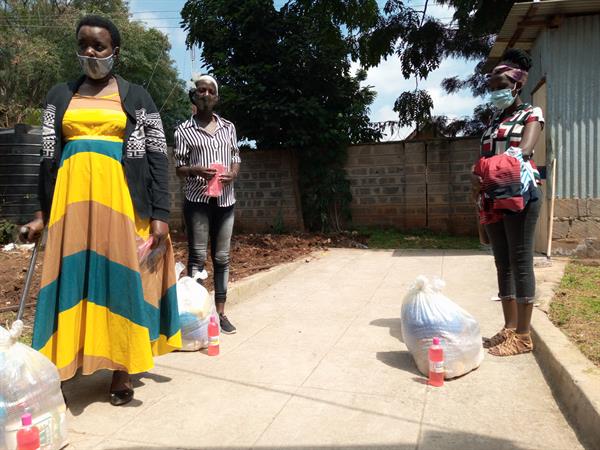
The resilience fund from Womankind Worldwide will go a long way to buying food supplies to reach more women and girls with disabilities and their caregivers. The staff of WCC contributes to the National Hospital Insurance Fund like every other Kenyan. Currently the insurance fund is overwhelmed and they are not able to cater for hospital bills if one [staff member] is admitted due to Coronavirus. We also plan to use the resilience fund to buy medical cover for 6 full time staff in case one is admitted in the hospital during this COVID 19 era.”