Decolonising climate financing by advancing rapid and flexible funding
By Kalie Weninger
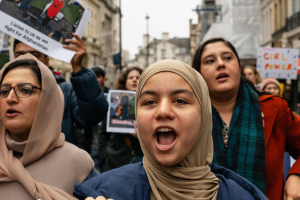
As world leaders, climate action activists and organisations convene in Baku, Azerbaijan this year for COP29, it’s an avid reminder that climate change is a feminist issue and directly linked to the rights of women and girls.
Issues of climate change and gender intersect in a multitude of complex ways. The climate crisis has exacerbated many of the existing inequalities faced by women and girls, particularly those in the Global South countries.
It is well documented that the negative impacts of climate change have- and will continue to- disproportionately affect women and girls, despite their actions contributing less to climate change than that of men’s. This increased vulnerability to climate change is generally linked to issues of poverty and social inequality, less access to education, restrictions to land ownership and an increased reliance on agriculture for survival.
Women and girls continue to pay dearly for the climate crisis
”However, despite their heightened vulnerability to the effects of climate change, women are not passive victims to these forces; they are agents of change, building and leading the movements that will create a more just environment. ”
Women are significantly more likely than men to engage in climate justice issues and have a long history of doing so. From climate justice leaders like the mother of Kenya’s Greenbelt Movement, Nobel Peace Prize winner Wangari Maathai, to young activists Vanessa Nakate and Greta Thunberg, women are at the forefront of this issue.
Regrettably, women’s voices are far from receiving equal representation at COP29, with women making up only 10 per cent of the world leaders represented. At COP28, that figure was 11 per cent; and even worse, only 2 per cent of the delegations in attendance had a gender balance in their COP representation.
The power of rapid flexible funding in climate financing
”Many of Womankind’s partners are on the frontlines of the fight for climate justice: raising awareness, advocating for change and working with women rightsholders in the aftermath of climate disasters.”
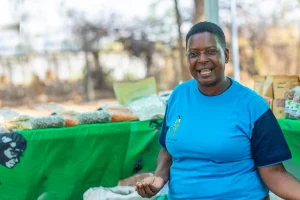
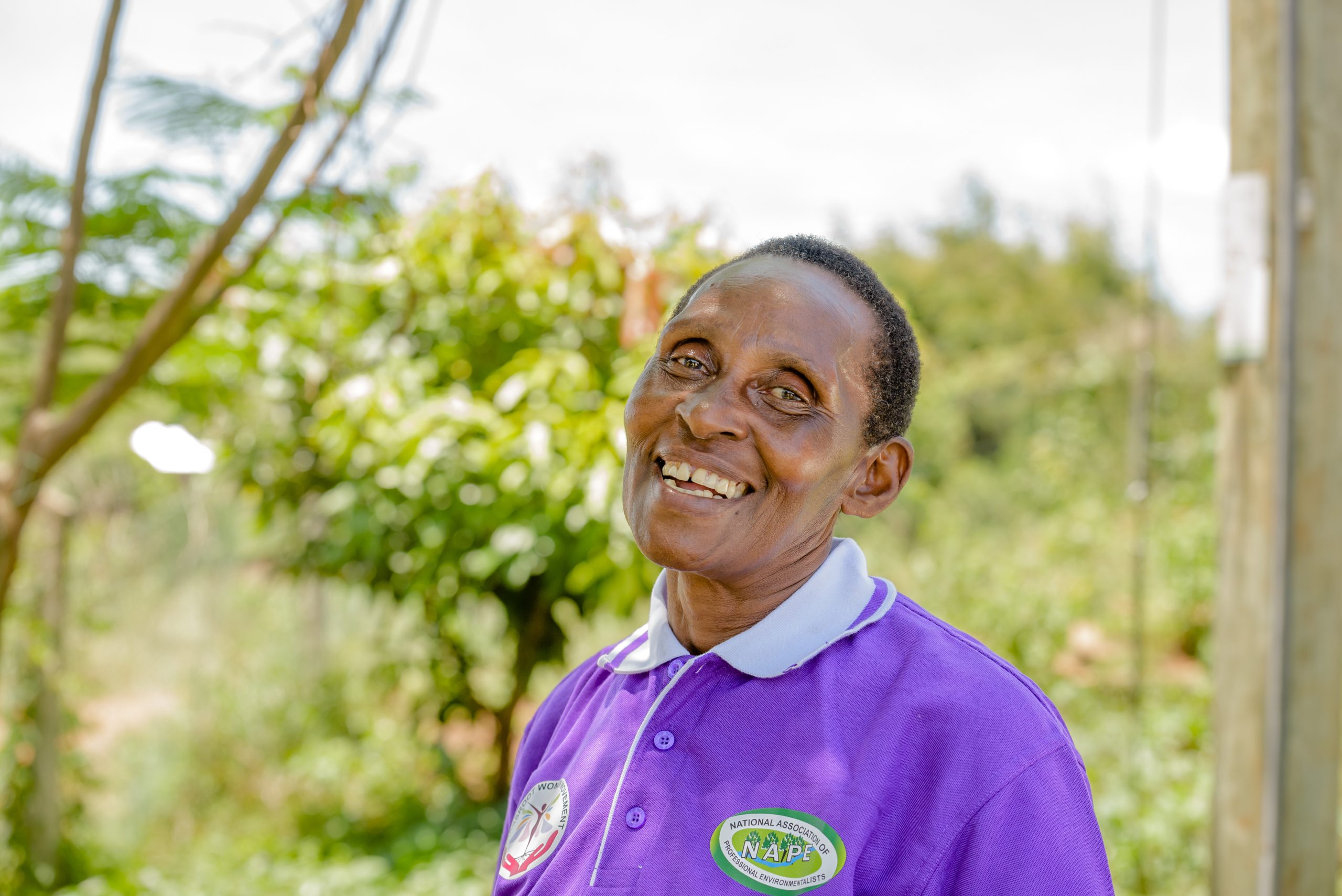
Partner organisations like the National Association of Professional Environmentalists (NAPE) and National Association for Women’s Action in Development (NAWAD) who are building coalitions to fight compulsory land seizures in Uganda. And those like Young Women’s Leadership Institute (YWLI) and the ICA Foundation saw firsthand how women, especially those from marginalised backgrounds, were disproportionately impacted by climate disasters following the devastating floods in Kenya this year.
The work of these organisations is essential, yet they remain drastically under resourced, with less than 1 per cent of philanthropic funding globally focused on gender-just climate work.
COP29’s theme this year focusses on climate finance and it’s crucial that global leaders, philanthropists and other stakeholders fund women-led climate initiatives. They must equally recognise that rapid and flexible funding is critical in climate finance, giving grassroots organisations the autonomy and choice to respond swiftly to emergencies brought on by the climate crisis. This is moving away from the colonial traditional funding with fixed timelines and complex reporting processes required for many rightsholder organisations in the Global South.
In order to truly build a more just climate movement, and achieve the goals set out by COP, we must ensure not only that the voices of women are heard, but that they are given the resources to turn that voice into action.